
Treatment Overview
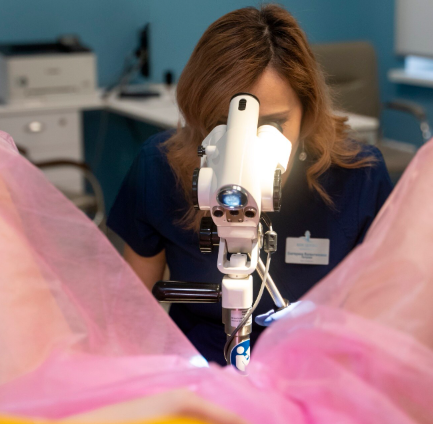
The Endoscopic Vaginal Uterus Removal Surgery in Korea is a highly advanced minimally invasive procedure that removes the uterus through the vaginal canal using endoscopic guidance. This approach eliminates the need for abdominal incisions, ensuring minimal scarring, reduced pain, and a faster recovery.
Korea is a pioneer in combining vaginal surgery techniques with the latest endoscopic technology, offering exceptional precision, safety, and patient satisfaction. Hospitals use high-definition endoscopic systems, enhanced lighting, and specialized surgical instruments to optimize outcomes, making Korea one of the top destinations for this procedure.
Purpose & Benefits
Purpose:
- Provide a minimally invasive uterus removal option without external incisions
- Treat benign and select malignant uterine conditions
- Minimize recovery time and postoperative discomfort
Benefits:
- No visible abdominal scars
- Reduced postoperative pain and faster recovery
- Shorter hospital stay (often 1–2 days)
- Lower risk of infection and adhesion formation
- Enhanced patient satisfaction due to minimal invasiveness
- Preservation of pelvic floor function when applicable
Ideal Candidates
EVURS is suitable for women who:
- Require uterus removal for conditions such as fibroids, adenomyosis, prolapse, or select malignancies
- Prefer a scarless surgical option
- Are in good overall health and suitable for vaginal surgery
- Have no significant pelvic adhesions or complicating conditions that would contraindicate vaginal access
Candidates undergo thorough preoperative assessments including pelvic imaging, lab work, and surgical consultations.
Possible Risks & Complications
Although EVURS is considered safe and effective, possible risks include:
- Minor bleeding or infection
- Injury to surrounding pelvic structures (bladder, bowel, ureters)
- Anesthesia-related complications
- Temporary urinary or bowel dysfunction
- Rare pelvic floor weakness or prolapse
Korean hospitals minimize risks with advanced endoscopic guidance and meticulous surgical planning.
Surgical Techniques Used
Korean surgeons integrate advanced methods for EVURS:
- High-Definition Endoscopy: Provides clear visualization of pelvic structures.
- Fluorescence-Guided Surgery: Improves identification of critical structures.
- Advanced Energy Devices: Ensure safe tissue dissection and hemostasis.
- Minimally Invasive Vaginal Access: Eliminates abdominal incisions for faster recovery.
- Robotic-Assisted Vaginal Surgery (when indicated): Enhances precision in complex cases.
These technologies ensure safety, precision, and excellent aesthetic outcomes.
Recovery & Aftercare
EVURS offers one of the fastest recoveries among hysterectomy procedures. Hospital stays generally last 1–2 days, with most patients resuming light activities within a week.
Postoperative care includes:
- Pain management and wound care
- Avoiding heavy lifting or strenuous activity for 4–6 weeks
- Routine follow-up visits
- Pelvic floor rehabilitation when indicated
- Lifestyle and dietary guidance to enhance recovery
Korean hospitals often provide comprehensive aftercare packages to optimize healing and long-term results.
Results & Longevity
EVURS delivers durable benefits:
- Complete removal of the uterus with minimal trauma
- Rapid recovery and minimal discomfort
- No visible scarring
- Preservation of pelvic floor function
- Reduced risk of adhesions
- High patient satisfaction and quality of life improvement
Korean surgeons focus on combining technical excellence with holistic recovery to ensure lasting outcomes.
Treatment Process in Korea
The EVURS program in Korea follows a structured pathway:
- Comprehensive Preoperative Assessment: Pelvic imaging, lab work, and consultation.
- Surgical Planning: Customized to patient anatomy and condition.
- Endoscopic Vaginal Surgery: Performed with high-definition endoscopic guidance and specialized instruments.
- Postoperative Recovery: Includes pain management, pelvic floor physiotherapy, nutritional counseling, and follow-up care.
Korean hospitals provide multilingual support, luxury recovery suites, and internationally accredited standards of care, making Korea a preferred destination for EVURS.
Cost Range
The cost of Endoscopic Vaginal Uterus Removal Surgery in Korea generally ranges from USD 7,000 to 13,000, depending on:
- Complexity of the case
- Hospital and surgeon reputation
- Type of endoscopic technology used
- Extent of postoperative care and rehabilitation services
This cost generally includes preoperative assessment, surgery, anesthesia, hospitalization, and follow-up care.
Popular Clinics
- Severance Hospital (Yonsei University Health System, Seoul): Known for advanced endoscopic vaginal procedures.
- Samsung Medical Center (Seoul): Pioneers in integrating endoscopy with vaginal hysterectomy for optimal outcomes.
- Asan Medical Center (Seoul): Offers customized endoscopic vaginal uterus removal with holistic recovery programs.
- CHA Gangnam Medical Center: Specializes in minimally invasive vaginal gynecologic surgery.
- Ewha Womans University Medical Center: Provides patient-centered care with advanced endoscopic techniques.


