
Treatment Overview
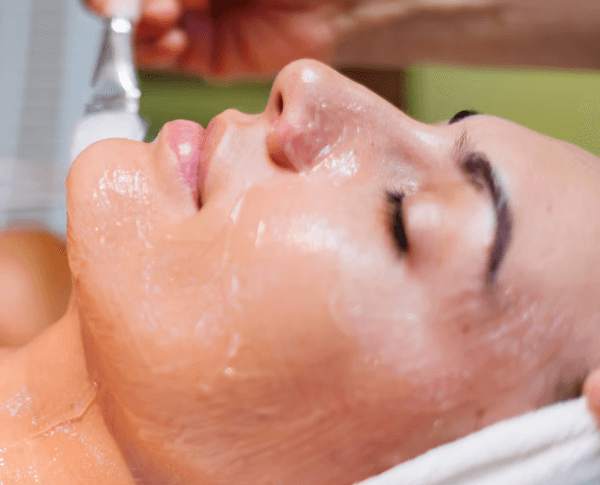
An Enzyme Peel in Korea is a gentle yet highly effective exfoliation treatment that uses natural fruit-based enzymes to dissolve dead skin cells, unclog pores, and brighten the complexion. Unlike chemical peels that rely on acids, enzyme peels use biological enzymes derived from fruits such as papaya, pineapple, and pumpkin. These enzymes work by breaking down the keratin protein in dead skin cells, leaving the skin smoother, more hydrated, and visibly brighter. Korean dermatology clinics specialize in advanced enzyme peel techniques, often combining them with hydration therapy, LED light therapy, or laser toning for enhanced whitening and rejuvenation results.
Purpose & Benefits
The main goal of an enzyme peel is to provide non-irritating, natural exfoliation with minimal downtime. Key benefits include:
- Gentle removal of dead skin cells without harsh acids.
- Brighter, more radiant skin tone.
- Reduction of clogged pores and blackheads.
- Improvement of skin hydration and softness.
- Safe for sensitive and acne-prone skin types.
- Boosted effectiveness of subsequent skincare treatments.
Ideal Candidates
Enzyme peels are suitable for a wide range of individuals, particularly those who:
- Have sensitive or reactive skin that cannot tolerate strong chemical peels.
- Struggle with dull skin, uneven tone, or mild pigmentation.
- Experience mild acne or congested pores.
- Want a natural, plant-based exfoliation option.
- Seek a quick refresh with little to no downtime.
Possible Risks & Complications
Enzyme peels are considered one of the safest peeling options, but some minor side effects may occur, such as:
- Temporary redness or mild tingling during the procedure.
- Slight peeling or dryness in the days following treatment.
- Rare allergic reactions depending on fruit enzyme sensitivity.
- Increased sensitivity to sun exposure if aftercare is neglected.
Surgical Techniques Used
Although not surgical, enzyme peels involve a precision-based dermatological process:
- Application of enzyme-rich solutions (often papain, bromelain, or pumpkin enzymes).
- Korean dermatologists frequently enhance peels with nano-infusion methods that allow deeper penetration of nutrients.
- Some clinics combine enzyme peels with oxygen therapy or vitamin infusions for added whitening and rejuvenation.
This approach makes enzyme peels in Korea more advanced and results-driven than standard spa treatments found elsewhere.
Recovery & Aftercare
Recovery is quick and comfortable, with minimal downtime compared to chemical peels. Aftercare typically includes:
- Regular use of sunscreen to prevent pigmentation.
- Gentle hydrating cleansers and moisturizers.
- Avoidance of exfoliating products for a week.
- Following the dermatologist’s skincare program for lasting results.
Results & Longevity
Patients notice results almost immediately: softer, brighter, and refreshed skin after just one session. For long-lasting results, dermatologists usually recommend a series of enzyme peels spaced 2–4 weeks apart. With ongoing treatments and proper skincare, improvements in texture, tone, and hydration can last for several months.
Treatment Process in Korea
Korea is considered a leading destination for enzyme peels due to its integration of traditional natural ingredients with cutting-edge dermatology technology. The process usually includes:
- Comprehensive skin analysis using digital scanning to customize enzyme strength.
- Application of medical-grade Korean enzyme formulas designed for whitening and hydration.
- Combination with treatments such as LED light therapy, aqua peel hydration, or skin boosters for enhanced results.
- Patient-focused aftercare programs that ensure long-term skin health.
What sets Korea apart is its multi-step approach—dermatologists don’t just apply the peel, but pair it with whitening serums, soothing masks, and advanced delivery techniques. This ensures maximum brightening effects with minimal irritation, making it highly attractive to medical tourists worldwide.
Cost Range
The cost of an Enzyme Peel in Korea is generally more affordable compared to deep chemical peels, but it depends on whether it is done as a standalone treatment or combined with other whitening therapies. On average:
- Single enzyme peel session: KRW 70,000 – KRW 150,000.
- Combination treatments (peel + LED/whitening infusion): KRW 200,000 – KRW 350,000.
- Customized package programs (4–6 sessions): KRW 500,000 – KRW 900,000.
Popular Clinics
Several leading clinics in Korea offer enzyme peel treatments as part of their whitening and anti-aging programs:
- Oracle Dermatology Clinics (nationwide) – specialized in multi-step enzyme peel programs.
- Banobagi Dermatology (Seoul) – offers natural enzyme peels combined with advanced whitening solutions.
- Regen Clinic (Seoul) – popular among medical tourists for gentle peel and hydration therapy.
- ID Hospital Dermatology Center (Seoul) – integrates enzyme peels with customized skin boosters.
- Wonjin Beauty Medical Group (Seoul) – renowned for natural and advanced skincare treatments.


