
Treatment Overview
Epi-LASEK in Korea is an advanced, flap-free laser eye surgery designed to correct myopia (nearsightedness), hyperopia (farsightedness), and astigmatism using a gentle, precise, and biologically safe approach. It is a refined form of LASEK (Laser-Assisted Sub-Epithelial Keratectomy) that employs a mechanical epithelial separator (epikeratome) instead of alcohol or chemicals to lift the corneal epithelium before performing AI-guided excimer laser ablation.
This innovation eliminates the potential tissue irritation caused by alcohol use in traditional LASEK, providing faster healing, reduced discomfort, and better preservation of epithelial cells. Korean ophthalmology centers are world leaders in AI-optimized Epi-LASEK, using wavefront-guided excimer lasers, 3D corneal topography, and biophotonic regenerative therapy to achieve natural, stable, and high-definition vision safely.
The result is clear, comfortable, and long-lasting vision correction, ideal for patients with thin corneas or sensitive eyes seeking a safe and effective alternative to LASIK.
Purpose & Benefits
Purpose
- Correct refractive errors (myopia, hyperopia, astigmatism) using a gentle, chemical-free laser method.
- Offer a flap-free, surface-based alternative to LASIK for thin or irregular corneas.
- Preserve corneal structure and reduce post-surgery dryness.
- Provide permanent, high-quality vision with minimal discomfort.
Benefits
- Alcohol-Free & Gentle: Uses an epikeratome instead of chemicals for epithelial separation.
- Flap-Free Safety: No flap creation, ensuring maximum corneal stability.
- Fast Healing: Reduced inflammation and faster epithelial regeneration.
- Enhanced Comfort: Minimal pain and less post-op irritation.
- High-Precision Correction: AI-guided lasers deliver personalized optical accuracy.
- Long-Term Stability: Permanent results with clear, natural vision.
Ideal Candidates
Epi-LASEK in Korea is ideal for:
- Adults aged 18 or older with stable prescriptions for at least one year.
- Patients with thin or sensitive corneas unsuitable for LASIK or SMILE.
- Individuals seeking flap-free, minimally invasive correction.
- People who play contact sports or have physically active lifestyles.
- Those looking for gentle, alcohol-free, and biologically safe vision correction.
Possible Risks & Complications
Epi-LASEK is extremely safe and minimally invasive. Mild and temporary side effects may include:
- Slight irritation or dryness during initial healing.
- Temporary blurriness or sensitivity to light.
- Mild glare or halos during early recovery.
- Rare under- or over-correction, which can be refined with enhancement.
Korean specialists minimize these effects using AI-calibrated laser mapping, oxygen-assisted healing, and PRF (Platelet-Rich Fibrin) regenerative therapy, ensuring rapid and comfortable recovery.
Techniques & Technology Used
Core Techniques
- Mechanical Epithelial Separation: Epikeratome gently lifts the epithelial layer without alcohol.
- AI-Calibrated Excimer Laser: Precisely reshapes the cornea for exact refractive correction.
- Wavefront-Guided Ablation: Corrects higher-order aberrations for superior clarity.
- Topography-Guided Optimization: Balances corneal curvature for smooth, even vision.
- Biophotonic Laser Regeneration Therapy: Enhances healing and collagen stimulation.
- Oxygen-Enhanced Cooling: Protects corneal cells during laser application.
These cutting-edge methods ensure a biologically gentle, precise, and fast-healing vision correction process.
Treatment Process in Korea
Step-by-Step Workflow
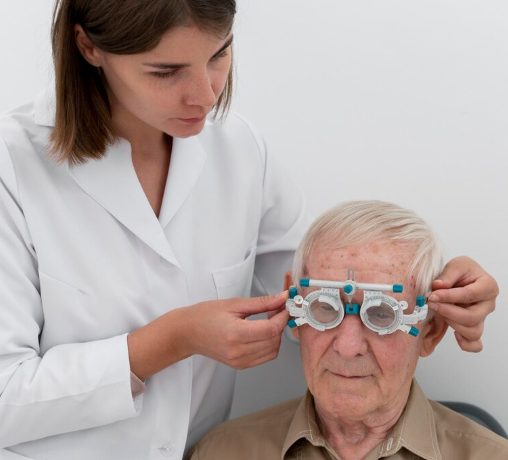
- Comprehensive Eye Evaluation: Includes corneal mapping, topography, and wavefront testing.
- Epithelial Separation: Epikeratome gently separates the epithelial layer without alcohol or chemical use.
- Laser Reshaping: AI-guided excimer laser sculpts the cornea to correct vision errors.
- Epithelial Repositioning: The epithelial layer is carefully placed back on the cornea.
- Protective Lens Application: A soft contact lens protects the cornea during healing.
- Post-Operative Care: Biophotonic therapy and eye drops accelerate recovery and comfort.
The procedure takes 15–20 minutes per eye, and patients usually notice clearer vision within 3–5 days.
Recovery & Aftercare
Aftercare Guidelines
- Use antibiotic and lubricating drops as prescribed.
- Avoid rubbing or touching the eyes for one week.
- Wear sunglasses outdoors to protect from UV rays.
- Avoid swimming, saunas, and strenuous activities for 1–2 weeks.
- Attend all scheduled follow-up visits to ensure proper healing.
Recovery Timeline
- 3–5 Days: Epithelial healing and early visual improvement.
- 1–2 Weeks: Vision sharpens and sensitivity subsides.
- 1–3 Months: Stable, long-term clarity achieved.
Results & Longevity
Expected Results
- Clear, high-definition vision without glasses or contact lenses.
- Minimal dryness and irritation post-surgery.
- Improved contrast and night vision.
- Natural, stable corneal curvature and comfort.
Longevity
Epi-LASEK provides permanent vision correction for most patients.
Korean clinics report success rates above 98%, with 20/20 or better vision achieved in most cases.
Results remain stable for 10–20 years or more, with routine eye care.
Why Korea Is a Top Destination
- Global Leaders in Epi-LASEK Innovation: Korea’s clinics use advanced AI and biologic healing technologies.
- Alcohol-Free, Flap-Free Safety: Ideal for patients requiring gentle corneal care.
- Biologic Regenerative Healing: Enhanced recovery through PRF and photonic therapy.
- AI Precision Systems: Personalized ablation for maximum accuracy.
- Affordable Excellence: 40–60% more cost-effective than Western clinics.
- Comprehensive International Care: Multilingual support and high patient satisfaction.
Korea’s combination of AI laser precision, epithelial preservation, and regenerative healing innovation makes it a global leader in Epi-LASEK eye surgery.
Unique Korean Methods & Technology
- AI-Guided Excimer Laser Systems
- Mechanical Alcohol-Free Epithelial Separation
- Wavefront & Topography-Guided Ablation
- 3D Corneal Mapping & Vision Simulation
- PRF (Platelet-Rich Fibrin) Healing Therapy
- Biophotonic Laser Recovery Enhancement
- Oxygen-Assisted Healing Systems
- AI Vision Tracking & Stability Monitoring
These innovations ensure accurate, biologically safe, and long-lasting visual outcomes.
Cost Range
| Treatment Package | Price (KRW) | Approx. USD | Inclusions |
|---|---|---|---|
| Standard Epi-LASEK | ₩2,000,000 – ₩3,000,000 | $1,480 – $2,220 | Alcohol-free correction + protective lens + aftercare |
| AI-Guided Custom Epi-LASEK | ₩3,200,000 – ₩4,500,000 | $2,370 – $3,330 | AI mapping + topography optimization + follow-ups |
| Premium Regenerative Vision Program | ₩5,000,000 – ₩6,800,000 | $3,700 – $5,030 | PRF healing + biophotonic therapy + lifetime monitoring |
Popular Clinics
- BGN Eye Clinic (Seoul): Specialists in Epi-LASEK and surface-based refractive surgery.
- B&VIIT Eye Center (Gangnam): Leaders in AI-calibrated laser correction and rapid recovery.
- Dream Eye Center (Myeongdong): Experts in gentle, alcohol-free LASEK for sensitive eyes.
- Olim Eye Clinic (Gangnam): Pioneers in biologic regeneration and corneal stability.
- Eyereum Eye Clinic (Apgujeong): Renowned for advanced Epi-LASEK and superior optical results.


