
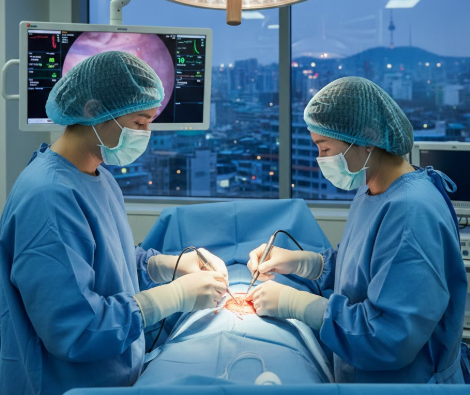
Treatment Overview
Epididymal cyst excision is a surgical procedure performed to remove cystic growths that develop in the epididymis — the coiled tube located behind the testicle responsible for sperm storage and transport. These cysts are usually benign and fluid-filled, known medically as epididymal cysts or spermatoceles, depending on their content. While many epididymal cysts remain harmless, some can grow in size, cause discomfort, or interfere with daily activities and reproductive health.
Korea is globally recognized for offering safe, precise, and minimally invasive epididymal cyst excision, backed by top-tier urologists, modern medical facilities, advanced imaging technology, and medical tourism support services.
Purpose & Benefits
The primary purpose of epididymal cyst excision is to remove the abnormal fluid-filled sac and restore normal function and comfort in the scrotum.
Key benefits include:
• Relief from chronic pain or soreness
• Removal of large or noticeable scrotal swelling
• Prevention of recurrent infections or cyst enlargement
• Low recurrence rate with microsurgical precision
• Improved comfort during physical activity
• Enhanced cosmetic appearance
• A definitive diagnosis through pathology
Korean hospitals utilize refined, tissue-preserving techniques that protect surrounding structures, making the procedure highly effective and safe.
Ideal Candidates
This procedure is suitable for individuals who:
• Have a symptomatic or enlarging epididymal cyst
• Experience discomfort, heaviness, or pain in the scrotum
• Have difficulty walking, exercising, or sitting due to swelling
• Develop recurring epididymal infections
• Have a cyst that affects fertility or causes sperm blockage
• Prefer removal for cosmetic or psychological comfort
• Want reliable treatment abroad with minimal wait times
Korea is especially convenient for international patients who want advanced medical care and efficient treatment schedules.
Possible Risks & Complications
Epididymal cyst excision is considered a safe surgery, especially in specialized Korean urology centers, but minor risks may include:
• Mild postoperative pain or swelling
• Bruising around the scrotum
• Temporary numbness or sensory changes
• Small scar at the incision site
• Rare infection due to improper wound care
• Hematoma (blood collection in the scrotum)
• Recurrence of the cyst (very rare with microsurgery)
• Risk of damage to epididymal tubules affecting fertility — minimized in Korea due to surgeon expertise
Korean hospitals maintain high surgical standards that significantly lower the overall complication rate.
Techniques & Technology Used
South Korea is known for advanced urological microsurgery, ensuring excellent outcomes in procedures involving delicate structures like the epididymis. Common techniques include:
• Microsurgical epididymal cyst excision
• Minimally invasive scrotal surgery
• Spermatocelectomy (for cysts filled with spermatic fluid)
• High-precision dissection using operating microscopes
• Ultrasound-guided planning for accurate cyst localization
• Absorbable sutures to reduce scarring
Korean hospitals use the latest imaging technologies such as high-frequency scrotal ultrasound, MRI, and digital magnification systems to ensure accurate diagnosis and surgical precision.
Treatment Process in Korea
International patients visiting Korea for epididymal cyst excision can expect an efficient and well-organized treatment journey.
Initial Consultation
A urologist evaluates symptoms, medical history, and examines the scrotum. Ultrasound imaging is typically performed on the same day.
Diagnostic Imaging
High-resolution ultrasound confirms the cyst’s size, structure, and location relative to the epididymis.
Surgical Planning
The surgeon explains the best approach, surgical steps, anesthesia options, recovery expectations, and possible outcomes.
Surgery Day
The procedure is performed under local or general anesthesia. A small incision is made in the scrotum, after which the cyst is carefully separated from the epididymal tissue and removed.
The surgery usually takes 30–60 minutes and prioritizes tissue preservation to protect fertility and testicular function.
Post-Surgery Monitoring
Patients are observed briefly and typically discharged the same day.
Follow-Up
Follow-up care is provided in person or via online video consultation, ideal for medical tourists with limited stay duration.
Recovery & After-Care
Recovery after epididymal cyst excision is usually smooth and quick.
Patients are advised to:
• Wear supportive underwear to reduce swelling
• Apply cold compresses for the first 48 hours
• Limit heavy physical activity for 1–2 weeks
• Keep the incision area clean and dry
• Take prescribed pain medications if needed
• Avoid sexual activity until the area has healed
• Follow postoperative guidelines provided by the clinic
Most patients return to normal activities within a few days, and complete healing typically occurs within 2–3 weeks. Korean clinics provide detailed after-care instructions to minimize complications and enhance healing.
Results & Longevity
Results are generally excellent, with immediate relief from discomfort and a significant improvement in scrotal appearance.
Most patients experience:
• Permanent removal of the cyst
• Reduced swelling and pressure
• Enhanced physical comfort
• Minimal scarring
• Low recurrence rates
• Peace of mind from pathology confirmation
As long as the cyst is fully removed, recurrence is uncommon, especially when Korean microsurgical techniques are used.
Why Korea Is a Top Destination
Korea has become a leading global destination for epididymal cyst excision due to:
• Highly skilled urologists specializing in microsurgery
• World-class hospitals equipped with cutting-edge technology
• Low complication and recurrence rates
• Quick scheduling and efficient treatment processes
• Personalized care for international patients
• Clean, modern, and patient-friendly medical environments
• Competitive costs compared to the U.S. and Europe
Korea’s medical tourism infrastructure — including airport pickup, translation services, hotel support, and streamlined scheduling — makes the treatment experience exceptionally smooth for medical travelers.
Cost Range
The cost of epididymal cyst excision in Korea varies based on cyst size, complexity, and the clinic chosen. Typical costs include:
• Simple epididymal cyst excision: $1,200 – $2,000
• Spermatocele excision: $1,500 – $3,000
• Complex or multiple cyst removal: $2,000 – $4,500
Costs usually cover consultation, ultrasound imaging, surgery, anesthesia, pathology, and basic follow-up care. Medical tourism packages may also include translation services and accommodation support.
Popular Clinics in Korea
• Seoul National University Hospital – Department of Urology
• Asan Medical Center – Urology Division
• Samsung Medical Center – Men’s Health Clinic
• Severance Hospital (Yonsei University) – Urology Department
• Wooridul Urology Clinic
• Hana Urology Clinic in Seoul
• Korea University Hospital – Andrology & Reproductive Center
These facilities are chosen for their advanced surgical capabilities, experienced microsurgeons, and high satisfaction rates among medical tourists.


