
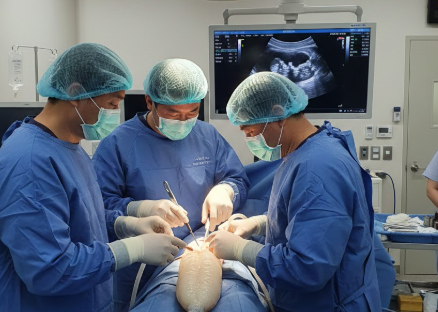
Treatment Overview
Epididymal Obstruction Treatment in Korea is a specialized procedure aimed at addressing blockages in the epididymis, which can prevent sperm from being transported from the testes. This condition is a common cause of male infertility and may occur due to infection, inflammation, congenital issues, or trauma.
Korean hospitals utilize advanced microsurgical and minimally invasive techniques, such as epididymal sperm aspiration, vasoepididymostomy, or epididymal reconstruction, to restore patency and improve fertility outcomes. International patients benefit from expert urologists, modern facilities, and comprehensive medical tourism support.
Purpose & Benefits
The primary purposes of epididymal obstruction treatment include restoring sperm flow, improving fertility, and relieving any discomfort caused by blockages.
Key benefits include:
- Restoration of sperm passage for natural conception
- Relief from scrotal discomfort or swelling if present
- Preservation of testicular function
- Use of microsurgical techniques to minimize tissue trauma
- High success rates for fertility improvement
- Minimally invasive options to reduce recovery time and scarring
- Accurate diagnosis of obstruction causes for personalized treatment
- Comprehensive care for both functional and reproductive outcomes
Korean hospitals combine precision surgery with fertility-focused techniques to optimize patient outcomes.
Ideal Candidates
Epididymal obstruction treatment in Korea is suitable for men who:
- Are diagnosed with partial or complete epididymal obstruction
- Have infertility issues due to blocked sperm transport
- Experience scrotal discomfort or swelling associated with obstruction
- Are seeking minimally invasive or microsurgical treatment
- Want to preserve fertility and testicular function
- Are international patients looking for advanced reproductive urology care
Candidates should undergo thorough preoperative evaluation including semen analysis, scrotal ultrasound, and hormonal profiling.
Possible Risks & Complications
While epididymal obstruction treatment is generally safe, potential risks include:
- Mild swelling, bruising, or tenderness at the surgical site
- Infection (rare due to Korea’s strict hygiene standards)
- Scar formation or adhesion in the epididymal region
- Rare failure to restore sperm flow
- Rare injury to the vas deferens, epididymis, or surrounding structures
- Reaction to anesthesia
Microsurgical expertise in Korea significantly reduces these risks and improves functional outcomes.
Techniques & Technology Used
Korean hospitals employ advanced techniques for epididymal obstruction treatment:
Microsurgical Epididymal Reconstruction
Using high-magnification microscopes, surgeons perform vasoepididymostomy or epididymal reconstruction to bypass or remove obstructions.
Epididymal Sperm Aspiration
Sperm can be aspirated directly from the epididymis for use in assisted reproductive technologies such as IVF or ICSI.
High-Resolution Imaging
Ultrasound and intraoperative imaging help identify blockages and guide precise microsurgical interventions.
Minimally Invasive Techniques
Small incisions and delicate handling minimize tissue trauma and scarring, ensuring faster recovery.
These techniques combine precision, safety, and fertility-focused outcomes.
Treatment Process in Korea
The treatment process for epididymal obstruction in Korea is highly structured and patient-friendly:
Consultation & Diagnostic Evaluation
A urologist evaluates fertility history, performs semen analysis, hormonal testing, and scrotal ultrasound to confirm obstruction.
Preoperative Preparation
Routine blood tests, anesthesia evaluation, and fertility counseling are conducted.
Surgical Procedure
Under general or local anesthesia, microsurgical techniques are employed to remove or bypass the obstruction. Sperm retrieval may also be performed if necessary. Surgery typically lasts 1–3 hours depending on complexity.
Postoperative Observation
Patients are monitored briefly for swelling, bleeding, or infection. Most can return home the same day or after an overnight stay.
Follow-Up
Follow-ups include semen analysis, ultrasound, and reproductive counseling to assess the success of sperm flow restoration. Telemedicine follow-ups are available for international patients.
Recovery & After-Care
Recovery after epididymal obstruction treatment is generally smooth but requires careful attention.
Recommended after-care includes:
- Wearing supportive underwear to reduce swelling and maintain scrotal support
- Keeping the surgical site clean and dry
- Taking prescribed antibiotics or pain medications as needed
- Avoiding heavy lifting, strenuous activity, and sexual activity for 2–4 weeks
- Monitoring for signs of infection such as redness, swelling, or discharge
Most patients can resume light activities within 3–5 days, with full recovery typically in 4–6 weeks. Fertility improvement may take several months to assess.
Results & Longevity
Epididymal obstruction treatment in Korea provides effective and long-lasting results for fertility restoration.
Expected outcomes include:
- Restoration of sperm flow for natural conception or assisted reproduction
- Preservation of testicular and epididymal function
- Minimal scarring due to microsurgical precision
- High success rates for fertility improvement when obstruction is corrected
- Accurate evaluation of underlying causes for personalized treatment
- Enhanced confidence and quality of life for patients
Korean hospitals’ combination of microsurgical expertise and advanced reproductive technology ensures optimal outcomes.
Why Korea Is a Top Destination
Korea is a leading destination for epididymal obstruction treatment due to:
- Highly skilled urologists and microsurgeons specialized in male infertility
- Advanced imaging and microsurgical technology
- High success rates for fertility restoration
- Low complication rates with modern surgical protocols
- Comprehensive international patient services including translators, transport, and coordinators
- Affordable, high-quality care compared to Western countries
- Thorough postoperative follow-up and reproductive counseling
Medical tourists choose Korea for precise, safe, and fertility-focused male reproductive treatments.
Cost Range
The cost of epididymal obstruction treatment in Korea varies depending on the technique and complexity:
- Microsurgical reconstruction or vasoepididymostomy: $5,000 – $8,500
- Epididymal sperm aspiration for IVF/ICSI: $3,000 – $6,000
Costs generally include consultation, imaging, anesthesia, surgery, medications, and follow-up care. Many hospitals provide medical tourism packages including accommodation and airport transfers.
Popular Clinics in Korea
Some of the top hospitals and clinics for epididymal obstruction treatment include:
- Seoul National University Hospital – Reproductive Urology & Andrology Department
- Asan Medical Center – Male Infertility Division
- Samsung Medical Center – Andrology & Microsurgery Clinic
- Severance Hospital (Yonsei University) – Urology & Male Fertility Center
- Wooridul Urology Clinic
- Hana Urology Clinic (Seoul)
- Korea University Hospital – Andrology & Reproductive Center
These facilities are renowned for advanced microsurgical care, fertility-focused treatment, and comprehensive international patient support.


