
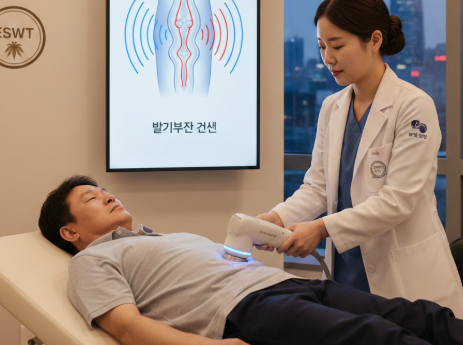
Treatment Overview
Extracorporeal Shockwave Therapy (ESWT) for low-flow erectile dysfunction (ED) is a non-invasive treatment offered in Korea to restore erectile function by improving penile blood flow. Low-flow ED, also known as vasculogenic ED, occurs when reduced arterial inflow limits the ability to achieve or maintain an erection. ESWT uses low-intensity shockwaves (Li-ESWT) to stimulate angiogenesis, enhance endothelial function, and promote tissue regeneration, addressing the underlying vascular cause rather than just the symptoms.
Korean urology clinics are renowned for delivering ESWT with advanced devices and personalized protocols for optimal results.
Purpose & Benefits
Purpose
- Restore erectile function by increasing penile arterial blood flow
- Stimulate formation of new blood vessels (angiogenesis)
- Improve tissue oxygenation and endothelial health
- Provide a non-surgical solution for men with low-flow ED
Benefits
- Non-invasive with minimal discomfort
- Improves erection quality, firmness, and sexual performance
- Reduces reliance on PDE5 inhibitors or other oral medications
- Supports long-term vascular and tissue health
- Quick, outpatient procedure with minimal downtime
- Safe with a low risk of side effects
Ideal Candidates
Who Should Consider ESWT
- Men diagnosed with low-flow (vasculogenic) ED
- Patients with mild to moderate ED who respond partially to medications
- Men seeking non-surgical, regenerative therapy for erectile function
- Individuals aiming for long-term improvement in erectile health
- Patients interested in reducing dependency on oral ED medications
Special Considerations
- Not suitable for men with severe anatomical deformities or neurogenic ED
- Patients with uncontrolled cardiovascular disease should seek medical evaluation
- Korean clinics perform thorough assessments including penile Doppler ultrasound and medical history review
Possible Risks & Complications
Common Risks
- Mild tingling or discomfort during shockwave therapy
- Temporary redness or swelling at the treatment site
- Rare minor bruising
Long-Term Risks
- Very low due to non-invasive nature of ESWT
- No evidence of permanent tissue damage
- Side effects are typically mild and temporary
Korean clinics follow strict safety protocols, sterile techniques, and monitoring to ensure patient safety.
Techniques & Technology Used
Treatment Approach
- Low-intensity shockwaves are applied to targeted penile areas to improve blood flow and endothelial function
- Standard treatment protocol involves 6–12 sessions over 3–6 weeks
- Each session lasts 20–30 minutes
- Therapy can be combined with PDE5 inhibitors, PRP therapy, or lifestyle interventions to enhance results
Technological Advantages
- High-precision ESWT devices with adjustable energy levels
- Real-time monitoring for patient comfort and safety
- Sterile, modern clinical environment
- Personalized treatment plans based on severity and patient health
- Continuous evaluation and adjustment for optimal outcomes
Treatment Process in Korea
Step 1: Consultation & Evaluation
- Review of medical history and ED assessment
- Physical examination and penile Doppler ultrasound to evaluate blood flow
- Discussion of therapy expectations, session schedule, and anticipated results
Step 2: Personalized Therapy Plan
- Determine the number of ESWT sessions based on severity of low-flow ED
- Integration with adjunct therapies such as PDE5 inhibitors, PRP, or lifestyle modifications
Step 3: ESWT Sessions
- Patient lies comfortably while focused shockwaves are applied
- Each session lasts 20–30 minutes
- Minimal discomfort, no anesthesia required
Step 4: Follow-Up
- Assessment of improvement in erectile function after therapy completion
- Adjustments to treatment plan if needed
- Long-term monitoring for sustained vascular health and erectile function
Korean clinics provide comprehensive support for international patients including translation, travel coordination, and appointment scheduling.
Recovery & After-Care
Recovery Timeline
- Minimal downtime; patients can resume normal activities immediately
- Mild tingling or soreness typically resolves quickly
- Sexual activity can generally resume within a few days, following physician guidance
After-Care Recommendations
- Maintain a healthy lifestyle including exercise, diet, and stress management
- Avoid smoking, excessive alcohol, and activities that impair vascular health
- Follow-up appointments to monitor progress and outcomes
- Combine therapy with counseling or sexual health coaching if desired
Results & Longevity
Expected Results
- Improved erectile function, firmness, and rigidity
- Enhanced penile blood flow and endothelial health
- Increased spontaneous erections and sexual confidence
- Reduced reliance on oral ED medications
- Long-term improvement in vascular health of penile tissue
Longevity
- Initial improvement often appears within 3–6 weeks
- Benefits can last 6–12 months or longer depending on lifestyle and health
- Periodic maintenance sessions may be recommended for sustained improvement
Why Korea Is a Top Destination
Advantages of ESWT for Low-Flow ED in Korea
- Highly skilled urologists specializing in vasculogenic ED
- Advanced ESWT devices with precise targeting
- Personalized treatment plans for optimal outcomes
- Non-invasive procedure with minimal side effects and downtime
- Transparent pricing and high patient satisfaction
- English-speaking staff and full support for international patients
- Integration with additional sexual health therapies for holistic care
Korea offers world-class medical expertise, cutting-edge technology, and patient-centered services, making it ideal for treating low-flow ED.
Cost Range
ESWT for low-flow ED in Korea generally costs:
- ₩800,000 – ₩2,500,000 KRW per 6–12 session course
(Approx. $600 – $2,000 USD)
Costs vary depending on clinic, number of sessions, and any additional diagnostics.
Popular Clinics in Korea
- Seoul National University Hospital – Urology & Male Sexual Health
- Asan Medical Center – Male Sexual Dysfunction Unit
- Samsung Medical Center – Andrology Department
- CHA Fertility & Male Health Center
- Severance Hospital – Yonsei University Urology Clinic
- MizMedi Hospital – Erectile Dysfunction & Andrology
- Gangnam W Hospital – Male Sexual Health Clinic
These clinics are recognized for expertise in ESWT for low-flow ED and high patient satisfaction.


