
Treatment Overview
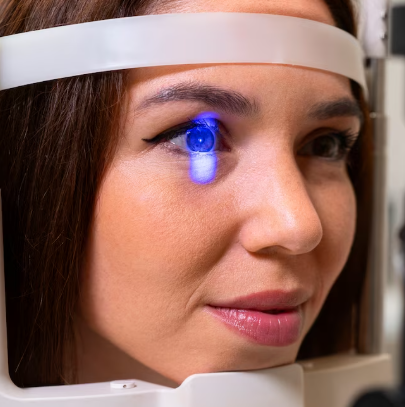
External Eye & Retina Imaging Diagnostics in Korea consists of advanced, non-invasive imaging technologies used to evaluate the surface of the eye, retina, optic nerve, and macula. These diagnostic tools play a critical role in early detection, staging, and monitoring of eye diseases such as diabetic retinopathy, macular degeneration, uveitis, glaucoma, retinal tears, and other pathologies.
Korea is globally recognized for its cutting-edge ophthalmic imaging systems, integrating:
- High-resolution Optical Coherence Tomography (OCT)
- Ultra-widefield retinal imaging (Optos)
- Fundus autofluorescence (FAF)
- Digital slit-lamp photography and anterior segment OCT
- Fluorescein & indocyanine green angiography
- AI-assisted retinal analysis for early disease prediction
- 3D macular mapping and progression tracking dashboards
These diagnostics provide detailed visualization of ocular structures, enabling early intervention, precision treatment planning, and improved long-term outcomes.
Purpose & Benefits
Purpose
- Detect early signs of retinal and external eye diseases
- Monitor progression of diabetic retinopathy and macular degeneration
- Evaluate corneal, conjunctival, and lens abnormalities
- Assess retinal layers and optic nerve health
- Guide treatment planning for laser, injections, or surgery
- Track postoperative or treatment-based improvements
- Provide accurate baseline data for long-term monitoring
Benefits
- Completely non-invasive and painless procedures
- Ultra-high-resolution imaging for precise diagnosis
- AI-enhanced analysis for early disease detection
- Widefield views allow detection of peripheral retinal lesions
- Immediate results for faster clinical decision-making
- Helps prevent vision loss through early intervention
- Compatible with all ages, including elderly and diabetic patients
Ideal Candidates
External Eye & Retina Imaging Diagnostics in Korea are recommended for:
- Patients with diabetes, hypertension, or vascular eye diseases
- Individuals with blurry vision, floaters, flashes, or visual distortion
- Patients suspected of glaucoma, AMD, or macular disorders
- Individuals undergoing cataract evaluation
- Postoperative patients needing follow-up monitoring
- Individuals with dry eye, corneal scars, or ocular surface issues
- Anyone above 40 requiring routine retinal health screening
Possible Risks & Complications
These imaging tests are extremely safe. However, potential minor issues may include:
Common/Minor Effects:
- Temporary light sensitivity (after bright flashes)
- Mild discomfort from bright lights
- Slight irritation from dilation drops (if used)
Rare/Serious Effects:
- Allergic reaction to dilation drops
- Allergic response to fluorescein/ICG dye (angiography only)
Korean specialists minimize risks through:
- Use of non-dilation imaging when possible
- Strict safety screening before dye angiography
- High-speed devices reducing light exposure
- Highly trained technicians and ophthalmologists
Related Diagnostic Techniques
- Optical Coherence Tomography (OCT) – Layer-by-layer macular & optic nerve imaging
- Fundus Photography – Color imaging of retina and optic nerve
- Ultra-Widefield Retinal Imaging – Peripheral retina evaluation
- Anterior Segment OCT – Cornea, iris, and angle imaging
- Fluorescein/ICG Angiography – Blood flow evaluation
- Autofluorescence Imaging – Detects retinal pigment changes
- OCT Angiography (OCTA) – Non-invasive vascular imaging
- Slit-Lamp Photography – External eye documentation
Diagnostic Process in Korea
Step 1 – Pre-Imaging Evaluation
- Patient history and symptom assessment
- Baseline visual acuity and IOP check
- Determination of required imaging tests
Step 2 – Image Acquisition
- Retinal imaging using OCT, fundus cameras, or widefield systems
- External eye imaging via slit lamp or anterior segment OCT
- Angiography performed if vascular evaluation is required
Step 3 – AI-Assisted Analysis
- Automated macular thickness mapping
- AI detection of drusen, retinal hemorrhages, or edema
- Glaucoma progression prediction models
Step 4 – Specialist Interpretation
- Ophthalmologist reviews detailed imaging layers
- Identification of abnormalities or early pathology
- Development of treatment plan (laser, injections, meds, surgery)
Step 5 – Follow-Up & Monitoring
- Imaging results stored in digital dashboards
- Serial comparisons at each follow-up
- Adjusted treatment based on progression
Duration: 10–30 minutes
Setting: Modern diagnostic imaging suite
Recovery & After-Care
After-Care Guidelines
- Mild light sensitivity may occur after dilation—wear sunglasses
- Avoid rubbing eyes after angiography
- Follow specialist recommendations based on diagnostic results
Recovery Timeline
- Immediate: Results available within minutes
- Short-Term: Temporary blurriness from dilation resolves in 3–5 hours
- Long-Term: Images stored for ongoing monitoring and comparison
Results & Longevity
Expected Results
- Highly detailed visualization of retinal and ocular structures
- Early detection of diseases before symptoms appear
- Accurate treatment planning and risk assessment
- Reliable documentation for longitudinal follow-up
Longevity
- Digital imaging preserved for years
- AI-tracked progression ensures early intervention
- Continued monitoring reduces risk of severe vision loss
Why Korea Is a Top Destination
- World-leading ophthalmic imaging equipment
- AI-powered diagnostic platforms
- Ultra-high-resolution OCT and 3D mapping systems
- Highly trained subspecialty retinal and corneal experts
- Efficient, fast, and patient-centered diagnostics
- Integrated imaging-to-treatment planning workflows
Unique Korean Innovations
- AI-driven diabetic retinopathy and AMD early-detection algorithms
- 3D macular and choroidal vascular mapping via OCTA
- Ultra-widefield scanning laser ophthalmoscopy (SLO)
- Digital progression dashboards for annual comparisons
- Non-dilation retinal imaging for faster clinic visits
These technologies make Korea a global leader in External Eye & Retina Imaging Diagnostics, offering unmatched clarity, speed, and diagnostic precision.
Cost Range (Indicative Estimate)
| Diagnostic Package | Price (KRW) | Approx. USD | Inclusions |
|---|---|---|---|
| Basic Retinal & External Eye Imaging | ₩50,000 – ₩120,000 | ~$40 – $90 | Fundus photo + slit-lamp imaging |
| OCT + Retina Scan Package | ₩80,000 – ₩200,000 | ~$60 – $150 | Macular/optic nerve OCT |
| Ultra-Widefield Imaging Package | ₩150,000 – ₩300,000 | ~$110 – $230 | Optos widefield scan |
| OCTA & Advanced Imaging Set | ₩250,000 – ₩500,000 | ~$190 – $380 | OCT + OCTA + FAF |
| Complete Retinal Diagnostic Panel | ₩300,000 – ₩700,000 | ~$230 – $540 | OCT, OCTA, Optos, angiography (if required) |
Popular Clinics in Korea
- B&VIIT Eye Center (Seoul)
- Dream Eye Center (Seoul)
- BGN Eye Clinic (Seoul & Busan)
- Glory Seoul Eye Clinic
- Kim’s Eye Hospital (Seoul)
- NUNE Eye Hospital (Daegu)
- Seoul National University Hospital Retina Center
- Gangnam Severance Hospital Ophthalmology


