
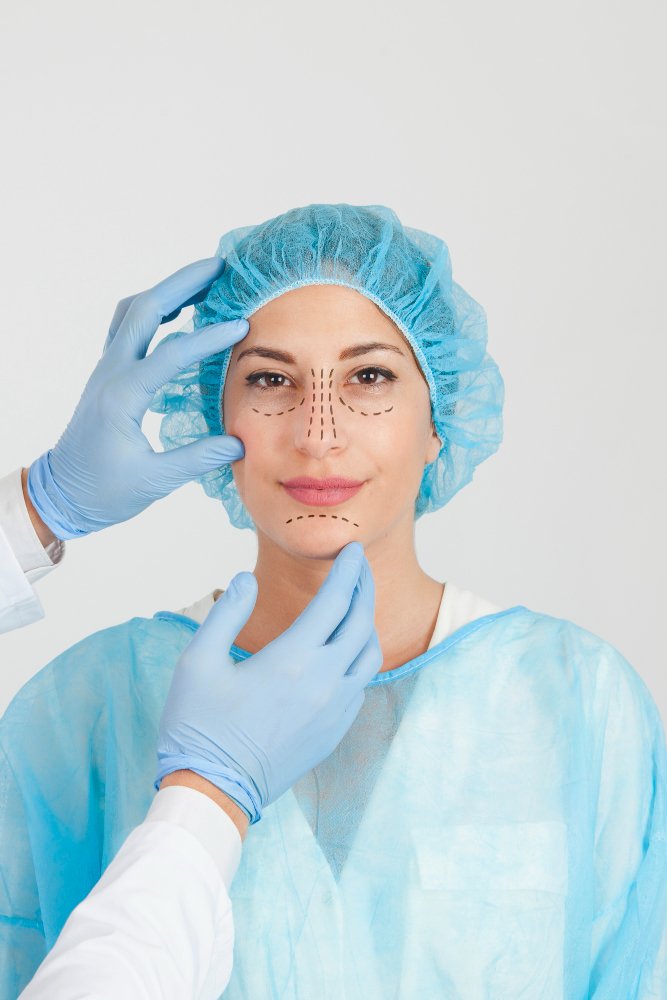
Treatment Overview
A facelift (rhytidectomy) is a cosmetic surgery designed to reduce visible signs of aging in the face and neck. By tightening skin, repositioning underlying tissues, and removing excess fat, a facelift restores youthful contours and smooths sagging areas.
Korea is considered one of the top global destinations for facelift surgery due to its cutting-edge surgical techniques, scar-minimizing approaches, and natural aesthetic philosophy. Korean surgeons are highly experienced in creating results that look refreshed rather than “over-pulled,” making facelifts in Seoul especially popular among both domestic and international patients.
Purpose & Benefits
The main goal of a facelift is to reverse the effects of aging while maintaining a natural appearance.
Key benefits include:
- Reduction of sagging skin in the midface, jawline, and neck.
- Softening of deep wrinkles, folds, and jowls.
- Lifting of drooping cheeks for a youthful contour.
- Tightening of the underlying SMAS (superficial musculoaponeurotic system) layer for longer-lasting results.
- Boost in self-confidence and rejuvenated facial harmony.
Ideal Candidates
A facelift may be ideal for individuals who:
- Are in their 40s–70s and experiencing skin laxity, jowls, or deep folds.
- Want long-lasting results beyond what non-surgical treatments can achieve.
- Have good overall health and skin elasticity.
- Prefer a natural, refreshed look rather than drastic changes.
- May have had previous facelifts and seek revision or enhancement.
Possible Risks & Complications
Facelift surgery is generally safe when performed by qualified surgeons, but as with any procedure, risks exist. These include bruising, swelling, infection, hematoma, temporary numbness, scarring, or asymmetry. Rarely, nerve injury may occur, though it usually resolves over time.
Korean clinics minimize risks through:
- 3D facial imaging and surgical simulation for personalized planning.
- Use of minimally invasive incisions placed in hidden areas (hairline, around the ears).
- Post-surgery recovery programs such as LED light therapy and scar management treatments.
Surgical Techniques Used
Korea offers a wide range of facelift options depending on the degree of correction needed:
- Mini Facelift – Focuses on the lower face with shorter incisions, ideal for younger patients.
- SMAS Facelift – Lifts both the skin and underlying tissue for more durable results.
- Deep Plane Facelift – Advanced method repositioning deeper tissues and ligaments for the most natural and long-lasting outcome.
- Neck Lift Combination – Often performed together with a facelift for comprehensive rejuvenation.
- Endoscopic Facelift – Minimally invasive with smaller incisions and quicker recovery.
Korean surgeons often combine facelift surgery with fat grafting, eyelid surgery, or skin resurfacing for complete facial rejuvenation.
Recovery & Aftercare
Recovery time depends on the type of facelift performed:
- Mini facelift: 1–2 weeks.
- SMAS or deep plane facelift: 2–4 weeks for swelling and bruising to subside.
Most patients return to work within 2–3 weeks, with final results visible after 2–3 months. Korean clinics are known for comprehensive aftercare programs, including:
- Swelling and scar management treatments.
- Regular follow-up visits with progress tracking.
- Luxury recovery facilities for international patients.
Results & Longevity
Facelift results in Korea are natural, subtle, and long-lasting.
- Mini facelifts typically last 5–7 years.
- SMAS and deep plane facelifts can last 10–15 years.
Because Korean surgeons focus on repositioning rather than overstretching the skin, results continue to age gracefully without appearing artificial.
Treatment Process in Korea
Korea’s status as a global hub for plastic surgery makes it a highly sought-after destination for facelifts. Patients benefit from:
- Customized consultation with 3D simulation to preview results.
- Scar-minimizing incision placement techniques developed by Korean surgeons.
- Integration of cutting-edge technologies like stem-cell enriched fat grafting, laser skin tightening, and regenerative medicine to enhance facelift outcomes.
- Multilingual support staff, medical tourism packages, and personalized recovery care.
International patients choose Korea not only for the high success rates and artistic results but also for the competitive pricing compared to Western countries.
Cost Range
Facelift costs in Korea vary by technique and clinic reputation:
- Mini facelift: USD $6,000 – $10,000
- SMAS facelift: USD $10,000 – $15,000
- Deep plane facelift: USD $15,000 – $25,000
- Revision facelift: USD $18,000 – $30,000
These prices are often more affordable than in the US or Europe, while maintaining world-class safety and surgical standards.
Popular Clinics in Korea
Seoul is home to some of the most renowned facelift clinics, including:
- Banobagi Plastic Surgery – famous for anti-aging and natural facelifts.
- ID Hospital – world leader in facial bone contouring and complex facelifts.
- JW Plastic Surgery – specializes in SMAS and deep plane facelifts.
- View Plastic Surgery – offers combined facial rejuvenation treatments.


