
Treatment Overview
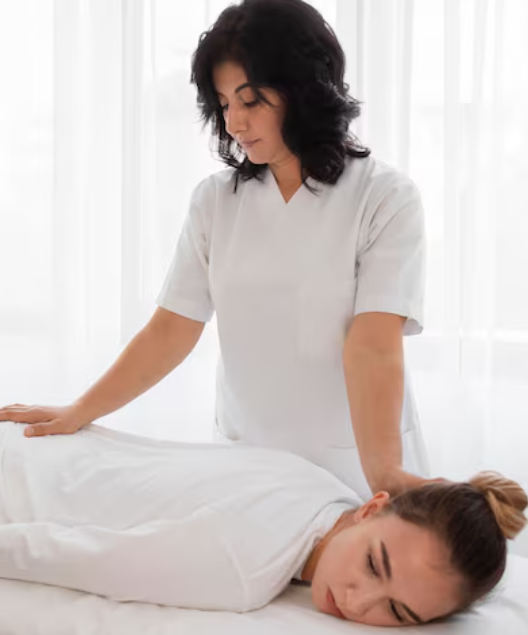
Fascia Healing & Adhesion Release Therapy is a specialized postpartum treatment designed to restore movement, relieve pain, and improve tissue flexibility after childbirth. The fascia is a thin, elastic layer of connective tissue that surrounds and supports muscles, organs, and joints. During pregnancy and delivery, the fascia can become tight, restricted, or develop adhesions—particularly around the abdomen, pelvis, and lower back.
In Korea, postpartum care centers use advanced fascia release techniques combined with traditional Korean healing methods to help mothers regain physical balance and comfort. This therapy targets deep muscle and connective tissue layers, breaking down adhesions, improving circulation, and promoting faster recovery after childbirth or cesarean section.
Purpose & Benefits
The primary purpose of Fascia Healing & Adhesion Release Therapy is to restore elasticity, improve mobility, and relieve pain caused by postpartum fascial restrictions. Major benefits include:
- Pain Relief: Reduces back, hip, and abdominal pain commonly experienced after childbirth.
- Improved Circulation: Enhances blood and lymphatic flow to promote natural healing.
- Adhesion Reduction: Softens and releases scar tissue and adhesions from C-section incisions or muscle strain.
- Posture Correction: Helps realign the body and improve posture affected by pregnancy.
- Increased Flexibility: Restores mobility and smooth movement in tight or restricted areas.
- Core Strength Support: Improves abdominal function and muscle coordination.
- Stress and Tension Relief: Provides deep relaxation while easing muscle fatigue.
Ideal Candidates
Fascia Healing & Adhesion Release is ideal for:
- Mothers recovering from vaginal delivery or C-section surgery.
- Women experiencing pain, tightness, or limited mobility in the abdomen, back, or hips.
- Individuals with C-section or episiotomy scars that feel tight or uncomfortable.
- Those who want to improve posture, flexibility, and circulation.
- Mothers seeking a safe, hands-on therapy for long-term postpartum recovery.
Therapy is generally recommended six to eight weeks after childbirth, once the body has healed and medical clearance has been obtained.
Possible Risks & Complications
When performed by trained therapists, this therapy is safe and effective. However, mild temporary effects may occur, such as:
- Slight soreness or tenderness after deep-tissue manipulation.
- Mild bruising or redness in treated areas.
- Temporary fatigue as the body adjusts to improved circulation.
- Increased sensitivity around C-section scars or tight muscle groups.
All sessions are customized to match each mother’s body condition and tolerance level to ensure comfort and safety.
Techniques Used
Korean postpartum care centers employ specialized fascia healing techniques that combine modern physiotherapy with traditional Hanbang (Korean medicine) practices. Common methods include:
- Myofascial Release: Gentle, sustained pressure to release fascial restrictions and restore mobility.
- Deep Tissue Manipulation: Focused manual therapy targeting deep muscle layers to relieve tension and pain.
- Scar Tissue Mobilization: Safe techniques to soften and release adhesions from C-section or surgical scars.
- Abdominal Fascia Therapy: Specific massage movements to enhance elasticity and relieve pressure around the uterus and abdomen.
- Infrared or Thermal Therapy: Controlled heat to relax fascia and increase blood flow.
- Herbal Oil Application: Use of natural Korean herbal oils to reduce inflammation and nourish tissues.
- Postural and Core Reinforcement: Gentle exercises to strengthen abdominal and pelvic muscles for long-term stability.
This combination of techniques ensures thorough, holistic healing—addressing both the physical structure and energy balance of the body.
Recovery & Aftercare
After each session, the body continues to adjust and heal as the fascia becomes more flexible. Recommended aftercare includes:
- Drinking warm water to help flush out toxins released during the session.
- Avoiding cold exposure immediately after therapy.
- Performing light stretching or breathing exercises to maintain tissue mobility.
- Resting adequately to allow the body to recover naturally.
- Maintaining proper posture and ergonomic movements during daily activities.
Most postpartum programs recommend two to three sessions per week for several weeks to achieve full results.
Results & Longevity
With consistent treatment, mothers experience noticeable improvement in both comfort and mobility. Common results include:
- Relief from chronic back, hip, and pelvic pain.
- Softer, more flexible scar tissue.
- Enhanced body alignment and posture.
- Improved energy levels and relaxation.
- Smoother movement and restored core strength.
The results are long-lasting when combined with proper posture, core exercises, and ongoing care. Many mothers continue periodic fascia therapy sessions to maintain flexibility and prevent future tightness.
Treatment Process in Korea
- Initial Consultation: A postpartum specialist evaluates the mother’s physical condition, scar tissue, and muscle tension.
- Customized Therapy Plan: A treatment plan is designed based on the mother’s delivery type, pain level, and recovery goals.
- Manual Fascia Release Session: Gentle, precise manipulations are applied to affected areas to release restrictions and improve circulation.
- Thermal and Herbal Integration: Heat therapy or herbal oil application enhances relaxation and tissue regeneration.
- Core Stability Guidance: The therapist may provide simple strengthening exercises to support long-term posture and balance.
- Follow-Up Evaluation: Progress is monitored, and treatment intensity is adjusted for continued improvement.
Korean postpartum care centers are internationally recognized for their advanced fascia therapy programs that combine medical expertise, precision techniques, and a nurturing environment for complete recovery.
Cost Range
The cost of Fascia Healing & Adhesion Release Therapy in Korea depends on the facility, therapist expertise, and program duration:
- Individual sessions: approximately ₩100,000 to ₩250,000 (USD $75–$190).
- Multi-session postpartum programs: around ₩2,000,000 to ₩4,000,000 (USD $1,500–$3,000) for several weeks.
- Comprehensive recovery packages: including massage, thermal therapy, and body realignment can cost ₩5,000,000 or more (USD $3,700+).
These packages typically include consultation, fascia treatments, and aftercare support.
Popular Considerations
- Begin treatment only after receiving clearance from your OB/GYN.
- Choose certified postpartum centers with experienced fascia specialists.
- Inform therapists about any surgical scars, pain areas, or sensitivities.
- Maintain hydration and rest after each session for optimal results.
- Combine fascia healing with lymphatic massage, pelvic alignment, or energy therapy for complete postpartum recovery.
- International mothers can find postpartum care centers in Korea that offer multilingual staff, personalized programs, and medically supervised treatments.


