
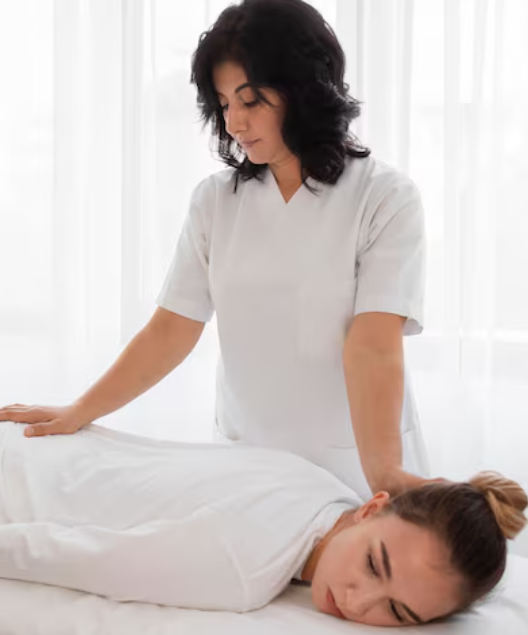
Treatment Overview
Fascia Release Therapy is a specialized postpartum treatment designed to restore body balance, relieve pain, and enhance mobility by targeting the fascia — the connective tissue that surrounds muscles, organs, and joints. During pregnancy and childbirth, the fascia can become tight, restricted, or misaligned due to hormonal changes, weight gain, and physical stress.
In Korea, fascia therapy has become a key part of postpartum recovery programs, integrating advanced medical techniques with holistic care. The treatment helps new mothers regain comfort, posture, and strength by gently releasing fascial tension and improving circulation throughout the body.
Purpose & Benefits
The primary goal of Fascia Release Therapy is to restore normal tissue function and promote full-body recovery after childbirth. The therapy offers multiple physical and emotional benefits, including:
- Pain Relief: Reduces back, neck, shoulder, and pelvic pain caused by tension and muscular imbalance.
- Improved Posture: Corrects posture issues developed during pregnancy, such as forward tilt or rounded shoulders.
- Enhanced Circulation: Stimulates blood and lymph flow to accelerate healing and reduce swelling.
- Restored Mobility: Releases restrictions in the fascia, allowing for freer, smoother movement.
- Pelvic Alignment Support: Works in conjunction with pelvic correction therapies to maintain balance.
- Scar Tissue Softening: Helps loosen adhesions from cesarean section scars or muscle strain.
- Stress Reduction: Promotes relaxation and relieves emotional tension through deep, mindful bodywork.
This therapy complements Korea’s comprehensive postpartum care approach, focusing on long-term wellness rather than short-term recovery.
Ideal Candidates
Fascia Release Therapy is recommended for:
- Women experiencing stiffness, pain, or tension after childbirth.
- Mothers recovering from cesarean or vaginal delivery who have tightness around the abdomen, hips, or lower back.
- Individuals with restricted mobility, posture imbalances, or muscular fatigue.
- Women seeking a non-invasive, manual therapy approach to recovery.
- Those wanting to combine modern body therapy with traditional postpartum care practices.
Possible Risks & Complications
Fascia Release Therapy is generally safe and gentle, but minor reactions may occur depending on sensitivity and technique intensity. Possible temporary effects include:
- Mild soreness or tenderness after the first session.
- Light bruising in areas where deep tension was released.
- Fatigue or temporary emotional release due to relaxation and improved circulation.
- Minor swelling if fluid retention was present before treatment.
Therapy should only be performed by qualified specialists trained in postpartum care, ensuring that techniques are applied safely around sensitive areas.
Techniques Used
Korean postpartum care centres use a combination of modern fascia release techniques and traditional therapeutic methods to achieve maximum results. Common techniques include:
- Myofascial Release: Gentle, sustained pressure applied to soft tissue restrictions to restore elasticity.
- Deep Tissue Manipulation: Targeted strokes and compressions to relieve tight fascia around muscles and joints.
- Abdominal and Pelvic Fascia Work: Focused therapy to ease tightness caused by pregnancy stretching or cesarean scars.
- Manual Stretching and Mobilization: Improves flexibility and reduces tension throughout the body.
- Warm Compress or Thermal Therapy: Heat is applied before or after sessions to soften fascia and enhance blood flow.
- Integration with Korean Postpartum Practices: Therapists may combine fascia release with herbal compresses, massage, or pelvic realignment to optimize healing.
Korea’s medical and wellness facilities are known for blending advanced physiotherapy methods with traditional healing philosophies, creating an effective postpartum recovery experience.
Recovery & Aftercare
Most mothers begin fascia therapy about four to six weeks after childbirth, once cleared by their OB/GYN. Sessions typically last 45 to 60 minutes and may be scheduled two to three times per week, depending on the mother’s condition and goals.
After each session, proper hydration is important to flush out released toxins and support tissue recovery. Mild stretching, rest, and maintaining body warmth further enhance results. Mothers should avoid heavy lifting or intense exercise for a few days after sessions to allow tissues to stabilize.
Combining fascia release with other therapies, such as pelvic correction or aqua therapy, provides more complete postpartum care and improved body balance.
Results & Longevity
With consistent treatment, Fascia Release Therapy delivers both immediate relief and long-term benefits:
- Noticeable reduction in pain and stiffness.
- Improved flexibility and smoother movement.
- Better posture and body alignment.
- Softer scar tissue and reduced muscle tightness.
- Restored energy and enhanced overall comfort.
Results often become visible after just a few sessions, and long-lasting benefits are achieved through regular therapy and mindful body maintenance. Continued stretching, proper posture, and periodic follow-up sessions help sustain the improvements.
Treatment Process in Korea
- Initial Assessment: A postpartum care specialist conducts a full-body evaluation to identify areas of fascial tension and misalignment.
- Customized Treatment Plan: A tailored therapy program is created based on body condition, delivery method, and recovery needs.
- Therapy Session: The therapist applies gentle manual pressure and stretching to release tension in targeted areas.
- Complementary Methods: Warm compresses, herbal oils, or heat therapy may be used to enhance relaxation.
- Post-Treatment Rest: The mother is advised to rest and hydrate to support tissue healing.
- Progress Evaluation: Adjustments are made throughout the program to ensure optimal recovery and alignment.
Korean postpartum facilities are highly regarded for their scientific approach to manual therapy, state-of-the-art facilities, and integration of wellness and rehabilitation.
Cost Range
The cost of Fascia Release Therapy in Korea varies by clinic, therapist expertise, and program duration:
- Single sessions: approximately ₩100,000 to ₩250,000 (USD $75–$190).
- Multi-session therapy packages: around ₩1,800,000 to ₩4,000,000 (USD $1,300–$3,000) for several weeks of treatment.
- Comprehensive postpartum programs: combining fascia release, massage, and realignment therapies can cost ₩5,000,000 or more (USD $3,700+), depending on facility and amenities.
Most programs include initial consultation, therapy sessions, and follow-up assessments.
Popular Considerations
- Choose certified therapists or physiotherapists specializing in women’s postpartum care.
- Begin therapy only after receiving medical clearance from your OB/GYN.
- Inform your therapist of any pain, sensitivity, or cesarean scars before treatment.
- Stay hydrated and maintain warmth after each session for better results.
- Combine fascia therapy with other postpartum care methods like Hanbang massage or pelvic correction for holistic recovery.
- International patients can find facilities in Korea offering English-speaking staff and customized postpartum care packages.


