
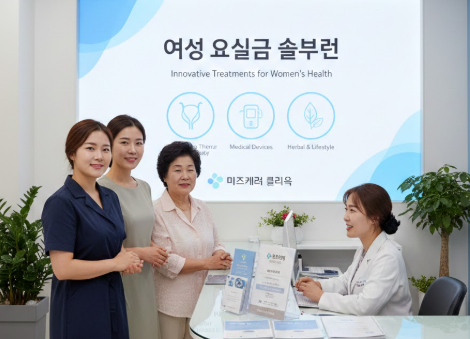
Treatment Overview
Female urinary incontinence is a common health concern experienced by women of all ages, often caused by childbirth, aging, hormonal changes, pelvic floor weakness, or underlying bladder disorders. Korea has become a leading destination for women seeking effective, minimally invasive, and advanced solutions for urinary incontinence. Korean hospitals offer a blend of high-precision diagnostics, modern technology, and customized treatment plans tailored to each woman’s unique needs.
From non-invasive therapies to state-of-the-art surgical options, Korea’s urology and urogynecology departments provide reliable, comfortable, and long-lasting solutions for regaining bladder control.
Purpose & Benefits
H5 Benefits of Female Incontinence Treatment in Korea:
- Significant improvement in bladder control
- Reduction in urinary leakage during daily activities
- Stronger pelvic floor function
- Better sleep due to reduced nighttime urination
- Increased confidence and comfort in social and work life
- Access to cutting-edge diagnostic tools
- Personalized treatment plans designed for women’s health
Korean specialists emphasize both functional recovery and overall quality of life.
Ideal Candidates
H5 Women are ideal candidates if they:
- Experience involuntary urine leakage when coughing, laughing, or exercising
- Have frequent or sudden urges to urinate (urge incontinence)
- Have mixed symptoms involving urgency and stress leakage
- Experience leakage after childbirth
- Are in menopause and suffering from hormonal decline-related symptoms
- Have not improved with home exercises or medications
- Want advanced therapies such as laser treatment, neuromodulation, or sling procedures
International patients seeking safe and trusted women’s health care also find Korea to be highly accessible.
Possible Risks & Complications
Although treatments in Korea are safe and patient-centered, potential risks depend on the therapy chosen.
H5 Possible risks include:
- Temporary discomfort during diagnostic tests
- Mild irritation after laser therapy
- Minor swelling or bruising following procedures
- Urinary retention after Botox injections
- Low risk of infection after surgical procedures
- Very rare allergic reactions
Korean hospitals follow strict hygiene and international safety protocols to minimize complications.
Techniques & Technology Used
Korea is among the most technologically advanced countries for women’s urogynecology.
H5 Common techniques include:
- Urodynamic Studies: Detect bladder pressure and function
- Pelvic Floor Ultrasound: Evaluates pelvic muscle and bladder support
- Pelvic Floor Physical Therapy: Strengthening exercises guided by experts
- Biofeedback & Electrical Stimulation: Helps retrain muscle control
- Laser Vaginal Rejuvenation (Er:YAG / CO₂ Lasers): Tightens tissue and improves stress incontinence
- Botox Injections for OAB: Relaxes bladder muscles
- Tibial Nerve Stimulation (PTNS): Non-surgical neuromodulation
- Vaginal Inserts & Pessaries: Support devices for stress leakage
- Mid-Urethral Sling Procedures: Gold standard surgery for stress incontinence
- Sacrocolpopexy & Urethral Bulking: For pelvic organ support and leakage control
Women benefit greatly from Korea’s early adoption of innovative laser treatments and low-invasive surgical technologies.
Treatment Process in Korea
H5 Step 1: Initial Consultation
A urogynecologist reviews symptoms, lifestyle, and medical history.
H5 Step 2: Diagnostic Examination
May include urine tests, ultrasound, pelvic muscle assessment, and urodynamic testing.
H5 Step 3: Personalized Treatment Planning
A detailed plan is provided based on diagnosis, severity, and patient preference.
H5 Step 4: First-Line Non-Invasive Therapy
Pelvic floor therapy, lifestyle guidance, bladder training, medications, or laser therapy.
H5 Step 5: Minimally Invasive Procedures
If needed, PTNS, Botox, or urethral bulking agents are suggested.
H5 Step 6: Surgical Solutions
For persistent stress incontinence, sling surgery or pelvic reconstruction is recommended.
H5 Step 7: Follow-Up
Patients receive ongoing support and monitoring to ensure long-term success.
Korea offers medical tourism coordinators to guide international patients through every step.
Recovery & After-Care
Recovery time varies by treatment type, but Korean hospitals emphasize quick, comfortable healing.
H5 Recovery guidelines include:
- Avoid heavy lifting for 1–2 weeks after sling surgery
- Continue pelvic floor exercises regularly
- Maintain hydration and avoid bladder irritants
- Follow medication instructions
- Attend all follow-up appointments
- Report any changes in symptoms immediately
Laser treatments and PTNS generally require no downtime, making them popular among busy women and travelers.
Results & Longevity
Female urinary incontinence treatments in Korea are known for high success rates.
H5 Expected results:
- Noticeable improvement within weeks for pelvic therapy
- Long-term control with laser and PTNS therapies
- 85–95% success rate with sling procedures
- Botox results lasting 6–12 months
- Laser treatments offering long-lasting tissue tightening
Proper lifestyle habits and continued strengthening exercises enhance long-term results.
Why Korea Is a Top Destination
Korea has become a global leader in urinary incontinence solutions due to:
- Highly trained urogynecologists and urology specialists
- Modern diagnostic technology
- Effective and minimally invasive treatment options
- High safety, cleanliness, and international accreditation
- Low complication rates
- Affordable pricing compared to US/UK
- Exceptional support for international patients
- Short waiting times and efficient medical systems
Korean hospitals rank consistently high for women’s pelvic health care worldwide.
Cost Range
H5 Estimated treatment costs in Korea:
- Consultation & Diagnostics: $150–$400
- Pelvic Floor Therapy Program: $50–$150 per session
- Vaginal Laser Tightening for Incontinence: $300–$700 per session
- Botox for Overactive Bladder: $900–$1,400
- PTNS Therapy: $80–$150 per session
- Urethral Bulking Injections: $1,200–$2,000
- Mid-Urethral Sling Surgery: $4,000–$7,500
Many hospitals offer medical tourism packages covering transport, translation, and follow-ups.
Popular Clinics in Korea
Top Korean hospitals and clinics for female incontinence care include:
- Samsung Medical Center
- Asan Medical Center
- Yonsei Severance Women’s Hospital
- Seoul National University Hospital
- CHA Women’s Medical Center
- W Clinic for Women’s Pelvic Health
- Mirae Urology & Women’s Center
- Maria Women’s Hospital
These centers are recognized for their expertise in women’s pelvic floor disorders and minimally invasive solutions.


