
Treatment Overview
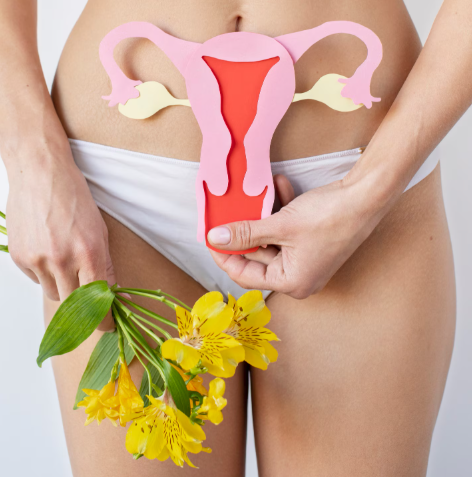
FemiLift Laser Vaginal Tightening is a non-surgical, minimally invasive laser treatment that uses advanced fractional CO₂ laser energy to rejuvenate and tighten the vaginal tissues. The treatment delivers controlled micro-pulses into the vaginal wall, stimulating collagen remodeling, elastin renewal, and enhanced vascularization.
In Korea, this technology is widely used in uro-gynecology and pelvic-floor clinics to address both functional and aesthetic concerns such as mild to moderate stress urinary incontinence, vaginal laxity, and post-childbirth tissue weakening. It offers a quick, comfortable procedure with no incisions, anesthesia, or downtime, making it one of the most popular laser treatments in women’s health.
Purpose & Benefits
Purpose:
- Strengthen the vaginal and peri-urethral tissues that support the bladder and urethra.
- Improve collagen density and elasticity to reduce leakage from stress urinary incontinence.
- Restore vaginal tone, hydration, and comfort after childbirth or menopause.
- Provide a non-surgical alternative to traditional incontinence surgery.
Benefits:
- Non-invasive and virtually painless.
- Quick in-office treatment lasting 20–30 minutes.
- No hospital stay or recovery period.
- Reduces involuntary urine leakage and improves bladder control.
- Enhances vaginal tightness, lubrication, and sensation.
- Boosts self-confidence and sexual wellness.
- Safe and effective for most women, with long-lasting natural results.
Ideal Candidates
FemiLift is ideal for women who:
- Experience mild to moderate stress urinary incontinence (leakage when coughing, sneezing, or exercising).
- Suffer from vaginal laxity or dryness following childbirth or menopause.
- Wish to avoid surgery or anesthesia.
- Seek functional pelvic-floor improvement as well as cosmetic enhancement.
- Have completed childbearing and want to restore pelvic support.
- Have no active vaginal infection, severe prolapse, or pregnancy.
Possible Risks & Complications
FemiLift laser vaginal tightening is safe, but minor temporary effects can include:
- Mild redness, warmth, or swelling in the treated area.
- Temporary watery discharge or light spotting for 1–3 days.
- Slight dryness or tenderness after treatment.
- Rare risk of irritation if post-treatment care instructions are not followed.
- Limited results for severe incontinence or major pelvic-floor defects that require surgical repair.
All effects are typically mild and resolve naturally within a few days.
Techniques Used
Korean uro-gynecology specialists use advanced FemiLift CO₂ laser systems that deliver precise, fractional micro-beams to stimulate deep tissue regeneration.
Common techniques and protocols include:
- Intravaginal Laser Application: A sterile 360° rotating probe delivers controlled laser energy throughout the vaginal canal for uniform tightening.
- Fractional Ablation: Creates microthermal zones that trigger new collagen synthesis and tissue contraction.
- External Treatment (Optional): For vulvar or labial tightening, depending on patient goals.
- Combination Therapy: Many Korean clinics combine FemiLift with pelvic-floor EMS, radiofrequency (RF), or biofeedback therapy for superior results.
- Custom Treatment Settings: Energy intensity and pulse duration are tailored to each patient’s vaginal tissue characteristics, age, and symptom severity.
Recovery & Aftercare
Recovery:
- No downtime or hospitalization required.
- Resume normal daily activities immediately after treatment.
- Avoid sexual intercourse, tampons, or hot baths for 3–5 days post-procedure.
Aftercare:
- Use gentle, fragrance-free hygiene products and stay well-hydrated.
- Follow your doctor’s recommendations for topical moisturizers if prescribed.
- Complete the full series of treatments (usually 2–3 sessions spaced 4–6 weeks apart).
- Maintain results through annual maintenance sessions and pelvic-floor exercises.
- Schedule routine follow-ups for assessment and additional care as needed.
Results & Longevity
Results:
- Noticeable improvement in vaginal tightness and urinary control typically appears within 2–4 weeks.
- Enhanced moisture, comfort, and muscle tone develop progressively as collagen regenerates.
- Reduction in leakage during physical activity or sudden pressure on the bladder.
- Improved sexual satisfaction and overall pelvic wellness.
Longevity:
- Results generally last 12–18 months or longer, depending on age, hormonal balance, and lifestyle.
- Annual touch-up sessions are recommended to maintain collagen stimulation.
- Continued pelvic-floor training and healthy habits prolong the benefits.
Treatment Process in Korea
Why Korea is a Top Destination:
- Korea is globally recognized for its excellence in women’s health and minimally invasive pelvic-floor treatments.
- Clinics use state-of-the-art FemiLift CO₂ laser systems that ensure precision, comfort, and safety.
- Treatments are performed by experienced uro-gynecologists trained in advanced pelvic-floor and aesthetic-gynecology procedures.
- Korean clinics emphasize holistic women’s wellness — combining functional, aesthetic, and emotional health in one approach.
- Modern facilities, bilingual staff, and medical-tourism support make Korea ideal for international patients seeking discreet, high-quality care.
Typical Treatment Process:
- Consultation: Pelvic and vaginal assessment, including evaluation of urinary incontinence severity.
- Preparation: Cleansing of the treatment area; topical anesthesia rarely needed.
- Laser Session: The FemiLift handpiece is inserted, delivering fractional CO₂ energy to the vaginal walls in a rotating motion.
- Duration: 20–30 minutes per session.
- Post-Treatment: Mild warmth or discharge may occur for a short period.
- Follow-Up: 2–3 sessions are typically recommended for optimal tightening and long-term continence improvement.
Unique Korean Methods & Technology:
- Integration of FemiLift with pelvic-floor electromyography or ultrasound diagnostics to measure pre- and post-treatment improvements.
- Combination laser protocols using CO₂ fractional energy and radiofrequency for enhanced tightening.
- Tailored rehabilitation programs incorporating physiotherapy and EMS for muscle retraining.
- Personalized women-only treatment environments with high standards of privacy and care.
Cost Range (Details)
The average cost of FemiLift Laser Vaginal Tightening in Korea varies depending on clinic reputation, physician expertise, and number of sessions:
- Single Session: ₩ 400,000 – 1,000,000 KRW (≈ US $300 – 750).
- Full Package (3 Sessions): ₩ 1,200,000 – 2,500,000 KRW (≈ US $900 – 1,900).
- Combined Treatments (Laser + RF or EMS): ₩ 1,800,000 – 3,500,000 KRW (≈ US $1,400 – 2,700).
- Annual Maintenance: ₩ 400,000 – 700,000 KRW (≈ US $300 – 530).
Costs remain competitive compared to Western markets, with superior technology and expert care.
Popular Clinics in Korea
- Major women’s hospitals in Seoul specializing in uro-gynecology and laser-based pelvic-floor rehabilitation.
- Premium OBGYN centers in Gangnam offering functional and aesthetic vaginal rejuvenation.
- Postpartum recovery clinics combining FemiLift laser therapy with pelvic-floor strengthening.
- Specialized female wellness centers integrating laser tightening, EMS therapy, and hormonal balance programs.
- Medical-tourism-accredited clinics providing multilingual care and comprehensive aftercare support for international patients.


