
Treatment Overview
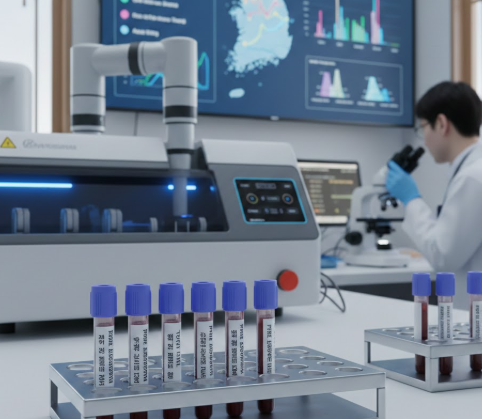
Free and total testosterone testing is a vital diagnostic tool to evaluate male hormonal health. Total testosterone measures the overall testosterone level in your blood, while free testosterone assesses the fraction of testosterone that is unbound and biologically active. These tests help identify conditions like hypogonadism, fertility issues, low energy, reduced muscle mass, and mood disorders.
Purpose & Benefits
The main purpose of free and total testosterone testing is to provide a clear picture of your hormonal status. Benefits include:
- Accurate diagnosis of testosterone deficiency
- Guidance for hormone replacement therapy (HRT) if needed
- Monitoring hormonal balance for fitness and aging-related concerns
- Early detection of metabolic and reproductive disorders
Ideal Candidates
Testing is recommended for:
- Men experiencing fatigue, low libido, or erectile dysfunction
- Individuals with unexplained weight gain or loss of muscle mass
- Men with mood swings, depression, or cognitive changes
- Patients preparing for or already undergoing testosterone therapy
- Older adults concerned about age-related testosterone decline
Possible Risks & Complications
Testosterone testing is minimally invasive and generally safe. Potential minor risks include:
- Slight pain or bruising at the blood draw site
- Rare chance of infection at the puncture site
There are no significant long-term complications associated with the test itself.
Techniques & Technology Used
Korean clinics use advanced laboratory methods for precise results:
- Immunoassay: Common, fast, and cost-effective for total testosterone
- LC-MS/MS (Liquid Chromatography–Mass Spectrometry): Highly accurate and recommended for free testosterone measurement
- Automated analyzers: Provide rapid and reliable results
These technologies ensure accurate readings critical for diagnosis and treatment planning.
Treatment Process in Korea
The testing process in Korea is straightforward:
- Appointment Scheduling: Online or phone booking, often with English-speaking staff
- Blood Sample Collection: Usually from the arm, often in the morning when testosterone levels peak
- Lab Analysis: Results are typically available within 24–48 hours
- Consultation: Doctors discuss results and recommend next steps, including lifestyle advice or therapy if necessary
Recovery & After-Care
As the test is non-invasive, there is no recovery period. Recommended after-care includes:
- Keeping the puncture site clean
- Applying a small bandage if bleeding occurs
- Monitoring for mild bruising
Patients can resume normal activities immediately after testing.
Results & Longevity
Results provide a snapshot of current testosterone levels. They can:
- Detect deficiencies early
- Help track the effectiveness of treatments over time
- Offer insight into long-term health risks related to hormonal imbalance
Regular testing is recommended for men undergoing testosterone therapy or experiencing symptoms.
Why Korea Is a Top Destination
Korea has become a leading destination for testosterone testing due to:
- World-class medical facilities and laboratories
- Highly trained endocrinologists and urologists
- Advanced diagnostic technology ensuring accurate results
- English-friendly services for international patients
- Competitive pricing compared to Western countries
Cost Range
The cost of free and total testosterone testing in Korea typically ranges from $50 to $150 USD, depending on the clinic, type of test, and additional consultations. Many clinics offer package deals for comprehensive hormonal panels.
Popular Clinics in Korea
Some of the most reputable clinics for testosterone testing include:
- JK Plastic Surgery & Medical Clinic – Known for comprehensive hormonal health evaluations
- Banobagi Medical Group – Offers advanced LC-MS/MS testing for free testosterone
- Grand Seoul Hospital – Provides full endocrine assessment with expert consultation
- ID Hospital – Combines testing with hormone therapy guidance for optimal results


