
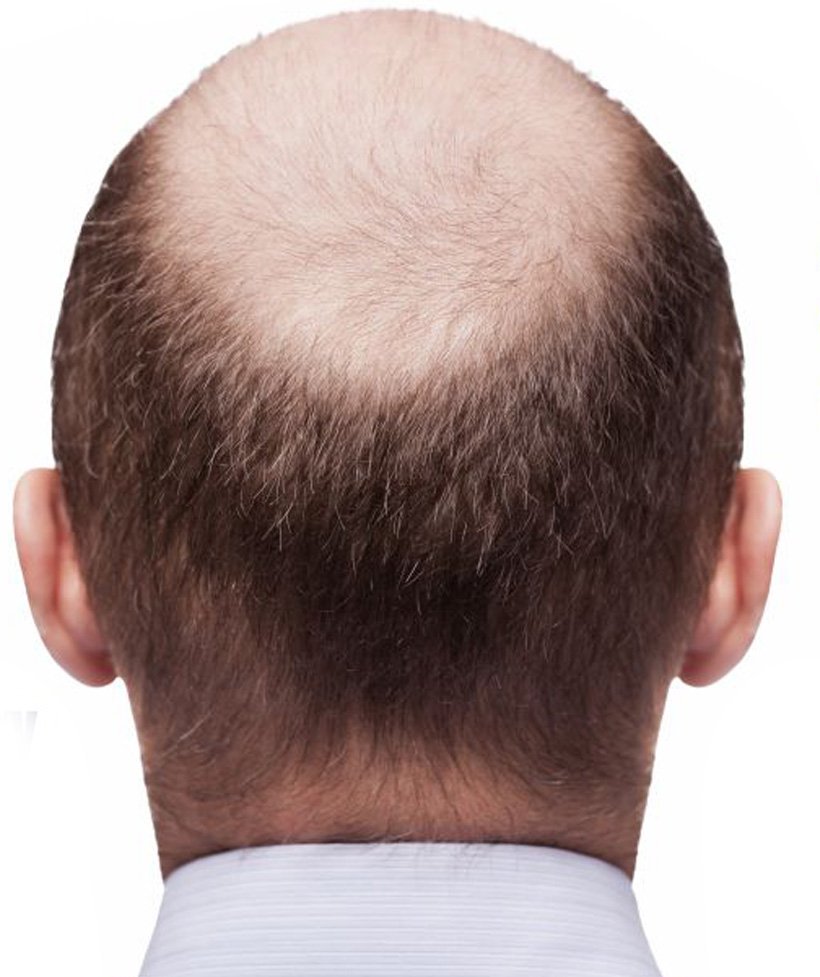
Hair loss is a deeply personal issue, and for medically sensitive patients—those with pre-existing conditions or complex health histories—choosing the safest and most effective hair transplant method is critical. In South Korea, where hair restoration clinics are renowned for precision and innovation, doctors often recommend either FUE (Follicular Unit Extraction) or FUT (Follicular Unit Transplantation). But which option is better for medically sensitive individuals?
Let’s explore the key differences between FUE and FUT, and how Korean doctors tailor their approach for patients with health considerations such as blood disorders, diabetes, hypertension, or autoimmune conditions.
Understanding the Techniques: FUE vs. FUT
💠 FUE (Follicular Unit Extraction)
- Method: Individual follicular units are extracted one by one from the donor area using a micro-punch tool.
- Scar: Minimal; tiny dot scars scattered across the donor area.
- Recovery Time: Faster; lower postoperative discomfort.
- Ideal for: Patients seeking less invasive surgery and quicker healing.
💠 FUT (Follicular Unit Transplantation)
- Method: A strip of scalp is surgically removed from the donor area, and individual grafts are dissected under a microscope.
- Scar: Linear scar at the back of the scalp.
- Recovery Time: Longer; sutures or staples may be required.
- Ideal for: Patients needing a large number of grafts in one session.
Medical Sensitivity: What Conditions Matter Most?
Korean doctors conduct a thorough preoperative assessment to identify patients with conditions that require special care. These include:
- Diabetes
- Hypertension
- Heart disease (especially patients on anticoagulants)
- Autoimmune disorders (e.g., lupus, alopecia areata)
- Blood clotting issues
- Skin disorders (e.g., eczema, psoriasis)
- History of keloid scarring or poor wound healing
FUE vs. FUT for Medically Sensitive Patients: Korean Expert Insights
✅ Why FUE is Often Preferred
Many top Korean surgeons recommend FUE for medically sensitive patients, and here’s why:
- Less invasive: No scalpel or stitches required, which reduces trauma to the scalp.
- Lower bleeding risk: Especially important for patients on blood thinners or with clotting issues.
- Faster recovery: Minimizes infection risk and allows quicker wound healing.
- Flexible anesthesia options: FUE is often performed under local anesthesia, reducing systemic strain.
- Scalp preservation: Especially beneficial for patients with conditions that compromise skin integrity or healing capacity.
⚠️ When FUT Might Still Be Considered
In select cases, FUT may still be recommended—typically when:
- A large number of grafts is needed in a single session.
- The donor area is limited, and strip harvesting yields higher density.
- The patient has no significant bleeding or healing complications.
In these scenarios, Korean clinics ensure:
- Preoperative bloodwork (e.g., coagulation profiles)
- Collaboration with the patient’s primary care doctor or specialist
- Conservative strip width and tension-controlled closure to minimize scarring
Tailored Approach in Korean Clinics
Korean hair restoration clinics are known for their personalized treatment protocols, especially for medically sensitive patients. Key steps include:
🩺 1. Comprehensive Medical Evaluation
Doctors evaluate your complete medical history, medication list, and risk factors. Blood tests, scalp analysis, and even cardiology clearance may be required.
💬 2. Multidisciplinary Coordination
For high-risk patients, clinics often coordinate with specialists such as:
- Cardiologists
- Endocrinologists
- Dermatologists
This ensures that the hair transplant is safely integrated into your overall medical care.
💊 3. Modified Surgical Planning
Doctors may reduce the total number of grafts per session, use micro-punches with smaller diameters, and provide customized wound care instructions to lower stress on the body.
Non-Surgical Alternatives for High-Risk Patients
If surgery poses too much risk, Korean clinics may suggest non-surgical options such as:
- PRP (Platelet-Rich Plasma) Therapy
- Stem cell-derived growth factors
- Low-Level Laser Therapy (LLLT)
- Medical hair loss management (finasteride, minoxidil)
These treatments can be used as a standalone or as a pre-surgical preparation to improve scalp condition.
Conclusion: Consult a Korean Hair Restoration Specialist
For medically sensitive patients, the choice between FUE and FUT should not be made lightly. While FUE is generally safer and more compatible with complex health conditions, each patient requires a thorough consultation and personalized surgical plan.
In Korea, hair transplant surgeons are internationally trained and highly experienced in managing medically complex cases with exceptional attention to safety and detail. A transparent dialogue about your medical history will allow your doctor to recommend the safest and most effective option.


