
Treatment Overview
Functional pelvic rehabilitation is a comprehensive therapy program designed to restore and optimise the interaction between the pelvic floor muscles, core musculature, posture-and-movement systems, and daily functional tasks. In Korea, this treatment is offered in specialist women’s health or urogynecology clinics, and its focus extends beyond isolated pelvic floor exercises to include functional integration: breathing mechanics, posture, core stability, movement patterns (lifting, bending, squatting), and lifestyle habits. The aim is to help women transition from rehabilitation to full participation in everyday life, fitness, work and motherhood.
Purpose & Benefits
The purpose of functional pelvic rehabilitation is to rebuild the pelvic floor system as part of the integrated musculoskeletal and neuromuscular network that supports bladder, bowel, sexual and pelvic organ function, as well as core strength and postural stability. Benefits include improved urinary and fecal control, reduction of pelvic heaviness or prolapse symptoms, elimination of compensatory movement patterns (such as placing strain on back or hips), better posture, reduced pelvic or low-back pain, increased confidence in functional movements (carrying children, lifting, exercising), and a more durable recovery because functional behaviours are retrained rather than simply isolated muscle training.
Ideal Candidates
Ideal candidates are women who are experiencing pelvic floor dysfunction (such as incontinence, prolapse, pelvic pain), but in addition have functional limitations—for example difficulty lifting, moving, exercising, or performing daily tasks without pelvic discomfort or leakage. Postpartum women, women recovering from pelvic floor surgery, those with core instability or impaired movement patterns, and those who want to return to full fitness or work demanding functional movement are excellent candidates. Also women who have completed initial pelvic floor muscle rehab but still struggle with functional integration of their pelvic floor in real-life tasks.
Possible Risks & Complications
As a non-surgical, functional rehabilitation approach, risks are relatively low. Mild muscle soreness, fatigue, or temporary increased awareness of movement limitations may occur as the body adjusts. If poorly supervised, there is a risk of reinforcing incorrect movement or compensatory patterns (e.g., over-using hips/back instead of pelvic core). In individuals with untreated structural pelvic floor defects, relying only on functional rehab may delay needed surgical assessment. It is crucial that the therapy be delivered by physiotherapists trained in pelvic health and that underlying medical issues are screened.
Surgical Techniques Used
While functional pelvic rehabilitation itself is non-surgical, in Korea it is often integrated into care pathways that include surgical repair of pelvic floor/organ support when necessary. After surgery such as pelvic organ prolapse repair or incontinence surgery, functional rehabilitation helps restore movement integration, posture, and avoidance of re-injury. The surgical component may include minimally invasive or robotic pelvic floor reconstruction, but the rehabilitation focuses on functional restoration post-surgery.
Recovery & Aftercare
Recovery from functional pelvic rehabilitation begins with supervised sessions (typically 1-2 times a week) over a period of weeks (often 4-8 weeks), followed by a transition to home-based functional exercise programs and maintenance. Aftercare emphasises movement education (how to lift, carry, bend, cough safely), posture/core training, pelvic floor muscle integration into daily tasks, lifestyle modification (bladder/bowel habits, breathing, activity progression) and periodic reassessment for long-term maintenance. For post-surgical patients, aftercare includes gradual return to activity, avoidance of high intra-abdominal pressure until adequate function is restored, and integration of rehabilitation into everyday movement.
Results & Longevity
When done correctly, women experience stronger, more coordinated pelvic floor and core musculature, improved ability to perform daily and fitness tasks without leakage or pain, better posture and movement quality, and fewer recurrence of symptoms. The longevity of these results depends on continued functional practice, good movement habits, activity modifications, and maintenance sessions. Because rehabilitation targets real-life behaviour rather than isolated muscle training, results tend to be more durable when integrated into daily life.
Treatment Process in Korea
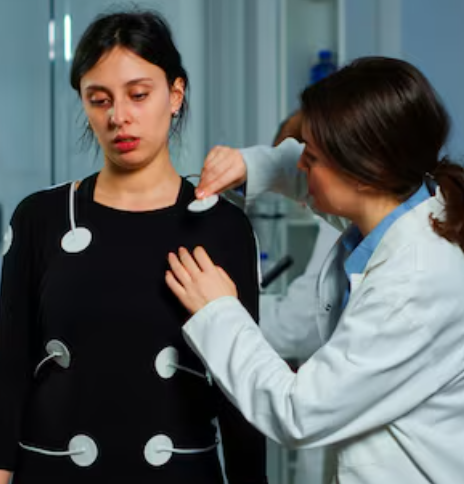
In Korea, functional pelvic rehabilitation typically begins with a detailed assessment by a women’s health or urogynecology specialist together with a pelvic-floor physical therapist. The assessment will include pelvic floor muscle strength/coordination, posture and movement analysis (lifting, bending, carry tasks), core stability testing, breathing mechanics, and lifestyle/activity review. A personalised plan is developed combining manual therapy, pelvic floor exercises, core/posture training, movement integration (functional tasks), biofeedback or electrical stimulation if needed, movement re-training (how to squat, lift, carry baby safely), and lifestyle/behavioural education. Sessions are conducted in multidisciplinary clinics where gynecologists and physiotherapists collaborate. Korea is recognised for its advanced physiotherapy training in pelvic health, strong emphasis on functional integration, and clinics that support international patients with high-quality care and modern rehabilitation technology. These clinics often integrate movement science, body mechanics, and postural retraining into the pelvic floor program.
Cost Range
The cost of functional pelvic rehabilitation in Korea varies by clinic, number of sessions, technology and inclusion of diagnostics. An initial consultation might cost around ₩ 50,000 to ₩ 100,000 (approx USD 40-75) per visit. Each functional rehabilitation session may cost around ₩ 70,000 to ₩ 150,000 (USD 50-110). Package programs (for example 10 sessions) may range from about ₩ 700,000 to ₩ 1,200,000 (USD 520-900). Additional diagnostic assessments (posture/movement analysis, ultrasound, EMG) may add ₩ 100,000 to ₩ 300,000. Maintenance or follow-up sessions may be priced lower depending on frequency.


