
Treatment Overview
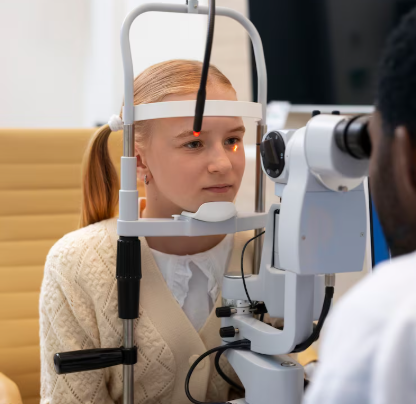
Fundus Autofluorescence (FAF) is a non-invasive retinal imaging technique used to assess the health of the retinal pigment epithelium (RPE), detect early changes in Age-Related Macular Degeneration (AMD), and monitor disease progression. FAF captures the natural fluorescence emitted by lipofuscin, a byproduct of photoreceptor metabolism, allowing ophthalmologists to identify RPE dysfunction, drusen, and areas at risk for geographic atrophy.
In Korea, FAF imaging for AMD is performed with advanced devices and AI-assisted analysis:
- High-resolution FAF imaging systems for detailed RPE mapping
- Widefield FAF for peripheral and central retinal evaluation
- AI-assisted detection and classification of early AMD lesions
- Integration with OCT and OCT-A for comprehensive retinal assessment
- Digital patient monitoring dashboards for longitudinal tracking
- Outpatient procedure with rapid image acquisition
- Optional multimodal imaging for treatment planning and monitoring
FAF imaging allows clinicians to detect early AMD changes before vision loss occurs and personalize follow-up or preventive strategies.
Purpose & Benefits
Purpose
- Detect RPE abnormalities, drusen, and early geographic atrophy
- Monitor AMD progression over time
- Identify high-risk areas for conversion to wet AMD
- Complement OCT and OCT-A imaging for complete retinal assessment
- Guide preventive interventions, lifestyle counseling, or early treatment
- Facilitate longitudinal tracking of retinal health
Benefits
- Non-invasive, painless, and safe imaging technique
- Early detection of AMD changes before visual symptoms appear
- AI-assisted analysis improves diagnostic accuracy
- Supports personalized follow-up and preventive care
- Enables clinicians to intervene early and slow disease progression
- Quick outpatient procedure with immediate imaging results
- Provides a permanent digital record for comparison over time
Ideal Candidates
Fundus Autofluorescence AMD Imaging in Korea is ideal for:
- Individuals with early or intermediate AMD
- Patients with drusen or pigmentary changes detected on fundus exam
- High-risk patients with family history of AMD or cardiovascular risk factors
- Patients undergoing anti-VEGF therapy to monitor treatment response
- Individuals requiring detailed RPE mapping for preventive planning
Possible Risks & Complications
Minor / Transient Issues
- Mild light sensitivity during imaging
- Temporary eye fatigue from prolonged fixation
- Slight discomfort if pupil dilation is used
Rare / Serious Risks
- Rare allergic reaction to dilation drops (if used)
- No systemic or invasive risks, as FAF is non-contact and non-invasive
How Korean Clinics Minimize Risks
- Use of non-invasive, ultra-fast FAF imaging devices
- Optional AI-assisted analysis for accuracy without repeat imaging
- Experienced technicians and retina specialists performing imaging
- Minimal use of dilation unless necessary
Related Diagnostic & Treatment Techniques
- Optical Coherence Tomography (OCT) – Assess retinal layers and macular thickness
- OCT-Angiography (OCT-A) – Evaluate retinal and choroidal microvasculature
- Color Fundus Photography – Baseline retinal documentation
- Fluorescein Angiography (FA) – Complementary imaging for CNV
- Anti-VEGF Therapy – Guided by imaging for wet AMD
- Laser Therapy – Planning based on retinal changes
- Lifestyle and Nutritional Counseling – Preventive care for early AMD
Treatment Process in Korea
Step 1 – Pre-Imaging Assessment
- Comprehensive eye exam including visual acuity and intraocular pressure
- Pupil dilation if necessary for optimal image quality
- Explanation of the imaging procedure and purpose
Step 2 – FAF Imaging Procedure
- Patient seated and instructed to fixate on target
- High-resolution FAF images captured of macula and retina
- Widefield imaging if peripheral assessment is needed
- AI-assisted analysis to detect early AMD lesions or RPE abnormalities
- Integration with OCT/OCT-A for complete retinal evaluation
Step 3 – Follow-Up & Monitoring
- Images reviewed by ophthalmologist or retina specialist
- Digital dashboard tracks changes in RPE and drusen over time
- Personalized follow-up intervals based on disease risk
- Preventive strategies or treatment recommendations if progression is detected
Duration: 10–20 minutes
Setting: Outpatient ophthalmology clinic with advanced FAF equipment
Recovery & After-Care
After-Care Guidelines
- No recovery time needed; patient can resume normal activities
- Avoid rubbing eyes if dilation was used
- Report any visual changes or discomfort to your doctor
- Schedule follow-up imaging as recommended
Recovery Timeline
- Immediate: Imaging complete with no long-term effects
- 24 Hours: Any effects from dilation resolve
- Ongoing: Regular monitoring every 6–12 months or as recommended
Results & Longevity
Expected Results
- Early detection of RPE dysfunction, drusen, and geographic atrophy
- Identification of high-risk areas for progression to wet AMD
- Support for preventive interventions and personalized follow-up
- Digital record enables longitudinal comparison and monitoring
Longevity
- FAF images provide a permanent digital record
- Safe for repeated use for ongoing monitoring
- Enables long-term management of AMD and early intervention
Why Korea Is a Top Destination
- Highly experienced retina specialists and ophthalmologists
- Advanced FAF and multimodal imaging systems
- AI-assisted analysis for early and accurate detection
- Integration with OCT/OCT-A and FA for comprehensive evaluation
- English-friendly clinics with structured long-term monitoring
- Non-invasive, safe, and patient-friendly procedure
Unique Korean Innovations
- AI-guided detection of drusen and RPE changes
- Digital dashboards for longitudinal tracking of retinal health
- Widefield FAF imaging for both central and peripheral retina
- Personalized follow-up intervals based on AI risk assessment
- Integration with lifestyle and nutritional counseling
Cost Range (Indicative Estimate)
| Package | Price (KRW) | Approx. USD | Inclusions |
|---|---|---|---|
| Single FAF Imaging Session | ₩150,000 – ₩300,000 | ~$115 – $230 | Imaging + AI analysis + consultation |
| Comprehensive Early AMD Assessment | ₩350,000 – ₩700,000 | ~$265 – $540 | FAF + OCT + OCT-A + consultation |
| Annual Monitoring Program | ₩500,000 – ₩1,200,000 | ~$380 – $915 | Multiple imaging sessions + AI analysis + specialist review |
Popular Clinics in Korea
- Kim’s Eye Hospital Retina Center (Seoul)
- Gangnam Severance Hospital Retina Clinic
- Seoul National University Hospital Ophthalmology Center
- B&VIIT Eye Center (Gangnam)
- BGN Eye Clinic (Seoul & Busan)
- NUNE Eye Hospital (Daegu)
- Glory Seoul Eye Clinic
- Dream Eye Center (Seoul)


