
Treatment Overview
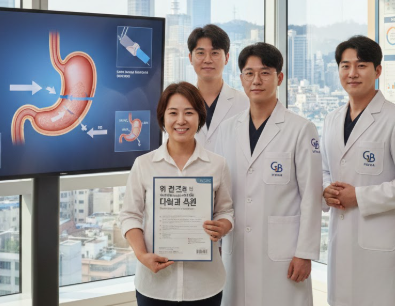
Gastric Bypass with Multi‑Disciplinary Support is an advanced bariatric procedure that combines standard gastric bypass surgery with comprehensive care from a team of healthcare specialists. This approach ensures optimal outcomes by integrating surgeons, nutritionists, psychologists, physiotherapists, and endocrinologists throughout the treatment journey. Patients benefit from personalized care, improved weight loss, enhanced metabolic health, and long-term success. Korea is globally recognized for offering multi-disciplinary bariatric programs with advanced surgical techniques and world-class patient support.
Purpose & Benefits
This procedure addresses severe obesity and its related health conditions while ensuring holistic care. Key benefits include:
- Significant and sustained weight loss.
- Improved management or remission of type 2 diabetes, hypertension, and sleep apnea.
- Enhanced psychological support and lifestyle coaching for long-term adherence.
- Optimized nutritional status and prevention of post-surgery deficiencies.
- Reduced complications and faster recovery due to coordinated care.
Ideal Candidates
Gastric Bypass with Multi‑Disciplinary Support is suitable for:
- Individuals with a Body Mass Index (BMI) of 35 or higher.
- Patients with a BMI of 30–34.9 who have obesity-related comorbidities.
- Adults aged 18–65 who require structured support for sustainable weight loss and metabolic improvement.
- Patients committed to following a comprehensive program involving diet, exercise, psychological support, and follow-up care.
Possible Risks & Complications
While generally safe, potential risks include:
- Surgical complications such as bleeding, infection, or anesthesia reactions.
- Nutritional deficiencies if dietary guidance is not followed.
- Dumping syndrome or digestive issues.
- Rare complications including leaks at the surgical site or bowel obstruction.
Multi-disciplinary support in Korean hospitals mitigates risks by combining expert surgical care with structured nutrition, psychological, and physiotherapy support.
Techniques & Technology Used
Korean hospitals employ advanced methods to ensure safety and efficacy:
- Laparoscopic Surgery: Minimally invasive approach reduces scarring and accelerates recovery.
- Robotic-Assisted Surgery (optional): Provides precision for complex cases.
- High-Definition Imaging & Navigation: Ensures accurate stomach pouch creation and intestinal rerouting.
- Multi-Disciplinary Support: Integrated care from surgeons, dietitians, psychologists, and physiotherapists.
- Post-Operative Monitoring Systems: Track recovery, nutritional intake, mental well-being, and metabolic health.
Treatment Process in Korea
- Consultation: Assessment of BMI, metabolic health, comorbid conditions, and psychological readiness.
- Pre-Operative Multi-Disciplinary Preparation: Nutritional planning, psychological counseling, and physical optimization.
- Surgery: Performed under general anesthesia, typically 2–4 hours.
- Hospital Stay: Usually 2–4 days with coordinated monitoring by the multi-disciplinary team.
- Post-Operative Care: Includes guided diet progression, exercise programs, psychological support, and regular follow-ups.
Recovery & After-Care
- Immediate Post-Surgery: Early mobilization, hydration, and liquid diet.
- Weeks 2–4: Gradual transition from liquid to soft foods, then solids with dietitian guidance.
- Nutritional Supplements: Vitamins and minerals to prevent deficiencies.
- Psychological & Lifestyle Support: Counseling, habit coaching, and structured follow-ups to ensure adherence.
- Long-Term Adjustments: Balanced diet, portion control, regular physical activity, and ongoing mental health support.
Results & Longevity
- Patients typically achieve 60–80% excess weight loss within 12–18 months.
- Significant improvement or remission of type 2 diabetes, hypertension, and other obesity-related conditions.
- Lifelong adherence to dietary, psychological, and exercise guidance ensures sustained success.
- High patient satisfaction due to comprehensive care and long-term support.
Why Korea Is a Top Destination
- Experienced bariatric surgeons working with multi-disciplinary teams for holistic care.
- Advanced hospitals with state-of-the-art surgical, nutritional, and psychological facilities.
- Comprehensive pre- and post-operative programs tailored for international patients.
- Competitive costs compared to Western countries without compromising quality.
- English-speaking staff, concierge services, and full medical tourism support for international patients.
Cost Range
- Surgery alone: $9,000 – $17,000 USD
- Full packages (including pre-op tests, hospital stay, multi-disciplinary care, post-op follow-ups, and medical tourism support): $13,000 – $22,000 USD
Popular Clinics in Korea
- Seoul National University Hospital – Bariatric & Multi-Disciplinary Support Center
- Asan Medical Center – Weight Loss Surgery & Integrated Care Department
- Samsung Medical Center – Obesity & Metabolic Surgery with Holistic Support
- JK Plastic Surgery & Bariatric Center – Comprehensive Bariatric Care
- Korea University Anam Hospital – Bariatric & Multi-Disciplinary Unit


