
Treatment Overview
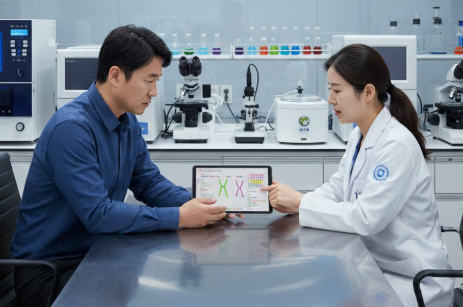
Genetic testing for male infertility is a specialized diagnostic procedure designed to identify chromosomal abnormalities, gene mutations, or Y-chromosome microdeletions that may impact sperm production and fertility. Korean clinics offer advanced genetic testing integrated with comprehensive male fertility evaluation to provide accurate diagnosis and personalized treatment planning.
Purpose & Benefits
The main purposes of genetic testing for male infertility are:
- Identifying chromosomal or genetic abnormalities affecting sperm production
- Assessing the risk of hereditary conditions in offspring
- Guiding personalized treatment plans, including assisted reproductive techniques (ART)
Benefits include:
- Early detection of genetic causes of male infertility
- Informed decision-making regarding fertility treatments and family planning
- Increased success rates for IVF, ICSI, or other assisted reproduction methods
- Supports long-term reproductive health and genetic counseling for patients and partners
Ideal Candidates
Genetic testing is recommended for:
- Men with severe oligospermia or azoospermia
- Individuals with abnormal semen analysis or testicular biopsy results
- Men with a family history of genetic disorders affecting fertility
- Patients experiencing repeated IVF or ICSI failures
- Couples planning assisted reproductive procedures where male infertility is a factor
Possible Risks & Complications
Genetic testing is safe and minimally invasive. Potential considerations include:
- Minor discomfort during blood or saliva sample collection
- Psychological stress related to test results
- Anxiety about fertility prognosis or hereditary risks
There are no significant physical risks associated with genetic testing.
Techniques & Technology Used
Korean clinics employ advanced techniques for genetic testing:
- Karyotyping – Detects chromosomal abnormalities such as Klinefelter syndrome
- Y-chromosome microdeletion analysis – Identifies deletions associated with azoospermia or severe oligospermia
- Gene panel testing – Detects mutations affecting sperm production and function
- Integration with fertility evaluation – Combined with semen analysis, hormonal testing, and imaging for comprehensive assessment
These methods ensure precise detection of genetic factors contributing to male infertility.
Treatment Process in Korea
The typical process includes:
- Consultation: Review of medical, reproductive, and family history
- Sample Collection: Blood or saliva samples collected in a clinical setting
- Laboratory Analysis: Advanced genetic testing using high-precision techniques
- Results Interpretation: Detailed report with fertility implications and treatment recommendations
- Follow-Up: Genetic counseling and guidance on assisted reproduction or lifestyle interventions
Recovery & After-Care
- No physical recovery is required for genetic testing
- Patients are advised to follow specialist recommendations based on results
- Counseling and follow-up may be provided for emotional and reproductive support
Results & Longevity
- Provides insight into genetic causes of male infertility
- Supports personalized fertility treatment planning and reproductive decision-making
- Helps anticipate and manage hereditary risks for potential offspring
- Results are permanent and can guide future fertility evaluations
Why Korea Is a Top Destination
Korea is a leading destination for genetic testing for male infertility due to:
- Highly skilled reproductive geneticists and specialists
- Advanced laboratories with state-of-the-art genetic testing technology
- Integration of genetic testing with comprehensive fertility evaluation and assisted reproduction programs
- Confidential, patient-centered, and English-language services
- Competitive pricing and internationally accredited clinics
Cost Range
Genetic testing for male infertility in Korea typically costs $500 to $2,000 USD, depending on the scope of testing and whether it is part of a comprehensive fertility assessment package.
Popular Clinics in Korea
Top clinics for genetic testing for male infertility include:
- Banobagi Medical Group – Comprehensive male fertility and genetic assessment
- Grand Seoul Hospital – Advanced reproductive genetic testing and counseling
- JK Plastic Surgery & Medical Clinic – Integrated fertility and genetic evaluation services
- ID Hospital – International patient-friendly reproductive genetics and fertility services


