
Treatment Overview
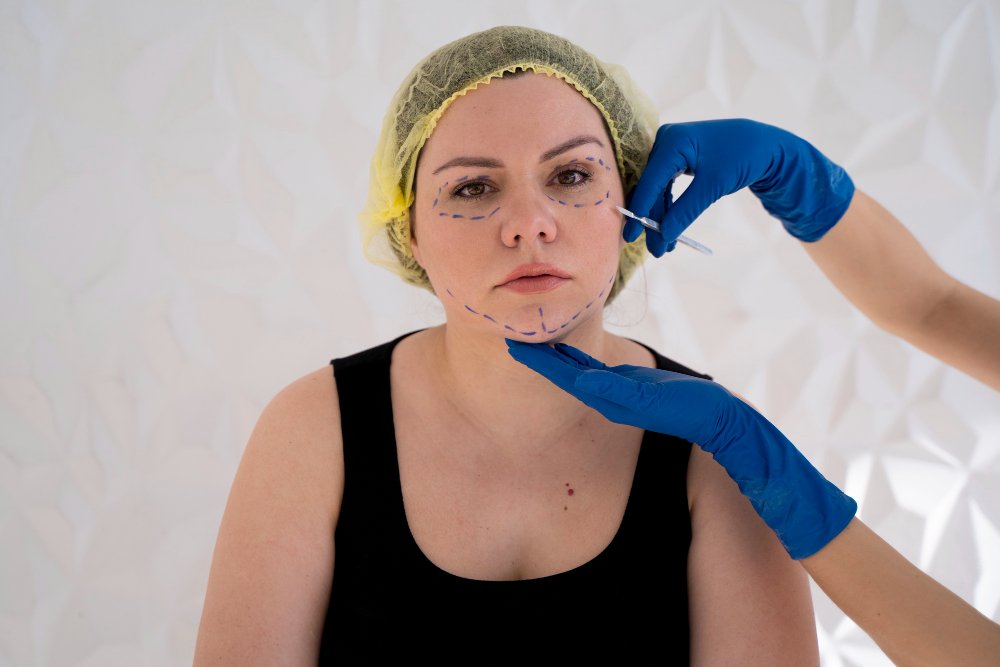
Genioplasty with Chin Implant is a combined surgical procedure designed to correct chin deficiencies, asymmetry, or under-projection. This treatment uses osteotomy (bone repositioning) alongside a custom chin implant to enhance jawline definition, improve facial balance, and create a harmonious profile. South Korea is globally recognized for this surgery due to its advanced 3D imaging, precise surgical planning, and minimally invasive techniques, ensuring natural, long-lasting results with minimal scarring.
Purpose & Benefits
- Corrects chin asymmetry, microgenia, or retrusion
- Enhances jawline and overall facial harmony
- Combines structural bone correction with implant augmentation for precise contouring
- Reduces risk of post-surgical relapse with stable fixation
- Provides long-lasting, durable results compared to non-surgical options
- Improves self-confidence and facial aesthetics
Ideal Candidates
- Individuals with underdeveloped or uneven chins
- Patients seeking both structural correction and augmentation
- Those in good health and with realistic expectations
- People looking for a permanent solution instead of temporary fillers
- Candidates who want improved facial harmony relative to lips, nose, and cheeks
Possible Risks & Complications
- Temporary swelling, bruising, or numbness
- Minor asymmetry or uneven healing
- Rare risk of infection or implant-related complications
- Bone healing issues or delayed recovery in complex cases
- Potential need for revision in select patients
Surgical Techniques Used
- Osteotomy: Precise cutting and repositioning of the chin bone
- Chin Implant Placement: Customized silicone or biocompatible implant for projection and contour
- 3D CT-Guided Planning: Ensures accuracy in bone movement and implant placement
- Fixation Systems: Plates and screws or screwless systems stabilize bone and implant
- Minimally Invasive Incisions: Intraoral approach avoids visible scars
- Soft Tissue Management: Adjusts overlying tissues for smooth, natural contours
Recovery & Aftercare
- Hospital Stay: Often outpatient or 1-night stay
- Swelling/Bruising: Peaks 2–4 days; subsides in 2–3 weeks
- Diet: Soft foods for 1–2 weeks; avoid hard chewing
- Oral Care: Antiseptic mouth rinse if intraoral incision used
- Activity: Light activity from day 1; avoid strenuous exercise for 3–4 weeks
- Follow-Up: Regular monitoring for symmetry and healing
Results & Longevity
- Immediate improvement in chin projection and jawline appearance
- Final results visible after 2–3 months as swelling resolves
- Long-term, stable results with proper healing
- Combines functional and aesthetic enhancement for lasting facial harmony
Treatment Process in Korea
Korea is a top destination for Genioplasty with Chin Implant due to advanced techniques, experienced surgeons, and international patient support.
Step-by-Step Process:
- Initial Consultation: Online or in-person consultation with photos, facial assessment, and preliminary treatment plan
- 3D Imaging & Surgical Simulation: High-resolution CT scans used to plan osteotomy, implant size, and final chin projection
- Preoperative Checks: Lab tests, anesthesia consultation, and overall health screening
- Surgery Day: Performed under general anesthesia; osteotomy is completed, implant placed and secured, and tissue closed using minimal incisions (usually intraoral). Duration: 2–3 hours
- Immediate Recovery: Observation in recovery room, sometimes overnight hospital stay
- Early Follow-Up (Days 3–5): Swelling, incision, and implant position checked; post-op care guidance given
- Suture Removal & Imaging (Week 1–2): Confirms correct bone and implant alignment
- Final Follow-Up & Discharge: Most international patients return home within 7–10 days with remote follow-up support
Why Korea Stands Out:
- High-volume surgeons experienced in genioplasty and implants
- Advanced 3D CT planning ensures precision
- Minimally invasive approaches minimize visible scarring
- Comprehensive support for international patients including translators and recovery guidance
Cost Range
The cost of Genioplasty with Chin Implant in Korea varies depending on complexity, surgeon experience, and implant type.
| Service Component | Cost Range (KRW) | Approx. USD |
|---|---|---|
| 3D Imaging & Simulation | ₩200,000 – ₩500,000 | $150 – $380 |
| Surgical Fee | ₩5,000,000 – ₩12,000,000 | $3,800 – $9,200 |
| Anesthesia & OR Fees | ₩1,000,000 – ₩3,000,000 | $760 – $2,300 |
| Chin Implant & Fixation | ₩1,500,000 – ₩4,000,000 | $1,150 – $3,050 |
| Postoperative Care | ₩200,000 – ₩500,000 | $150 – $380 |
Popular Clinics in Korea
- Banobagi Plastic Surgery: Known for precision genioplasty and implant placement
- ID Hospital: Specialists in structural full-face contouring
- JW Plastic Surgery: Expertise in intraoral osteotomy and implant combination
- View Plastic Surgery: Offers customized implant shaping and fixation
- The Plus Plastic Surgery: Focuses on natural harmony and structural balance


