
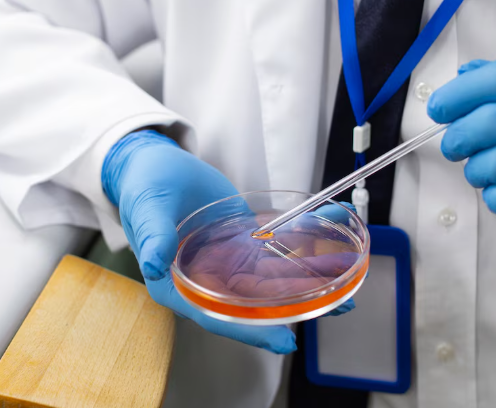
Treatment Overview
Genital Herpes Testing & Treatment in Korea is a specialized medical service designed to detect and manage genital herpes, a common sexually transmitted infection (STI) caused by the herpes simplex virus (HSV). Genital herpes can cause painful sores, discomfort, and emotional distress, and while there is no cure, timely diagnosis and treatment can greatly reduce symptoms, prevent outbreaks, and lower the risk of transmission.
Korea is recognized for its advanced diagnostic laboratories and expert gynecology services, offering accurate HSV testing and effective treatment plans. Clinics integrate the latest diagnostic tools with personalized care, ensuring patients receive precise diagnoses and compassionate treatment in a discreet and supportive environment.
Purpose & Benefits
The purpose of genital herpes testing and treatment is to confirm infection early, manage symptoms, and prevent further spread of the virus. Since genital herpes can be asymptomatic, many people are unaware they carry the virus. Screening helps identify infection before outbreaks occur and enables effective management.
Key benefits include:
- Accurate detection of HSV-1 and HSV-2 infections.
- Reduction in outbreak frequency and severity.
- Relief from symptoms such as sores, itching, and pain.
- Lowered risk of transmitting herpes to partners.
- Comprehensive counseling and emotional support.
By offering testing and treatment together, Korea ensures a complete approach to managing genital herpes and protecting reproductive health.
Ideal Candidates
Genital herpes testing is recommended for:
- Individuals experiencing genital sores, pain, itching, or discomfort.
- People with a partner diagnosed with herpes.
- Those who have had unprotected sexual contact.
- Individuals at high risk for STIs seeking regular sexual health checkups.
- Pregnant women, as untreated herpes can be transmitted to the newborn during delivery.
Korean clinics provide confidential testing services for both symptomatic and asymptomatic individuals, ensuring privacy and comfort.
Possible Risks & Complications
Testing for genital herpes is safe, with only minor risks. Discomfort during swab collection or blood sampling may occur. In some cases, sores may be sensitive, but testing is generally quick and minimally invasive.
Untreated herpes infections can result in:
- Frequent painful outbreaks.
- Psychological distress and reduced quality of life.
- Increased susceptibility to other STIs, including HIV.
- Transmission to sexual partners or newborns during childbirth.
Early testing and treatment significantly reduce these risks and improve quality of life.
Techniques Used
Korea uses advanced testing methods to ensure accurate genital herpes detection:
- Polymerase Chain Reaction (PCR) Testing – detects HSV DNA with high sensitivity and specificity.
- Type-Specific Blood Tests (Serology) – differentiate between HSV-1 and HSV-2 infections.
- Direct Viral Culture – used when sores are present, providing precise results.
- Integrated STI Panels – testing for herpes alongside other STIs for comprehensive sexual health assessment.
These advanced diagnostic tools make Korea a preferred destination for herpes testing.
Recovery & Aftercare
While herpes has no cure, treatment in Korea focuses on managing outbreaks, reducing transmission risk, and improving quality of life. Antiviral medications such as acyclovir, valacyclovir, or famciclovir are prescribed to:
- Shorten outbreak duration.
- Reduce severity of symptoms.
- Lower the frequency of recurrent outbreaks.
- Minimize the risk of spreading the virus.
Patients are advised to:
- Complete the prescribed medication course.
- Avoid sexual contact during outbreaks.
- Inform partners of their HSV status.
- Follow up regularly with their gynecologist for ongoing care.
Aftercare may also include lifestyle advice, emotional support, and counseling to address the psychological impact of herpes.
Results & Longevity
Testing for genital herpes provides clear confirmation of infection and guides tailored treatment plans. While treatment does not eliminate the virus, it effectively controls symptoms and outbreaks over the long term.
With consistent medical care, patients experience fewer outbreaks and lower transmission risks. In Korea, patients are supported with ongoing follow-up and education to maintain long-term sexual and reproductive health.
Treatment Process in Korea
The process for Genital Herpes Testing & Treatment in Korea is patient-focused and confidential:
- Initial consultation to discuss symptoms, history, and risk factors.
- Sample collection — swabs from sores or blood samples for type-specific testing.
- Laboratory analysis using advanced PCR or serological methods.
- Results review and diagnosis by a gynecologist or sexual health specialist.
- Prescription of appropriate antiviral medication.
- Follow-up visits to monitor progress and manage outbreaks.
Why Korea is a leading destination:
- State-of-the-art diagnostic technologies for accurate herpes detection.
- Rapid results with advanced laboratories.
- Confidential and supportive patient care.
- Access to experienced gynecologists and sexual health specialists.
- Comprehensive treatment plans with ongoing follow-up.
Cost Range
The cost of genital herpes testing and treatment in Korea varies:
- Basic herpes testing (serology or swab): ₩150,000 – ₩300,000 KRW ($120–$240 USD).
- Advanced HSV PCR testing: ₩300,000 – ₩500,000 KRW ($240–$400 USD).
- Treatment courses (antiviral medication): ₩50,000 – ₩200,000 KRW ($40–$160 USD), depending on medication and duration.
- Comprehensive sexual health packages with herpes testing: ₩500,000 – ₩900,000 KRW ($400–$700 USD).
Prices typically include consultation, testing, medication, and follow-up care.
Popular Clinics in Korea
Leading providers of Genital Herpes Testing & Treatment include:
- Samsung Medical Center, Seoul – advanced infectious disease diagnostics.
- Asan Medical Center, Seoul – expert in comprehensive sexual health care.
- Severance Hospital, Yonsei University – trusted for confidential STI testing.
- CHA Bundang Women’s Hospital – specialized in gynecologic infectious disease management.
- Ewha Womans University Medical Center – discreet and professional herpes testing services.
- Private sexual health clinics in Gangnam – offering fast, confidential, and patient-centered care for locals and international patients.


