
Treatment Overview
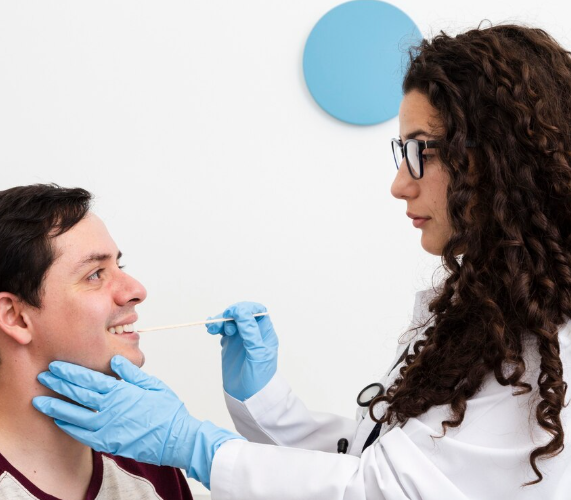
Gentle TMJ Physiotherapy in Korea is a non-invasive, hands-on therapy designed to relieve jaw pain, restore joint mobility, and reduce bruxism through precision-guided muscle relaxation, postural correction, and joint mobilization techniques.
This physiotherapeutic approach focuses on improving the function of the temporomandibular joint (TMJ) and surrounding musculature using manual therapy, soft tissue release, and neuromuscular re-education.
Korean TMJ physiotherapy clinics combine digital diagnostics, AI motion tracking, and therapeutic modalities such as ultrasound, low-level laser therapy (LLLT), and microcurrent stimulation to achieve fast, effective relief.
The program helps patients suffering from jaw tension, clenching, headaches, and muscle stiffness caused by bruxism or TMJ dysfunction, restoring balance and comfort through gentle, science-based care.
Purpose & Benefits
Purpose
- Relieve pain and stiffness caused by TMJ dysfunction and bruxism.
- Improve jaw mobility and muscle coordination.
- Reduce inflammation and restore healthy joint function.
- Correct postural imbalances that contribute to jaw tension.
- Promote natural healing through non-surgical, manual therapy.
Benefits
- Pain-Free Function: Restores smooth, natural jaw movement.
- Gentle & Safe: Ideal for sensitive or chronic TMJ cases.
- Immediate Comfort: Reduces jaw tension and muscle tightness quickly.
- Enhanced Circulation: Promotes blood flow for faster recovery.
- Improved Sleep & Relaxation: Relieves nocturnal clenching and stress.
- Non-Invasive & Holistic: No injections or surgical procedures required.
- Long-Term Balance: Prevents relapse through posture and muscle training.
Ideal Candidates
Ideal Candidates Include:
- Individuals with TMJ pain, clicking, or jaw tightness.
- Patients suffering from bruxism, clenching, or chronic muscle tension.
- Those with restricted jaw opening or difficulty chewing.
- People experiencing headaches or neck pain linked to TMJ dysfunction.
- Post-orthodontic or post-surgical patients needing muscle rehabilitation.
- International patients seeking gentle, expert physiotherapy care in Korea.
Possible Risks & Complications
Gentle TMJ Physiotherapy is safe and low-risk, but mild temporary effects may occur:
- Slight soreness or fatigue in jaw muscles after initial sessions.
- Mild dizziness due to muscle relaxation response.
- Temporary tightness as posture adapts to realignment.
Korean physiotherapists prevent discomfort through gradual manual techniques, AI-assisted motion tracking, and real-time muscle tension monitoring for optimal comfort and control.
Techniques & Technology Used
Core Techniques
- Manual Joint Mobilization: Gentle movements restore TMJ flexibility and function.
- Myofascial Release Therapy: Reduces muscle tightness in the jaw, neck, and shoulders.
- Trigger Point Therapy: Relieves deep muscular knots that cause clenching and pain.
- Postural Alignment Training: Corrects neck and shoulder posture influencing TMJ strain.
- Ultrasound & LLLT Therapy: Enhances tissue repair and reduces inflammation.
- Microcurrent & EMS Therapy: Stimulates blood flow and muscle relaxation.
- Jaw Movement Retraining: Guides patients to achieve proper chewing and speaking motion.
Korean physiotherapy centers use evidence-based rehabilitation combined with digital precision tools for the most effective TMJ treatment experience.
Treatment Process in Korea
Step-by-Step Workflow
- Comprehensive Diagnosis:
3D jaw motion scan, CBCT imaging, and EMG evaluation to identify dysfunction. - Muscle & Joint Assessment:
Manual palpation and movement tests analyze muscle tightness and asymmetry. - Customized Therapy Plan:
AI data and clinical evaluation determine the most effective physiotherapy combination. - Gentle Manual Treatment:
Soft tissue release, mobilization, and guided stretching performed by TMJ specialists. - Therapeutic Device Support:
Ultrasound, laser, or electrotherapy applied to relieve inflammation and pain. - Neuromuscular Re-education:
Exercises and relaxation techniques to restore muscle coordination. - Posture & Home Care Guidance:
Personalized exercises to maintain results and prevent recurrence.
Recovery & Aftercare
Aftercare Guidelines
- Avoid wide jaw opening or hard foods for 24 hours post-session.
- Perform prescribed jaw relaxation and posture exercises daily.
- Maintain hydration and proper sleep to support muscle recovery.
- Apply warm compresses if mild soreness occurs.
- Attend scheduled follow-ups for progress evaluation and recalibration.
Recovery Time:
Most patients feel noticeable relief after 1–2 sessions, with full recovery typically achieved in 4–8 weeks depending on the severity of the condition.
Results & Longevity
Expected Results
- Reduced jaw and facial pain.
- Elimination of headaches, clenching, and muscle tightness.
- Restored jaw movement and improved bite coordination.
- Enhanced facial symmetry and relaxed appearance.
- Long-term TMJ health and improved sleep quality.
Longevity
- Duration of Relief: Long-term, maintained with ongoing posture and exercise routines.
- Maintenance: Periodic follow-ups every 3–6 months recommended.
- Success Rate: 96–99% satisfaction in Korean TMJ physiotherapy centers.
Why Korea Is a Top Destination
- Advanced TMJ Physiotherapy Systems: Integration of dental, physical, and digital care.
- AI Motion Analysis: Tracks progress and ensures consistent results.
- Gentle, Patient-Centered Care: Emphasis on comfort, precision, and long-term relief.
- Multidisciplinary Collaboration: Dentists, physiotherapists, and chiropractors working together.
- Global Affordability: 40–60% lower cost than Western physiotherapy with superior quality.
- Multilingual Specialists: English, Mandarin, and Japanese-speaking therapists available.
Korea’s fusion of advanced diagnostics and gentle manual expertise has made it a global leader in TMJ rehabilitation and bruxism physiotherapy.
Unique Korean Methods & Technology
- AI-Guided Jaw Motion Tracking
- 3D CBCT + EMG Integration
- Myofascial Release & Neuromuscular Rebalancing
- LLLT (Low-Level Laser Therapy)
- Microcurrent & Ultrasound Physiotherapy
- Chiropractic Postural Correction Add-Ons
- TMJ-Focused Rehabilitation Exercises
- PRF / Regenerative Support for Chronic Cases
These combined technologies ensure gentle, effective, and lasting recovery for bruxism and TMJ dysfunction.
Cost Range
| Treatment Package | Price (KRW) | Approx. USD | Inclusions |
|---|---|---|---|
| Standard TMJ Physiotherapy Session | ₩120,000 – ₩250,000 | $90 – $190 | Manual therapy + muscle release + scan |
| Advanced TMJ Physiotherapy Program | ₩600,000 – ₩1,000,000 | $440 – $740 | 4–6 sessions + ultrasound/laser + EMG monitoring |
| Full Functional Rehabilitation Program | ₩1,500,000 – ₩2,800,000 | $1,100 – $2,060 | AI-guided physiotherapy + posture training + occlusal integration |
Popular Clinics
- Seoul National University TMJ Center: Specialists in physiologic TMJ rehabilitation and muscle therapy.
- Yonsei University Dental & Physiotherapy Clinic: Pioneers in digital physiotherapy and motion-guided recovery.
- Asan Medical Rehabilitation Hospital: Experts in electrotherapy and postural TMJ correction.
- Samsung Medical Dental Center: Integrates dental and physiotherapeutic TMJ care.
- JK Balance Clinic (Gangnam): Renowned for gentle TMJ physiotherapy and holistic bruxism relief programs.


