
Treatment Overview
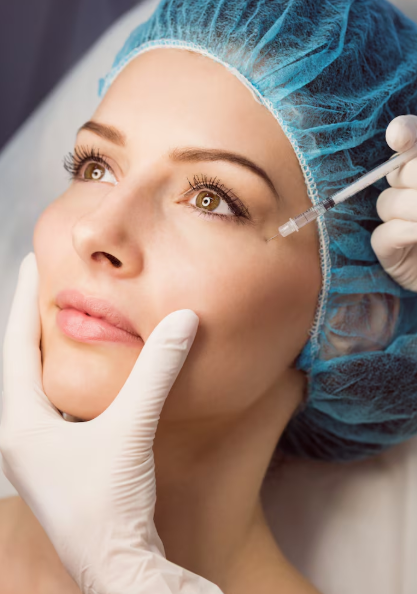
Glass Skin Botox is performed by injecting diluted Botox across multiple micro-points in the dermis (the upper layers of the skin). Instead of paralyzing muscles, this technique enhances skin quality, improving tone, texture, and hydration.
It is often combined with other dermatology treatments in Korea, such as skin boosters, laser toning, or cryo facials, for even more dramatic radiance and anti-aging effects.
Purpose and Benefits
- Pore Tightening: Shrinks enlarged pores, giving a flawless finish.
- Sebum Control: Reduces excess oil, ideal for oily or acne-prone skin.
- Wrinkle Softening: Smooths fine lines on the surface of the skin.
- Texture Refinement: Creates silky, even, baby-like skin.
- Radiance Boost: Restores glow and clarity for the “glass skin” look.
- Sweat Reduction: Helps reduce facial sweating for those with hyperhidrosis.
- Preventive Anti-Aging: Prevents early fine lines from deepening.
Ideal Candidates
- Adults with enlarged pores, oily skin, or uneven texture.
- Individuals noticing fine lines, early wrinkles, or mild sagging.
- Patients who want natural radiance without heavy Botox.
- Those looking for a pre-event glow-up with immediate visible results.
- Anyone aiming to achieve the glass skin aesthetic popular in K-Beauty.
Possible Risks and Complications
- Very safe when performed by Korean dermatologists.
- Mild redness, swelling, or pinpoint marks at injection sites (fade within 1–2 days).
- Temporary tightness in the skin for a few days.
- Rare allergic reaction or uneven texture if improperly injected.
- No downtime or long-term complications when performed correctly.
Surgical Techniques Used
- Micro-Botox Injections: Tiny doses injected into superficial dermis using ultra-fine needles.
- Diluted Toxin Formula: Botox mixed with saline or skin boosters for gentle diffusion.
- Full-Face Coverage: Applied across cheeks, forehead, nose, and chin for even refinement.
- Customized Treatment Mapping: Dermatologists adjust injection depth and amount to target pores, oil, and fine lines.
- Combination Enhancements: Often paired with hyaluronic acid boosters, exosome therapy, or laser toning for enhanced glow.
Recovery and Aftercare
- Immediately After: Small injection marks or redness, usually gone within 24 hours.
- 1–3 Days: Skin begins to feel tighter and smoother.
- 1–2 Weeks: Pore size visibly reduced, skin texture becomes clearer, glow intensifies.
- Downtime: Minimal, patients can resume daily life right away.
Aftercare Tips
- Avoid makeup, saunas, and strenuous exercise for 24 hours.
- Apply gentle hydrating creams and sunscreen.
- Avoid harsh exfoliants or retinol for 3–5 days.
- Follow dermatologist’s recommended skincare for maintenance.
Results and Longevity
- Immediate: Fresher, clearer skin within days.
- Short-Term (1–2 Weeks): Glass skin appearance—smooth, radiant, poreless finish.
- Medium-Term (3–5 Months): Oil control, reduced wrinkles, sustained glow.
- Long-Term: Regular treatments maintain glass skin and prevent aging progression.
Treatment Process in Korea
- Consultation and Skin Analysis
Dermatologist evaluates pores, oil levels, wrinkles, and texture. - Preparation
Double cleansing, followed by numbing cream if needed. - Micro-Botox Injection Session
Dozens of tiny injections applied across the face using ultra-fine needles. - Soothing Care
Cooling mask or cryotherapy applied to reduce redness and speed recovery. - Post-Treatment Guidance
Patients receive personalized aftercare instructions. - Follow-Up Plan
Maintenance every 3–6 months recommended for best results.
Why Korea is a Top Destination
- Pioneers of Skin Botox and Glass Skin Botox techniques.
- World-class dermatologists skilled in micro-injection artistry.
- Integration with K-Beauty anti-aging packages like skin boosters, fillers, and lasers.
- More affordable than Western clinics while offering luxury service quality.
- Clinics in Seoul provide international support and customized treatment plans.
Cost Range
The cost of Glass Skin Botox in Korea depends on the brand of Botox, clinic reputation, and whether additional treatments are included.
- Partial Area Treatment (cheeks or forehead only): USD 120$ – 180$
- Full-Face Glass Skin Botox: USD 200$ – 400$
- Premium Package (Botox plus skin boosters or cryo care): USD 500$ – 900$
- Three-Session Packages: USD 800$ – 1500$ total
- Luxury Anti-Aging Programs: USD 2000$ – 3500$, combining Botox with laser, fillers, and holistic rejuvenation therapies
Additional Costs
- Dermatology consultation: USD 20$ – 70$
- Aftercare skincare (hydrating ampoules, SPF, anti-aging serums): USD 50$ – 200$
Popular Clinics in Korea
- Gangnam Dermatology Clinics – Specialists in Glass Skin Botox and pore refinement.
- Banobagi Dermatology Seoul – Premium skin Botox and glow-up programs.
- Oracle Skin Clinic (Nationwide) – Affordable, foreigner-friendly skin Botox packages.
- View Clinic Seoul – Combines Glass Skin Botox with skin boosters and exosomes.
- Chaum Wellness Center Seoul – Luxury anti-aging Botox programs with wellness integration.


