
Treatment Overview
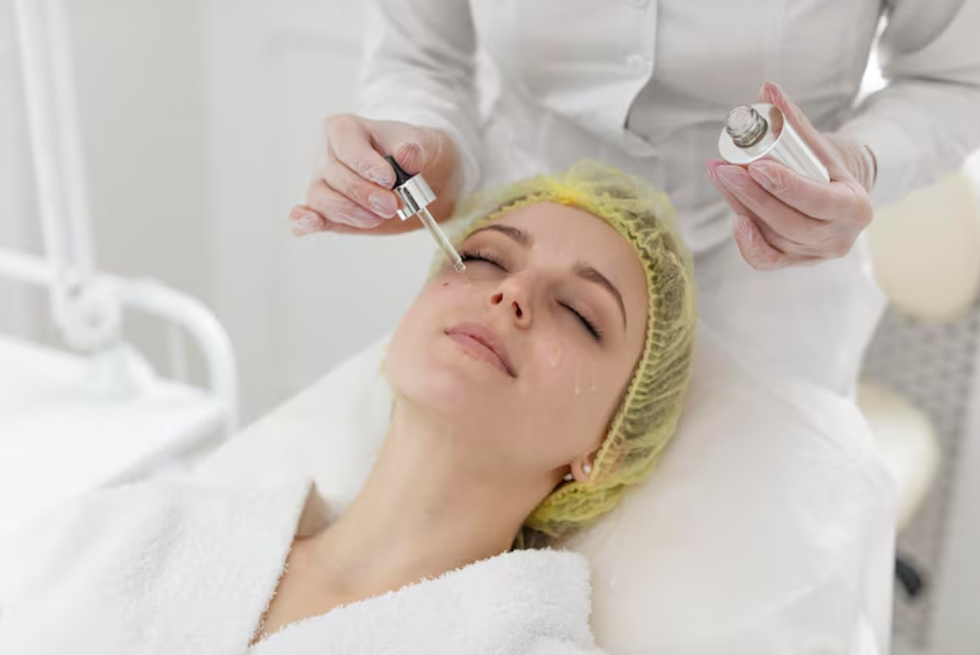
Filorga MTS (Microneedle Therapy System) is a rejuvenating skin booster treatment that combines microneedling with the infusion of Filorga NCTF 135HA—a premium French-made polyrevitalizing solution. This powerful cocktail contains over 50 active ingredients, including hyaluronic acid, vitamins, minerals, amino acids, nucleic acids, and antioxidants. When delivered into the dermis through microneedling, it stimulates cellular regeneration, restores hydration, improves skin tone, and enhances elasticity.
In Korea, Filorga MTS has gained popularity as an anti-aging and glow-enhancing therapy. Dermatologists integrate it with advanced microneedling devices for precise delivery, often combining it with other boosters or RF microneedling to maximize lifting, firming, and radiance.
Purpose & Benefits
- Deep Hydration: High concentration of hyaluronic acid replenishes moisture.
- Anti-Aging: Reduces fine lines, wrinkles, and early sagging.
- Collagen Stimulation: Encourages long-term firmness and elasticity.
- Skin Brightening: Vitamins and antioxidants even out tone and improve glow.
- Cellular Repair: Amino acids and minerals support healthy skin function.
- Pore Refinement & Texture Improvement: Leaves skin smoother and more refined.
- Long-Lasting Radiance: Produces the signature “glass skin” effect Korea is known for.
Ideal Candidates
- Adults experiencing early to moderate signs of aging.
- Individuals with dull, dehydrated, or uneven skin tone.
- Patients seeking hydration, glow, and firmness in one treatment.
- Men and women who prefer non-surgical rejuvenation with natural results.
- Those interested in premium booster therapies with proven safety and efficacy.
Possible Risks & Complications
- Temporary redness, swelling, or pinpoint bleeding from microneedling.
- Mild tightness, dryness, or flaking in the first few days.
- Small risk of post-inflammatory pigmentation if sunscreen is neglected.
- Rare allergic reaction to ingredients in the Filorga solution (patch test recommended).
- Minimal infection risk if aftercare is not followed.
Techniques Used
- Microneedling Device: Adjustable depth (0.25–1.5 mm) to deliver Filorga solution.
- Filorga NCTF 135HA Infusion: A cocktail of HA, vitamins, minerals, nucleic acids, and antioxidants.
- Targeted Delivery: Focused passes over areas prone to wrinkles or dullness.
- Multi-Session Protocol: Designed as a series of treatments for optimal results.
- Combination Options: Sometimes paired with PRP, exosome boosters, or RF microneedling.
Recovery & Aftercare
- Day 1–2: Redness and slight swelling (sunburn-like sensation).
- Day 3–5: Skin feels tighter, hydrated, and refreshed.
- 1–2 Weeks: Glow and elasticity improvement become visible.
Aftercare Guidelines:
- Avoid makeup, sauna, and alcohol for 24–48 hours.
- Use hydrating serums and soothing creams.
- Apply broad-spectrum sunscreen daily.
- Skip harsh exfoliation for 5–7 days.
- Follow clinic’s booster care plan for long-term benefits.
Results & Longevity
- Immediate hydration and brightness within days.
- Progressive anti-aging improvements over 2–4 weeks.
- Results typically last 4–6 months, longer with maintenance.
- Best outcomes with a protocol of 3–5 sessions, spaced 2–4 weeks apart.
Treatment Process in Korea
1. Consultation & Skin Analysis
- Dermatologist examines hydration, elasticity, and pigmentation.
- Customized treatment plan based on patient’s needs.
2. Procedure Day
- Numbing cream applied.
- Microneedling performed with Filorga infusion.
- Session length: 45–60 minutes.
3. Post-Treatment Soothing
- Cooling mask or LED light therapy applied.
- Minimal downtime; patients return to routine quickly.
4. Follow-Up & Maintenance
- 3–5 initial sessions recommended.
- Maintenance every 6 months to preserve results.
Why Korea is a Top Destination
- Korean dermatologists integrate premium European boosters like Filorga with cutting-edge microneedling devices.
- Treatments emphasize natural glow, hydration, and elasticity—key elements of Korean beauty.
- Clinics offer personalized serum combinations with Filorga for specific skin goals.
- Competitive costs compared to Western clinics, with world-class expertise.
- Seoul clinics are international-friendly with English-speaking staff and VIP care options.
Cost Range
Prices for Filorga MTS in Korea vary depending on clinic reputation, package size, and whether it’s combined with other boosters:
- Single Filorga MTS Session: ₩250,000 – ₩450,000 (~USD $190–$340).
- 3-Session Package: ₩700,000 – ₩1,200,000 (~USD $530–$900).
- Premium Protocol (Filorga + PRP or Exosomes): ₩1,500,000 – ₩2,500,000 (~USD $1,100–$1,900 for 3–5 sessions).
- Consultation & Skin Imaging: ₩30,000 – ₩70,000 (~USD $20–$50).
- Aftercare Products (SPF, serums): ₩50,000 – ₩150,000 (~USD $40–$120).
💡 Most Korean clinics offer package deals, making multi-session treatments the best value.
Popular Clinics
- Banobagi Plastic Surgery (Seoul): Known for premium skin booster therapies like Filorga.
- ID Dermatology (Seoul): Experts in anti-aging and glow protocols.
- View Clinic (Seoul): Offers customized Filorga MTS treatments for brightening and firmness.
- JW Plastic Surgery (Seoul): Premium aesthetic care with advanced MTS systems.
- Oracle Skin Clinic (Nationwide): Affordable, accessible, and international-friendly.
✨ Filorga MTS in Korea is ideal for anyone seeking a luxurious, scientifically backed booster that delivers deep hydration, anti-aging benefits, and a luminous glow. Combining French biotechnology with Korean expertise, it’s one of the most effective ways to achieve timeless, radiant skin.
Would you like me to also prepare a comparison chart between Filorga MTS vs. Aqua Shine Injection vs. Derma Shine Balance, so patients can see how each skin booster differs in focus and results?
You said:
write this Glutathione Whitening MTS
ChatGPT said:
Got it ✅ Here’s a Glutathione Whitening MTS write-up in the same structured, professional blog style as your other treatment posts (without “in Korea” this time, unless you want it added later).
Glutathione Whitening MTS
Treatment Overview
Glutathione Whitening MTS (Microneedle Therapy System) is a skin-rejuvenating and brightening treatment that combines microneedling with the infusion of glutathione, a powerful antioxidant recognized for its skin-lightening, anti-aging, and detoxifying properties. Microneedling creates controlled microchannels in the skin, allowing glutathione and other active ingredients—such as vitamin C, hyaluronic acid, or tranexamic acid—to penetrate deeply and act more effectively.
This treatment is especially popular among those seeking to achieve a clearer, brighter complexion, reduce pigmentation, and restore youthful radiance, all while improving skin elasticity and hydration.
Purpose & Benefits
- Skin Whitening & Brightening: Suppresses melanin activity for a lighter, clearer complexion.
- Pigmentation Reduction: Effective against melasma, dark spots, acne scars, and sun damage.
- Powerful Antioxidant Protection: Neutralizes free radicals, slowing visible aging.
- Collagen & Elastin Stimulation: Improves skin firmness and reduces wrinkles.
- Texture Refinement: Minimizes pores and smooths uneven skin texture.
- Youthful Glow: Restores clarity and brightness to dull, tired skin.
Ideal Candidates
- Individuals with uneven skin tone, melasma, or hyperpigmentation.
- Patients with dull or sallow skin lacking radiance.
- Adults looking for non-surgical whitening and anti-aging options.
- Men and women who want to address dark spots and sun-related pigmentation.
- Those willing to commit to sun protection and follow-up care.
Possible Risks & Complications
- Temporary redness, swelling, or pinpoint bleeding after microneedling.
- Mild tightness, dryness, or flaking for a few days.
- Small chance of post-inflammatory hyperpigmentation if proper sun care is ignored.
- Rare allergic reaction to glutathione or booster ingredients.
- Slight infection risk if aftercare instructions are not followed.
Techniques Used
- Microneedling Device: Adjustable depth (0.25–1.5 mm) to create precise microchannels.
- Glutathione Infusion: Delivered directly into the dermis for optimal brightening.
- Booster Cocktails: May include vitamin C, tranexamic acid, PDRN, or hyaluronic acid for enhanced effects.
- Targeted Application: Focused on pigmentation-prone areas for better whitening results.
- Optional Combination Therapy: Often paired with PRP, laser toning, or LED light to maximize outcomes.
Recovery & Aftercare
- Day 1–2: Redness and slight swelling (similar to a mild sunburn).
- Day 3–5: Brighter, more hydrated skin becomes noticeable.
- 1–2 Weeks: Pigmentation begins to fade, and the glow improves.
Aftercare Guidelines:
- Avoid makeup, sauna, and alcohol for 24–48 hours.
- Use gentle cleansers and hydrating creams/serums.
- Apply broad-spectrum sunscreen daily to protect whitening effects.
- Skip exfoliation for at least 5–7 days.
- Stay consistent with follow-up treatments for lasting improvement.
Results & Longevity
- Immediate hydration and glow within days.
- Pigmentation and discoloration visibly lighten within 2–4 weeks.
- Results generally last 4–6 months, with stronger whitening seen after a full treatment course.
- Best outcomes achieved with 3–5 sessions spaced 4–6 weeks apart.
- Long-term maintenance every 6–12 months preserves brightness and clarity.
Treatment Process
1. Consultation & Assessment
- Skin tone and pigmentation concerns evaluated.
- Customized glutathione-based serum plan created.
2. Treatment Session
- Skin cleansing and numbing cream applied.
- Microneedling performed while glutathione serum is infused.
- Session lasts 40–60 minutes.
3. Post-Treatment Soothing
- Cooling mask or LED therapy applied to calm redness.
- Patients resume daily life with minimal downtime.
4. Follow-Up & Maintenance
- 3–5 initial sessions recommended.
- Maintenance every 6–12 months for long-term results.
Cost Range (General Estimate)
- Single Glutathione MTS Session: $150 – $300.
- 3-Session Whitening Package: $450 – $800.
- Premium Packages (with PRP, exosomes, or vitamin cocktails): $1,000 – $2,000.
- Additional Costs: $30–$50 for consultation; $40–$100 for aftercare products (serums/SPF).


