
Treatment Overview
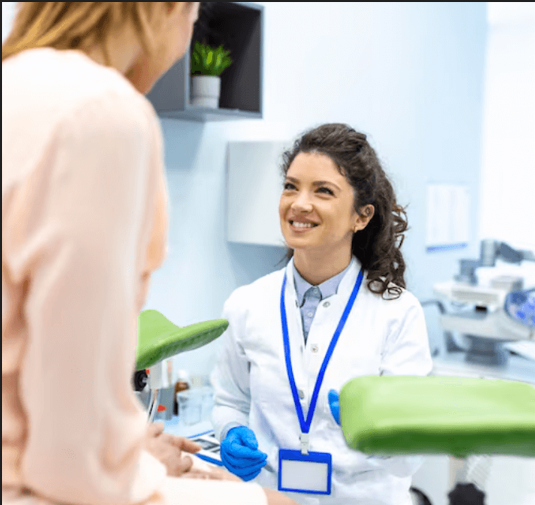
Gynecologist-led IUD care in Korea is a comprehensive service where experienced women’s health specialists manage all aspects of intrauterine device (IUD) contraception — from consultation and insertion to removal and follow-up care. This service ensures high medical precision, patient safety, and personalized reproductive health planning.
Korean gynecology clinics are known for their advanced medical technology, meticulous procedural protocols, and patient-focused care. Gynecologist-led IUD care ensures not only accurate device placement but also ongoing monitoring of reproductive health, making it a trusted choice for women seeking safe, effective, and informed contraceptive solutions.
Purpose & Benefits
The purpose of gynecologist-led IUD care is to provide safe, effective, and comprehensive contraceptive services under expert supervision.
Key benefits include:
- Personalized contraceptive advice based on medical history and reproductive goals.
- Accurate, sterile, and safe IUD insertion and removal procedures.
- Continuous monitoring and follow-up for optimal device performance.
- Comprehensive education on usage, potential side effects, and fertility considerations.
- Peace of mind knowing care is provided by a specialist in women’s health.
Korean gynecologists ensure the IUD process is both medically precise and tailored to each patient’s needs.
Ideal Candidates
Gynecologist-led IUD care is ideal for women who:
- Desire expert guidance for long-term contraceptive use.
- Want a personalized contraceptive plan based on thorough assessment.
- Require a medical professional for insertion or removal.
- Prefer comprehensive follow-up care for reproductive health.
- Have special health considerations requiring gynecologist oversight.
Korean clinics conduct in-depth evaluations to ensure every patient receives optimal care throughout the IUD process.
Possible Risks & Complications
IUD care under gynecologist supervision is generally very safe, but may involve minor risks:
- Cramping or discomfort during and after insertion.
- Spotting or changes in menstrual cycles.
- Rare expulsion of the device or uterine perforation.
- Temporary hormonal changes (for hormonal IUDs).
Gynecologist-led care reduces risk by combining careful assessment, sterile procedures, and patient-specific follow-up plans.
Techniques Used
Gynecologist-led IUD care in Korea includes:
- Detailed consultations and medical assessments before any procedure.
- Ultrasound-guided insertion and removal for accuracy and safety.
- Minimally invasive techniques to reduce discomfort.
- Sterile procedural protocols to prevent infection.
- Patient education and contraceptive counseling for informed decision-making.
These methods ensure the highest safety, comfort, and contraceptive effectiveness.
Recovery & Aftercare
Recovery from gynecologist-led IUD care is typically smooth:
- Mild cramping or spotting may last for several days after insertion.
- Normal activities can resume soon after the procedure.
- Follow medical advice regarding activity restrictions and contraception.
- Attend follow-up appointments for device check-up and health monitoring.
Korean clinics offer clear aftercare instructions and ongoing support to ensure optimal reproductive health.
Results & Longevity
Gynecologist-led IUD care provides reliable contraception with proven effectiveness for 3–10 years depending on the type of IUD.
Patients benefit from peace of mind knowing they have continuous professional oversight, including guidance for device removal or replacement when needed.
Regular follow-ups ensure ongoing reproductive health and contraceptive success.
Treatment Process in Korea
Gynecologist-led IUD care in Korea follows a structured process:
- Initial Consultation: Comprehensive discussion of medical history, menstrual cycle, and contraceptive goals.
- Medical Assessment: Pelvic examination and ultrasound to determine suitability.
- Procedure: Safe and precise insertion or removal of IUD by a specialist.
- Aftercare Guidance: Instructions for recovery and spotting management.
- Follow-Up Care: Regular check-ups to ensure optimal device performance and reproductive health.
Korea’s gynecologist-led model emphasizes patient privacy, medical precision, and individualized care.
Cost Range
Costs for gynecologist-led IUD care in Korea vary:
- Initial Consultation: ₩50,000 – ₩120,000 (USD 40–90)
- IUD Device: ₩150,000 – ₩500,000 (USD 110–375)
- Procedure (Insertion or Removal): ₩100,000 – ₩200,000 (USD 75–150)
- Full Gynecologist-Led IUD Care Package: ₩300,000 – ₩800,000+ (USD 220–600+)
Most clinics offer transparent pricing that includes consultation, procedure, and follow-up care.
Popular Clinics
- CHA Women’s Medical Center (Seoul) – Specializes in gynecologist-led contraceptive care with advanced technology.
- Maria Fertility Hospital – Offers personalized, expert-guided IUD services.
- Seoul Women’s Clinic – Known for discreet, patient-focused contraceptive care.
- MizMedi Women’s Hospital – Equipped for precise IUD insertion and removal under specialist supervision.
- Gyna Seoul Clinic – Provides comprehensive gynecologist-led contraception services tailored to each patient’s needs.
These clinics exemplify Korea’s reputation for safe, expert-led, and patient-centered reproductive healthcare, making them a top choice for IUD services.


