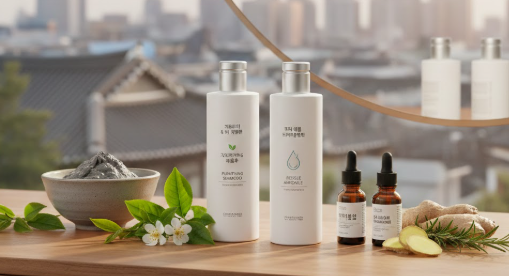
Combination Therapy for Oily Scalp & Dandruff in Korea
Treatment Overview Oily scalp and dandruff often occur together, as excessive sebum production can worsen flaking and scalp irritation. In Korea, combination therapy is a

Treatment Overview Oily scalp and dandruff often occur together, as excessive sebum production can worsen flaking and scalp irritation. In Korea, combination therapy is a

Treatment Overview An oily scalp occurs when sebaceous glands produce excessive sebum, leading to greasy hair, dandruff, and sometimes irritation or acne. In Korea, scalp
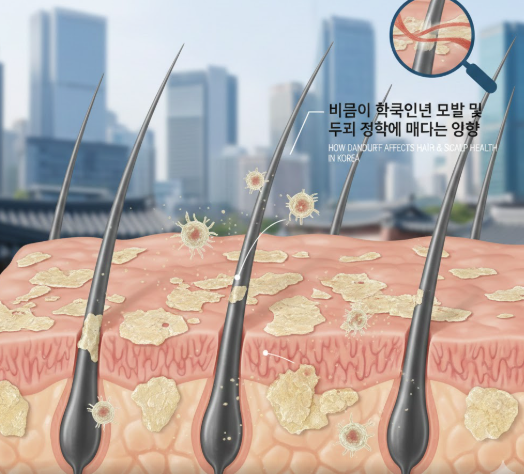
Treatment Overview Dandruff is one of the most common scalp conditions worldwide and can affect anyone regardless of age or hair type. It occurs when
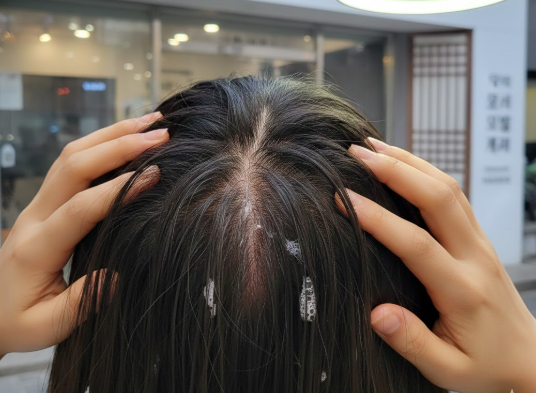
Treatment Overview Oily scalp occurs when sebaceous glands overproduce sebum, leading to greasy hair, dandruff, and sometimes scalp irritation or hair thinning. In Korea, advanced
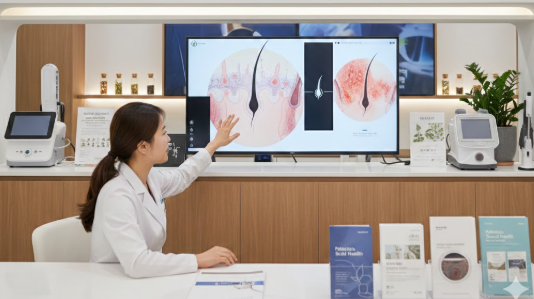
Folliculitis and scalp infections are common conditions that can cause itching, redness, pustules, and hair thinning. If left untreated, these infections can become chronic and

Folliculitis is a common scalp condition that can occur before or after hair transplant procedures, potentially affecting hair follicle health, hair density, and transplant outcomes.
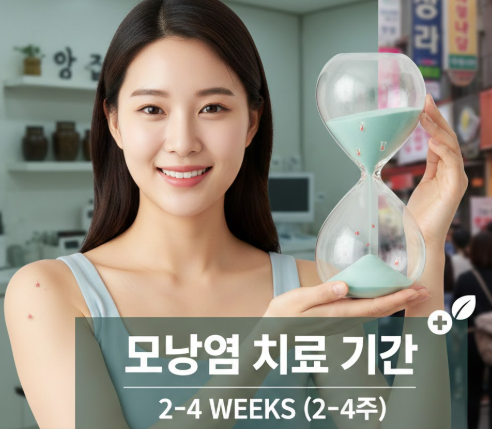
Folliculitis is an inflammation or infection of the hair follicles that can cause red bumps, pustules, itching, and hair shedding. The duration of treatment depends
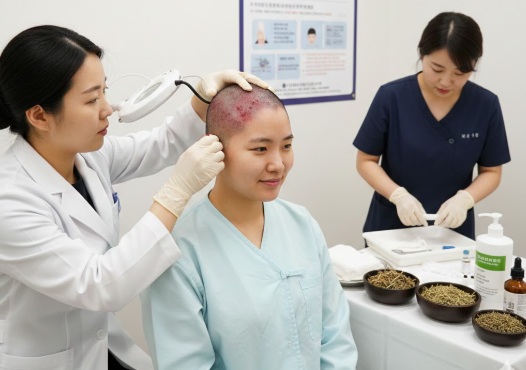
Factors That Influence Cost Example Price Ranges Item Cost Estimate First Dermatologist Consultation ₩50,000 Scalp Analysis ₩50,000 – ₩150,000 Herbal Medicine (Folliculitis) ₩297,000 – ₩480,000

Folliculitis, caused by bacterial, fungal, or inflammatory infections of the hair follicles, can lead to itching, redness, pustules, and hair loss. While medications are effective,

Folliculitis is a common scalp condition caused by bacterial, fungal, or inflammatory infections of the hair follicles. Even after successful treatment, it can recur if

Folliculitis and scalp infections can be uncomfortable and affect both scalp health and hair growth. While professional treatment is essential, home care plays a critical
Postpartum women often experience hormonal changes, stress, and immune fluctuations that can increase the risk of scalp infections and folliculitis. These conditions may cause itching,

Folliculitis, an inflammation or infection of hair follicles, can affect both men and women. However, the presentation, causes, and treatment approaches can differ based on
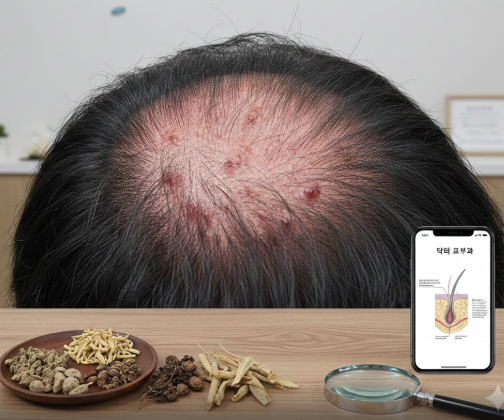
Folliculitis and scalp infections are common scalp disorders that can affect hair health, cause discomfort, and sometimes lead to hair loss. These conditions arise from
Scalp infections, including bacterial, fungal, and inflammatory conditions, can significantly impact hair and scalp health. They may lead to itching, redness, pustules, hair thinning, and
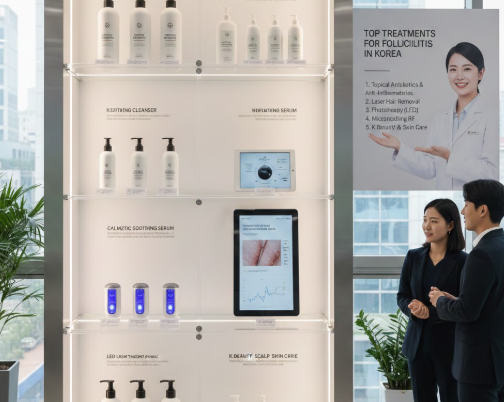
Folliculitis is a common scalp condition caused by inflammation or infection of the hair follicles. It can result in redness, pustules, itching, and even hair

Folliculitis and scalp infections are common dermatological issues that can affect hair follicles, scalp health, and overall comfort. Untreated, these conditions can lead to itching,
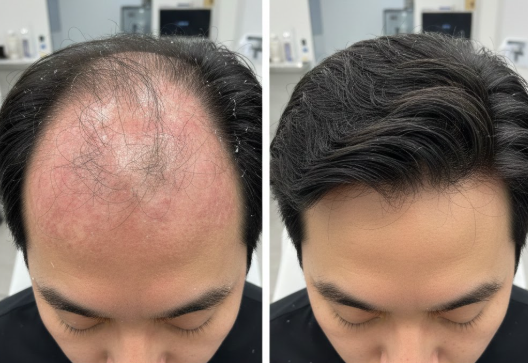
Scalp psoriasis treatment in Korea is highly advanced, combining medical therapies, scalp detox, and natural approaches. However, successful treatment is only the first step. Maintaining

Scalp psoriasis and hair transplant procedures often intersect, as psoriasis can affect scalp health, hair growth, and transplant outcomes. In Korea, advanced dermatology and hair
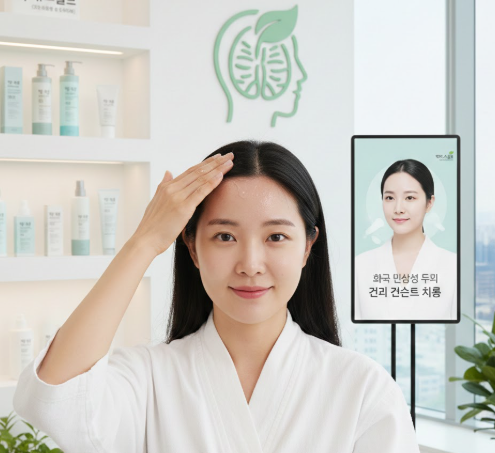
Scalp psoriasis is a chronic inflammatory condition affecting the scalp, causing itching, flaking, redness, and discomfort. Korea has become a leading destination for scalp psoriasis

Scalp psoriasis is a chronic skin condition that can affect hair follicles, scalp health, and overall comfort. Many patients traveling to Korea for treatment ask

Scalp psoriasis treatments in Korea are highly advanced, combining topical therapy, laser treatments, phototherapy, systemic medications, and scalp care programs. While these treatments are generally
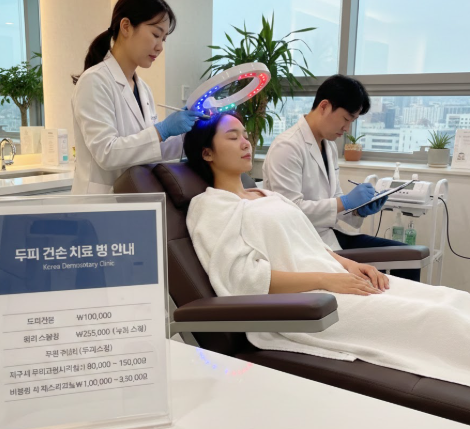
Typical Cost Components Factors That Influence Cost Example Cost Ranges Treatment Plan Estimated Cost Mild / Moderate (topical + scaling) ₩100,000 – ₩300,000+ over a
Scalp psoriasis can lead to thick plaques, itching, and flaking that interfere with scalp health and hair growth. While topical and systemic treatments manage inflammation,
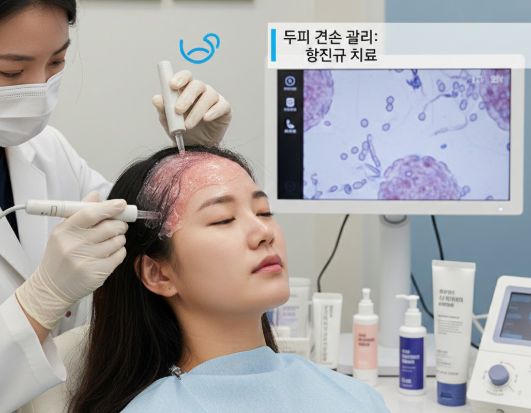
Scalp psoriasis is a chronic skin condition characterized by inflammation, scaling, and itching. While the root cause is primarily autoimmune, secondary fungal overgrowth can exacerbate
Scalp psoriasis can be particularly challenging for individuals with sensitive skin. Harsh shampoos, aggressive treatments, or strong topical medications can worsen irritation, redness, and itching.
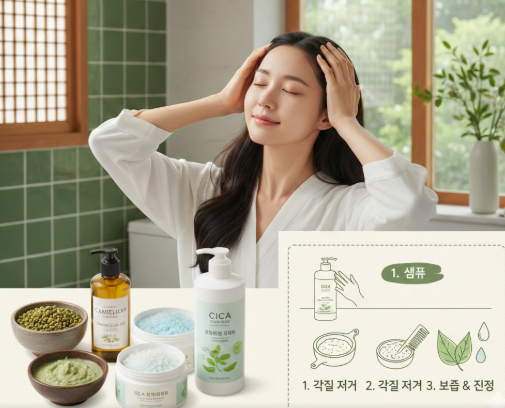
Scalp psoriasis is a chronic inflammatory condition that requires ongoing management. While professional treatments in Korea’s advanced dermatology clinics provide effective relief, home care plays
Postpartum women often experience hormonal fluctuations that can trigger or worsen scalp psoriasis. The condition can cause redness, scaling, itching, and discomfort, affecting both hair