
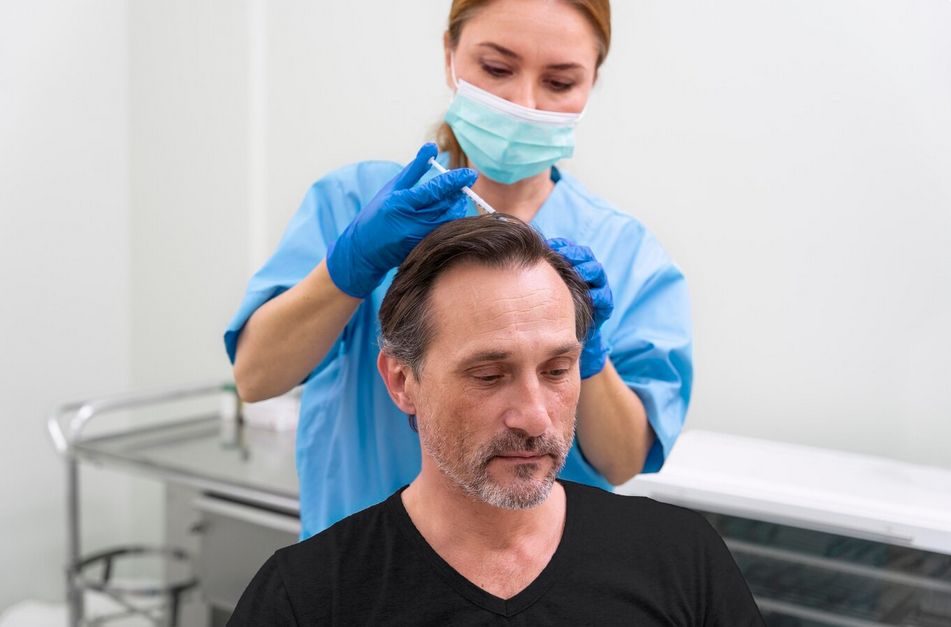
Expert Guide from Korean Hair Restoration Specialists
South Korea has become a global destination for medical tourists seeking hair transplant surgery. Known for cutting-edge techniques, board-certified specialists, and exceptional patient care, Korean clinics attract thousands of international patients annually. But if you’re considering a hair transplant abroad, preparation is key.
In this guide, our experienced Korean surgeons explain exactly what medical tourists need to know before undergoing a hair transplant procedure in Korea, from research and consultations to travel logistics and post-op recovery.
🇰🇷 Why Choose Korea for a Hair Transplant?
✅ International Reputation for Excellence
Korea is renowned for its advanced aesthetic medicine, and hair restoration is no exception. Clinics here invest in:
- Robotic-assisted FUE systems
- Microsurgical FUT strip harvesting
- High graft survival techniques
- Natural hairline design with artistic precision
✅ Experienced Surgeons
Many Korean hair transplant surgeons have performed over 5,000 procedures and are members of international societies like ISHRS.
✅ All-Inclusive Packages for Foreign Patients
Most clinics offer customized packages that include:
- Airport pickup
- Hotel accommodation
- English-speaking coordinators
- Online pre-consultation
- Post-op care kits and follow-up
✈️ What to Prepare Before Traveling to Korea
1. Schedule an Online Consultation
Most Korean clinics offer remote consultations via email, WhatsApp, or Zoom. Be prepared to send:
- Photos of your scalp (top, front, back, sides)
- Medical history (especially about hair loss and medications)
- Your expectations and preferred hairline design
📌 This helps the clinic estimate the number of grafts needed and recommend either FUE, FUT, or a combination.
2. Choose the Right Clinic
Look for:
- KAHRS or ISHRS-certified surgeons
- Clinics offering native language support or translators
- Verified patient reviews and before/after photos
- Transparent pricing with no hidden fees
🌐 Pro tip: Focus on clinics located in Seoul’s Gangnam or Apgujeong districts, where the top cosmetic centers are concentrated.
3. Secure Your Medical Visa (If Required)
Citizens from many countries can enter Korea visa-free for medical procedures under 90 days. However, some may require a medical visa (C-3-3). Your clinic can help issue the necessary invitation letter.
📅 Ideal Travel Timeline for Hair Transplant
| Day | Activity |
|---|---|
| Day 1 | Arrive in Korea, rest at hotel |
| Day 2 | In-person consultation, scalp analysis |
| Day 3 | Hair transplant surgery (FUE or FUT) |
| Day 4 | Post-op cleaning, checkup |
| Day 5–7 | Optional follow-up or sightseeing |
| Day 7–10 | Safe to fly home (after suture removal if FUT) |
🛬 Total stay: 5–10 days, depending on the technique and healing speed.
🏥 What Happens During Your Hair Transplant in Korea?
Step-by-Step:
- Design Phase – Surgeon customizes your hairline with precise measurements.
- Shaving (if required) – Some FUE procedures can be done with partial shaving.
- Anesthesia – Local anesthesia is used; the procedure is virtually painless.
- Graft Harvesting – Individual follicles (FUE) or a strip (FUT) is extracted.
- Graft Preparation – Technicians sort and preserve follicles under microscopes.
- Implantation – Grafts are inserted one by one into pre-designed recipient areas.
- Dressing & Recovery Kit – You’ll receive a recovery bag with shampoo, sprays, and medication.
🕒 Duration: 4–8 hours depending on the number of grafts.
💼 What to Pack for Your Hair Transplant Trip
- Loose-fitting button-up shirts (to avoid pulling over your head)
- Travel neck pillow (for comfortable post-op sleep)
- Prescription medications (bring enough for your stay)
- Copies of your online consultation or clinic instructions
- Power adapters (Korea uses 220V plugs)
🧳 Tips for a Smooth Medical Tourism Experience
✅ Travel Insurance
Consider a policy that covers complications or trip cancellations related to medical travel.
✅ Use the Clinic’s Translator Services
Most top clinics provide bilingual coordinators to assist with forms, consent, and post-op instructions.
✅ Book a Hotel Nearby
Stay within 15–20 minutes of the clinic. Many packages include hotel options with shuttle service.
💡 Aftercare Tips While in Korea
- Avoid touching or washing your scalp for 48 hours
- Stay hydrated and avoid alcohol or smoking
- Wear a hat with a loose brim when outside (avoid tight caps)
- Return for follow-up checks if you’re in Korea longer than 5 days
Most patients experience “shock loss” (temporary shedding) within 2–4 weeks and begin to see new growth at 3–4 months, with full results visible at 9–12 months.
📞 Long-Term Follow-Up for International Patients
Korean clinics offer:
- Email or WhatsApp check-ins at 3, 6, and 12 months
- Progress tracking via photo updates
- Optional PRP sessions or medications sent overseas
- Hair transplant certificates for follow-up at local clinics
✨ Final Thoughts from Korean Surgeons
“Korea is not only a leader in beauty but also in scientific, evidence-based hair restoration. We treat every hairline as a work of art—and every patient as a lifelong client, not a one-time case.”
—Dr. J. Lee, Board-Certified Hair Transplant Surgeon, Seoul
A successful medical trip begins with good research and ends with expert post-care. With proper preparation and realistic expectations, a hair transplant in Korea can deliver life-changing results—safely, comfortably, and professionally.


