
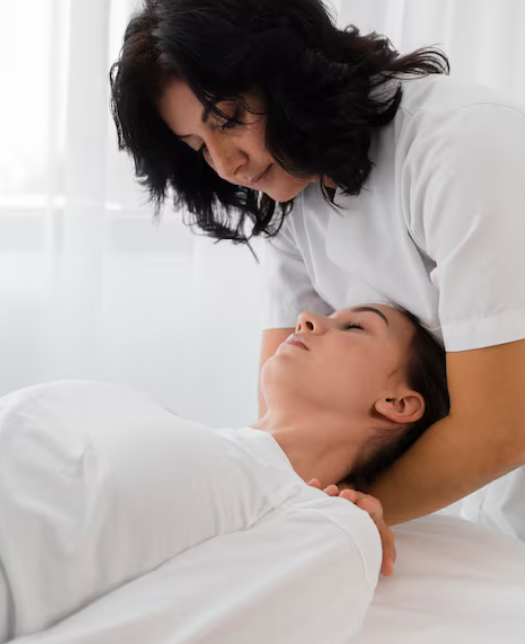
Treatment Overview
Hanbang Herbal Scar Balm Treatment is a specialized postpartum therapy based on traditional Korean Hanbang medicine, designed to heal and improve the appearance of scars—especially those from cesarean sections or childbirth-related injuries. This natural treatment uses high-quality Korean medicinal herbs blended into therapeutic balms that promote cell regeneration, reduce inflammation, and nourish damaged skin.
In Korea, postpartum care focuses not only on internal healing but also on restoring a mother’s physical confidence and comfort. The Hanbang Herbal Scar Balm Treatment represents this holistic philosophy, providing both aesthetic and functional healing through herbal science and advanced skin-repair techniques.
Purpose & Benefits
The main goal of the Hanbang Herbal Scar Balm Treatment is to accelerate healing, reduce scar visibility, and restore healthy skin texture after childbirth. Key benefits include:
- Scar Healing and Regeneration: Encourages new cell growth to repair damaged tissue and fade scars.
- Improved Skin Elasticity: Restores flexibility and smoothness in the affected area.
- Reduction of Inflammation: Herbal ingredients calm redness and irritation while promoting comfort.
- Prevention of Adhesions: Minimizes the buildup of fibrous tissue under the skin that can restrict movement.
- Hydration and Nourishment: Deeply moisturizes and strengthens the skin barrier for long-term softness.
- Enhanced Blood Circulation: Improves oxygen and nutrient delivery to accelerate healing.
- Aesthetic Confidence: Helps mothers regain comfort and confidence in their postpartum bodies.
Ideal Candidates
This treatment is ideal for:
- Mothers recovering from C-section deliveries or other abdominal surgeries.
- Women with postpartum perineal or stretch-related scars.
- Individuals seeking a natural, non-invasive scar-healing solution.
- Those experiencing dryness, tightness, or sensitivity in scarred areas.
- Mothers who want to complement internal healing with visible skin rejuvenation.
The therapy is typically recommended six to eight weeks after delivery, once the incision or wound has fully healed and medical approval has been granted.
Possible Risks & Complications
Hanbang Herbal Scar Balm Treatment is safe and gentle, though a few mild effects may occur:
- Slight redness or tingling when the balm is first applied.
- Temporary sensitivity in the treated area as the skin adjusts.
- Rare allergic reaction to certain herbs for those with plant-based sensitivities.
Before starting, practitioners conduct a patch test to ensure that the balm suits the individual’s skin type and recovery stage.
Techniques Used
Korean postpartum centers integrate Hanbang medicine with modern dermatological practices to ensure both efficacy and safety. Common methods include:
- Customized Herbal Balm Formulation: Use of medicinal herbs such as ginseng, licorice root, centella asiatica, angelica root, and mugwort to promote regeneration.
- Gentle Massage Application: Light manual massage enhances absorption and stimulates circulation in the scar area.
- Thermal Activation: Application of mild warmth or infrared therapy to boost blood flow and enhance herb penetration.
- Scar Softening Techniques: Manual therapy to improve tissue elasticity and prevent adhesion buildup.
- Layered Healing Care: Balms may be layered with hydrating serums or protective ointments for deep nourishment.
- Holistic Integration: Often combined with internal herbal medicine or detox therapy to improve systemic recovery.
This fusion of ancient Korean wisdom and modern healing techniques delivers a powerful and balanced scar treatment experience.
Recovery & Aftercare
For best results, consistent aftercare is essential. Post-treatment guidelines include:
- Avoiding harsh soaps, scrubbing, or exposure to direct sunlight on the treated area.
- Keeping the area moisturized with the prescribed herbal balm daily.
- Wearing soft, breathable clothing to prevent friction.
- Drinking plenty of water and maintaining good nutrition to support skin regeneration.
- Combining treatment with gentle abdominal stretching once approved by a healthcare provider.
Most postpartum care centers recommend two to three sessions per week, with continuous balm application at home for sustained results.
Results & Longevity
With consistent application and professional guidance, visible results typically appear within a few weeks. Common outcomes include:
- Softer, smoother, and lighter-colored scars.
- Improved skin elasticity and reduced tightness.
- Enhanced comfort and mobility in the abdominal area.
- Healthier skin tone and texture around the scar.
- Long-term confidence and comfort in body recovery.
Results continue to improve over time, with full benefits achieved through regular care and continued skin nourishment.
Treatment Process in Korea
- Consultation and Assessment: A postpartum care specialist examines scar condition, texture, and sensitivity.
- Customized Herbal Balm Preparation: A personalized blend of herbal ingredients is selected according to skin type and healing progress.
- Application and Massage: The balm is gently massaged into the scar and surrounding tissues to improve absorption.
- Thermal Stimulation: Mild heat therapy may be applied to promote deeper healing and circulation.
- Cooling and Hydration: A soothing herbal moisturizer or serum is applied to seal in nutrients.
- Follow-Up Evaluation: Regular assessments track progress and ensure continuous improvement in scar texture and elasticity.
Korean postpartum centers are known for combining personalized Hanbang formulations with expert therapeutic techniques, offering mothers a natural and effective solution for postpartum scar recovery.
Cost Range
The cost of Hanbang Herbal Scar Balm Treatment in Korea varies depending on clinic, formulation, and program duration:
- Single sessions: approximately ₩100,000 to ₩200,000 (USD $75–$150).
- Multi-session programs: around ₩2,000,000 to ₩3,500,000 (USD $1,500–$2,600) for several weeks of care.
- Premium treatment packages: including scar balm therapy, fascia release, and abdominal rejuvenation can cost ₩5,000,000 or more (USD $3,700+).
Most programs include initial consultation, customized herbal preparation, and detailed aftercare guidance.
Popular Considerations
- Begin treatment only after full incision healing and OB/GYN approval.
- Choose certified postpartum centers with experienced Hanbang practitioners.
- Inform your therapist about any allergies or sensitivities before treatment.
- Maintain regular balm application at home for lasting results.
- Combine with complementary treatments such as fascia release, lymphatic massage, or abdominal thermal therapy for full recovery.
- International mothers can access postpartum centers in Korea offering multilingual support and personalized Hanbang healing programs.


