
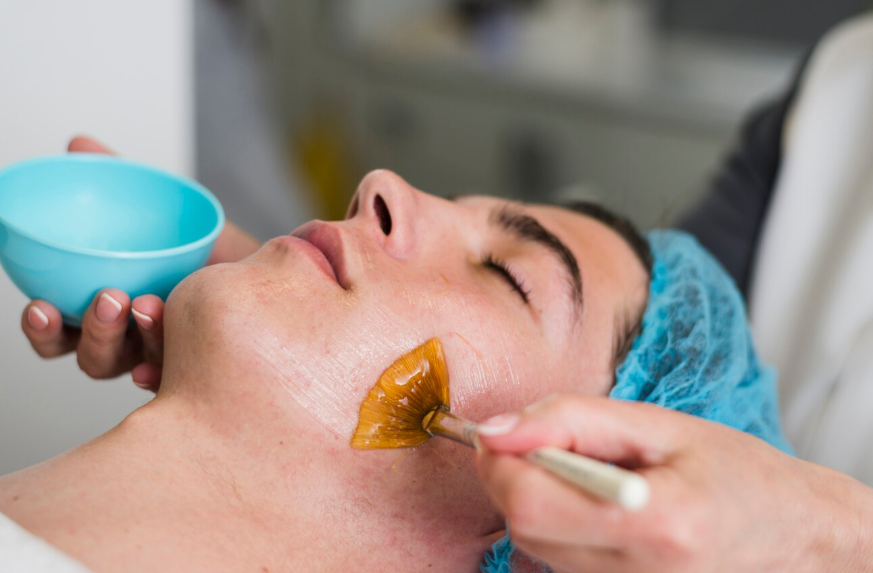
Treatment Overview
Healing Essence Peel is a gentle Korean chemical peel treatment designed not only to exfoliate but also to soothe, hydrate, and repair the skin. Unlike harsher peels, this treatment combines low-strength AHAs (glycolic, lactic), BHAs (salicylic acid), PHAs, and skin-repairing essences such as centella asiatica, green tea, and hyaluronic acid, ensuring both renewal and nourishment.
This peel is especially popular in Korea for patients with sensitive or compromised skin who want rejuvenation without irritation, resulting in a healthy, dewy, and balanced complexion.
Purpose & Benefits
- Healing Support: Strengthens and repairs the skin barrier.
- Gentle Renewal: Exfoliates dead skin cells without harsh peeling.
- Hydration Boost: Infuses HA and essences for plump, dewy skin.
- Calming Effect: Reduces redness, irritation, and inflammation.
- Pore Refinement: Clears congestion and minimizes pores.
- Even Skin Tone: Helps brighten pigmentation and dullness.
- Long-Term Skin Health: Supports balance and resilience.
Ideal Candidates
- Adults with sensitive, dry, or reactive skin.
- Patients recovering from acne, sun damage, or irritation.
- Individuals who cannot tolerate strong peels but want renewal.
- Men and women with dull, uneven tone or early fine lines.
- Those who want a gentle monthly peel for long-term skin health.
Possible Risks & Complications
- Mild redness or tingling (few hours).
- Temporary dryness if hydration is not maintained.
- Rare flaking or peeling for very dry skin.
- Minimal chance of irritation compared to traditional peels.
Techniques Used
- Healing Peel Formula: Mild AHA/BHA/PHAs combined with repairing essences.
- Layered Application: Applied in gentle layers depending on skin sensitivity.
- Neutralization & Nourishment: Peel is neutralized and followed with calming serums.
- Optional Add-Ons: Frequently combined with LED therapy, PRP, or exosome boosters for deeper healing.
Recovery & Aftercare
Day 1–2: Mild redness or tightness, but skin feels soothed.
Day 3–5: Gentle renewal; rare light peeling in dry skin.
Week 1–2: Complexion looks calmer, hydrated, and healthier.
Aftercare Guidelines:
- Use SPF daily to protect renewed skin.
- Apply hydrating and barrier-repair creams regularly.
- Avoid exfoliants and retinoids for at least 1 week.
- Stay hydrated and avoid hot saunas for 24–48 hours.
- Do not pick at any flaking skin.
Results & Longevity
- Immediate: Skin feels calmer, fresher, and hydrated.
- Short-Term: Clarity and smoothness appear within 1 week.
- Long-Term: With monthly sessions, skin becomes more resilient, even-toned, and luminous.
Treatment Process in Korea
Korea is a global leader in gentle, healing-oriented peels, reflecting the K-beauty philosophy of repair + radiance over harsh exfoliation. Healing Essence Peel has become a go-to choice for international patients with sensitive or post-acne skin.
Consultation & Skin Analysis
Dermatologists assess hydration, sensitivity, and barrier strength. A customized Healing Peel formula is selected.
Treatment Day
After cleansing, the peel solution is applied, left briefly, then neutralized and followed by soothing serums and calming essences. Duration: 20–30 minutes.
Post-Treatment Care
LED or cooling masks may be included to boost recovery. Patients can return to daily activities immediately with little to no downtime.
Why Korea is a Top Destination
- Access to innovative, soothing peel formulas not found elsewhere.
- Dermatologists experienced in treating sensitive and reactive skin.
- Treatments emphasize healing, hydration, and glow, not harsh resurfacing.
- Affordable compared to Western clinics while offering premium expertise.
- Clinics provide English-speaking staff, personalized plans, and luxury aftercare.
Cost Range
The cost of Healing Essence Peel in Korea depends on clinic reputation and package:
- Single Session: ₩90,000 – ₩160,000 (~USD $70–$125).
- 3-Session Package: ₩240,000 – ₩420,000 (~USD $185–$325).
- Premium Package (Healing Peel + LED / PRP / Hydration Boost): ₩400,000 – ₩700,000 (~USD $310–$540).
Additional Costs:
- Consultation & Imaging: ₩20,000 – ₩40,000 (~USD $15–$30).
- Aftercare skincare (SPF, hydrating serums, soothing creams): ₩30,000 – ₩80,000 (~USD $25–$60).
Popular Clinics
- Banobagi Plastic Surgery (Seoul): Specializes in gentle, healing peel programs.
- ID Dermatology (Seoul): Offers customized peels for sensitive skin.
- View Clinic (Seoul): Combines Healing Peel with PRP or exosome boosters.
- JW Plastic Surgery (Seoul): Premium barrier-repair and anti-aging packages.
- Oracle Skin Clinic (Nationwide): Affordable and international-friendly peel services.


