
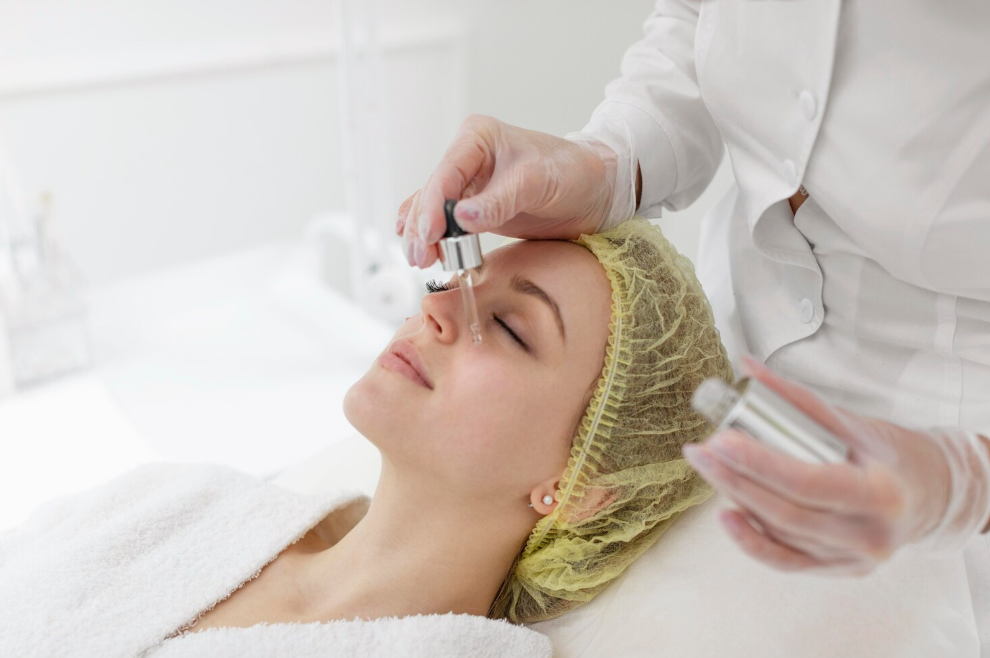
Treatment Overview
Healing Factor MTS (Microneedle Therapy System) is a regenerative skin treatment that combines microneedling with the infusion of “healing factors”—specialized serums enriched with peptides, PDRN (Polydeoxyribonucleotide), growth factors, and anti-inflammatory agents. Microneedling creates controlled microchannels in the skin, allowing these restorative ingredients to penetrate deeply, accelerating the skin’s repair process, reducing inflammation, and promoting long-term regeneration.
In Korea, Healing Factor MTS is especially popular for its ability to repair damaged skin, reduce scars, and soothe sensitive or inflamed conditions. Korean dermatologists often integrate it with advanced boosters such as exosomes, PRP, or hyaluronic acid to maximize repair and rejuvenation.
Purpose & Benefits
- Accelerated Healing: Boosts skin’s natural recovery after acne, sun damage, or procedures.
- Scar & Mark Reduction: Improves acne scars, surgical marks, and pigmentation.
- Anti-Inflammatory: Calms redness, irritation, and sensitivity.
- Collagen & Elastin Stimulation: Encourages stronger, firmer skin structure.
- Hydration & Repair: Replenishes moisture while supporting cellular regeneration.
- Strengthened Skin Barrier: Enhances resistance against future irritation and aging.
Ideal Candidates
- Individuals with acne scars, marks, or sun-damaged skin.
- Patients with sensitive, inflamed, or weakened skin barriers.
- Adults seeking skin healing combined with rejuvenation.
- Those who underwent aesthetic procedures (lasers, peels) and want faster recovery.
- Men and women desiring non-surgical skin restoration with natural results.
Possible Risks & Complications
- Temporary redness, swelling, or pinpoint bleeding post-microneedling.
- Mild dryness, peeling, or tightness for a few days.
- Rare allergic reaction to infused serums.
- Small risk of hyperpigmentation if sunscreen is neglected.
- Minimal infection risk if aftercare is not followed.
Techniques Used
- Microneedling Device: Adjustable needle depth (0.25–2.0 mm).
- Healing Factor Infusion: Includes PDRN, peptides, growth factors, or exosomes.
- Layered Application: Focus on scarred, weakened, or inflamed zones.
- Synergistic Boosters: Often combined with PRP, hyaluronic acid, or LED light therapy.
- Precision Delivery: Korean clinics use automated systems for consistent results.
Recovery & Aftercare
- Day 1–2: Redness, mild swelling, and sensitivity.
- Day 3–5: Skin feels calmer and smoother; hydration improves.
- Week 1–2: Scar fading and regeneration effects become noticeable.
Aftercare Guidelines:
- Avoid makeup, sauna, or intense workouts for 24–48 hours.
- Use hydrating creams and soothing serums.
- Apply broad-spectrum sunscreen daily.
- Skip exfoliants for 5–7 days.
- Stay consistent with maintenance sessions.
Results & Longevity
- Faster skin recovery after just one session.
- Noticeable scar and redness improvement within 2–4 weeks.
- Long-lasting skin strengthening and healing with 3–5 sessions.
- Results typically last 6–12 months with maintenance.
- Ongoing improvements as collagen and elastin rebuild.
Treatment Process in Korea
1. Consultation & Skin Analysis
- Dermatologist examines scars, redness, and sensitivity levels.
- Customized healing factor serum plan created.
2. Procedure Day
- Numbing cream applied.
- Microneedling with healing factor infusion performed.
- Session duration: 40–70 minutes.
3. Post-Treatment Soothing
- Cooling mask, LED therapy, or oxygen treatment applied.
- Minimal downtime; return to routine the same day.
4. Follow-Up & Maintenance
- 3–5 sessions spaced 4–6 weeks apart recommended.
- Maintenance sessions every 6 months.
Why Korea is a Top Destination
- Korea is a leader in skin-healing technologies such as PDRN and exosomes.
- Clinics emphasize scar repair, soothing, and natural rejuvenation.
- Dermatologists tailor treatments for sensitive or compromised skin.
- Affordable compared to Western countries, with world-class expertise.
- Seoul clinics provide English-friendly services for international patients.
Cost Range
The cost of Healing Factor MTS in Korea varies depending on clinic reputation, serum type, and add-on boosters:
- Standard Healing Factor MTS Session: ₩200,000 – ₩400,000 (~USD $150–$300).
- RF Microneedling with Healing Factors: ₩350,000 – ₩600,000 (~USD $260–$450).
- 3-Session Package: ₩800,000 – ₩1,500,000 (~USD $600–$1,150).
- Premium Packages (PDRN, PRP, Exosomes): ₩1,500,000 – ₩3,000,000 (~USD $1,100–$2,300 for 3–5 sessions).
Additional Costs:
- Consultation: ₩30,000 – ₩70,000 (~USD $20–$50).
- Aftercare products (SPF, healing serums): ₩50,000 – ₩150,000 (~USD $40–$120).
Popular Clinics
- Banobagi Plastic Surgery (Seoul): Specializes in scar and skin regeneration.
- ID Dermatology (Seoul): Known for combining MTS with growth factor serums.
- View Clinic (Seoul): Offers custom PDRN and exosome protocols for skin repair.
- JW Plastic Surgery (Seoul): Premium regenerative care with advanced microneedling.
- Oracle Skin Clinic (Nationwide): Accessible and international-friendly.


