
Treatment Overview
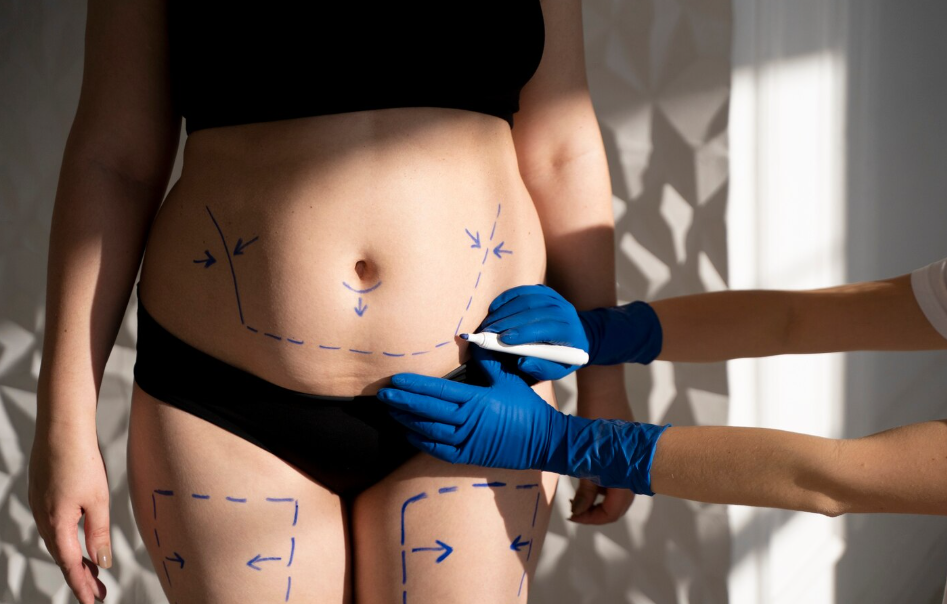
Hip Line Sculpting in Korea is a specialized body-contouring procedure that refines and enhances the waist-to-hip transition for a smoother, curvier, and more feminine silhouette. Unlike standard fat removal or grafting, hip line sculpting focuses on precise shaping of the hip dips, outer hips, and waistline, using a combination of liposuction, fat grafting, and high-definition contouring techniques.
Korean plastic surgeons are renowned for their artistic approach to body proportioning, often combining hip line sculpting with waistline contouring, buttock sculpting, or 360° liposuction to create a natural yet attractive hourglass figure. With advanced tools like micro-cannula liposuction, ultrasound-assisted fat removal, and high-survival fat grafting, Korea is one of the top destinations for this procedure.
Purpose & Benefits
- Hip Dip Correction: Fills indentations for smooth curves.
- Waist-to-Hip Balance: Enhances hourglass silhouette.
- Proportional Refinement: Balances hips, waist, and thighs.
- Fat Redistribution: Uses liposuction and fat grafting to achieve symmetry.
- Confidence Boost: Improves body profile in jeans, dresses, and swimwear.
- Combination-Friendly: Often paired with tummy sculpting, buttock sculpting, or thigh contouring.
Ideal Candidates
- Patients with flat hips, hip dips, or uneven contours.
- Individuals with stubborn fat around the waist or flanks.
- Adults in good health and at stable weight.
- Patients desiring a natural, feminine, or athletic waist-to-hip shape.
- Non-smokers with realistic expectations.
Possible Risks & Complications
- Temporary swelling, bruising, or soreness.
- Fat absorption in grafted areas (may require touch-up).
- Minor asymmetry (rare with experienced surgeons).
- Scarring (tiny, hidden incisions for liposuction).
- Rare risks: infection, seroma, or fat embolism (minimized with advanced Korean protocols).
Techniques Used
- Hip Liposuction: Slims waist and outer hips for proportion.
- Fat Grafting (Hip Dip Filling): Uses purified fat for smooth, rounded curves.
- Hybrid Sculpting (Lipo + Grafting): Most common approach in Korea for balance.
- High-Definition Sculpting (Optional): Adds subtle muscle definition for athletic shape.
- Scar-Minimizing Entry Points: Tiny incisions hidden in folds or natural lines.
Recovery & Aftercare
- 1–2 weeks: Swelling and bruising gradually improve.
- Compression Garments: Worn for 3–4 weeks to support shaping and healing.
- 3–5 days: Resume light walking and daily activities.
- 1–2 weeks: Return to desk work.
- 4–6 weeks: Resume moderate exercise (avoid pressure on hips if fat grafting performed).
- 3–6 months: Final results visible as fat graft stabilizes and swelling subsides.
Aftercare Guidelines:
- Wear compression garments as instructed.
- Avoid lying or sitting directly on grafted areas for 2–3 weeks.
- Maintain stable weight to preserve results.
- Follow scar-care routine (if incisions used).
- Attend follow-up visits for refinement and fat survival evaluation.
Results & Longevity
- Smooth, curvier, and more proportionate hip line.
- Improved waist-to-hip ratio.
- Permanent fat removal from liposuctioned areas.
- Long-lasting fat grafting results (with 60–80% graft survival in most cases).
- Boosted body confidence in fitted and casual wear.
Treatment Process in Korea
- Initial Consultation & Assessment
- Surgeons assess hip dips, waist-to-hip balance, and fat availability.
- Customized sculpting plan created (lipo-only, grafting-only, or hybrid).
- Surgical Planning & Preparation
- Entry points mapped discreetly for minimal scarring.
- Choice of anesthesia: local with sedation or general, depending on procedure.
- Procedure Day
- Fat harvested via liposuction (often from waist or abdomen).
- Purified fat injected into hip dips or flat areas.
- Optional HD sculpting for enhanced contour.
- Post-Operative Monitoring
- Compression garment applied immediately.
- Most patients discharged same day.
- Follow-Up & Refinement
- Follow-ups at 1 week, 1 month, and 3–6 months.
- Touch-up grafting may be offered if needed.
Why Korea is a Top Destination
- Surgeons skilled in precision hip dip correction and hourglass sculpting.
- Advanced fat grafting methods with high survival rates.
- Combination treatments for waist, hip, and buttock harmony.
- Clinics equipped with 3D body simulation and scar-minimization technology.
- More affordable than Western countries, with world-class quality.
Cost Range
The cost of Hip Line Sculpting in Korea depends on fat removal volume, grafting amount, and clinic expertise.
- Hip Liposuction Only: USD $3,500 – $5,500
- Fat Grafting (Hip Dip Filling): USD $4,500 – $6,500
- Hybrid Sculpting (Lipo + Fat Grafting): USD $6,500 – $9,500
- Extended Sculpting (Waist + Hips + Thighs): USD $8,500 – $12,000
- Premium Clinics (3D Imaging, VIP Aftercare, Scar Care): USD $9,500 – $14,000
Additional Costs:
- Consultation & imaging: USD $100 – $300
- Compression garments: USD $100 – $200
- Medications & aftercare: USD $100 – $250
Popular Clinics
- Banobagi Plastic Surgery (Seoul): Known for natural fat grafting in hip dips.
- ID Hospital (Seoul): Experts in waist-to-hip reshaping and hybrid sculpting.
- JK Plastic Surgery Center (Seoul): JCI-accredited, specializing in fat survival and scar minimization.
- View Plastic Surgery Clinic (Seoul): Leaders in waist + hip harmony procedures.
- JW Plastic Surgery (Seoul): Customized hip line sculpting with natural curves.


