
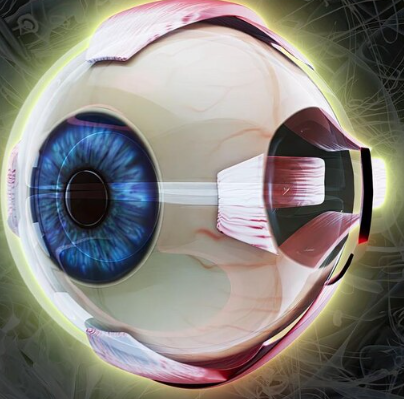
Treatment Overview
Holmium Laser Sclerostomy in Korea is a minimally invasive glaucoma procedure that uses a holmium:YAG (Ho:YAG) laser to create a precise drainage channel through the sclera, improving aqueous humor outflow and lowering intraocular pressure (IOP). This laser-based approach offers a safer, gentler alternative to traditional filtering surgeries, especially for patients with scarring-prone eyes or those seeking reduced surgical trauma.
Korean ophthalmology centers utilize OCT-guided mapping, AI-driven laser calibration, and advanced anti-scarring protocols to optimize the safety, accuracy, and long-term success of this procedure.
Purpose & Benefits
Purpose
- Create a laser-made drainage channel (sclerostomy) to enhance aqueous outflow.
- Reduce IOP in moderate to severe glaucoma.
- Provide a less invasive alternative to trabeculectomy.
- Offer a reliable option for patients with prior surgical scarring.
Benefits
- Minimally Invasive: Laser creates a controlled channel without extensive cutting.
- Reduced Tissue Trauma: Minimal bleeding and inflammation due to precise laser ablation.
- Predictable Outflow: Controlled depth and size of the sclerostomy.
- Enhanced Healing: Limited thermal damage improves recovery.
- Repeatable: Sclerostomy can be recreated if fibrosis occurs.
- Effective for Complex Eyes: Useful for previously operated or scarred conjunctiva.
Ideal Candidates
Holmium Laser Sclerostomy in Korea is ideal for:
- Patients with open-angle or angle-closure glaucoma needing significant IOP lowering.
- Individuals seeking a less invasive option than trabeculectomy.
- Patients with conjunctival scarring or previous surgeries.
- Glaucoma unresponsive to medications or laser therapy.
- Patients at risk for bleeding or complications from traditional surgery.
- Individuals who desire quicker healing and lower postoperative inflammation.
Possible Risks & Complications
Although extremely precise, the procedure may involve:
- Mild inflammation: Short-lived and manageable.
- Temporary blurred vision: Common in early healing.
- Minor hyphema: Rare and usually self-resolving.
- Short-term IOP fluctuations: Stabilize within weeks.
- Sclerostomy closure (fibrosis): May require retreatment.
- Infection (rare): Minimized through strict postoperative care.
Korean surgeons use AI-adjusted laser settings, OCT guidance, and advanced postoperative protocols to minimize risk.
Types of Holmium Laser Sclerostomy in Korea
Standard Holmium Laser Sclerostomy
Creates a precise laser channel for improved aqueous drainage.
Holmium Laser Re-Sclerostomy
Used to reopen or recreate a channel if previous filtering surgeries fail.
Combined Cataract + Laser Sclerostomy
Performed with cataract extraction for stronger IOP reduction.
Image-Guided Laser Sclerostomy
Utilizes OCT or ultrasound for maximum precision and safety.
Surgical Techniques
AI-Calibrated Laser Planning
Personalizes laser parameters based on scleral thickness and tissue density.
Precision Micro-Ablation
Holmium laser vaporizes scleral tissue with minimal heat spread.
Thermal-Safe Laser Pulsing
Short-pulse Ho:YAG energy protects adjacent tissues.
OCT-Guided Targeting
Ensures accurate depth and trajectory of the sclerostomy channel.
Anti-Scarring Strategies
Mitomycin-C or adjunct anti-fibrotic treatments improve long-term results.
Treatment Process in Korea
Step 1 – Comprehensive Evaluation
Includes IOP testing, optic nerve OCT, angle evaluation, and scleral mapping.
Step 2 – Treatment Planning
Surgeon selects sclerostomy location and determines anti-scarring needs.
Step 3 – Holmium Laser Sclerostomy
A precise laser opening is made in the sclera to create a controlled drainage pathway.
Step 4 – Immediate Postoperative Care
Anti-inflammatory drops are started; IOP monitored closely.
Step 5 – Follow-Up Monitoring
Regular visits ensure proper drainage channel function.
Treatment Duration: 10–20 minutes per eye
Setting: Outpatient or same-day surgical suite
Recovery & After-Care
After-Care Guidelines
- Use antibiotic and anti-inflammatory drops for 2–4 weeks.
- Avoid heavy lifting, eye rubbing, and strenuous activity.
- Keep the eye dry for several days.
- Attend postoperative visits to monitor sclerostomy openness.
- Continue medications only as instructed.
Recovery Timeline
- Days 1–3: Mild irritation; vision begins to clear.
- Week 1: IOP decreases; inflammation reduced.
- Weeks 2–4: Sclerostomy stabilizes.
- Months 1–3: Long-term outflow and pressure stability achieved.
Results & Longevity
Expected Results
- Significant IOP reduction suitable for moderate to severe glaucoma.
- Improved aqueous drainage via the laser-created channel.
- Reduced dependence on glaucoma medications.
- Smooth and quick healing compared to manual surgery.
Longevity
- Results typically last several years depending on healing patterns.
- Procedure can be repeated if fibrosis develops.
- Korean outcomes show high success due to precision imaging and anti-scarring protocols.
Why Korea Is a Top Destination
- Advanced laser platforms specifically optimized for glaucoma care.
- OCT + UBM–guided surgical accuracy unmatched globally.
- AI-driven laser calibration for safe, consistent sclerostomy formation.
- Low complication rates due to expert surgical techniques.
- Comprehensive long-term glaucoma care including follow-up and monitoring.
Unique Korean Innovations
- AI-based prediction of scleral thickness and ideal ablation depth.
- Hybrid laser + anti-fibrotic protocols for longer patency.
- OCT-guided intraoperative monitoring.
- Customized sclerostomy angling to maximize drainage.
- Predictive modeling for long-term filtration success.
Cost Range (Indicative Estimate)
| Treatment Package | Price (KRW) | Approx. USD | Inclusions |
|---|---|---|---|
| Standard Holmium Laser Sclerostomy | ₩1,500,000 – ₩2,500,000 | ~$1,100 – $1,900 | Laser sclerostomy + basic postoperative care |
| Imaging-Guided Laser Sclerostomy | ₩2,800,000 – ₩4,000,000 | ~$2,100 – $3,000 | OCT/UBM targeting + anti-scarring therapy |
| Combined Cataract + Sclerostomy Package | ₩4,500,000 – ₩6,500,000+ | ~$3,400 – $5,000+ | Phaco + laser sclerostomy + extended follow-up |
Popular Clinics in Korea
- B&VIIT Eye Center (Seoul) – Specialists in laser-assisted filtration surgery.
- Dream Eye Center (Seoul) – Leaders in holmium laser glaucoma care.
- BGN Eye Clinic (Busan & Seoul) – Experts in repeat and combined laser sclerostomy.
- Glory Seoul Eye Clinic – Advanced OCT-guided laser precision.
- K-Cure Vision Center (Gangnam) – Innovators in AI-driven laser sclerostomy planning.


