
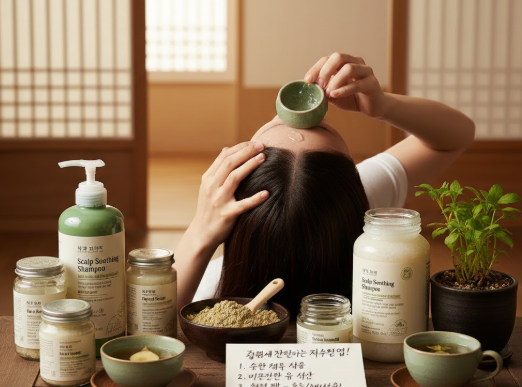
Seborrheic dermatitis is a chronic scalp condition that causes redness, flaking, and itching. While in-clinic treatments like medicated shampoos, scalp scaling, and laser therapy are effective, proper home care is essential to maintain results, prevent flare-ups, and support overall scalp health. Korea is known for its advanced dermatology and personalized home-care guidance, making it a top destination for medical tourists seeking effective long-term management.
This guide provides a comprehensive overview of home care tips for seborrheic dermatitis in Korea, including practical routines, treatment combinations, and recommended products.
Treatment Overview
Home care for seborrheic dermatitis focuses on maintaining scalp hygiene, controlling yeast overgrowth, and reducing inflammation between clinic visits. Core approaches include:
- Regular use of medicated shampoos and conditioners
- Gentle exfoliation or scalp scaling at home
- Moisturizing and barrier repair treatments
- Avoiding irritants such as harsh chemicals or excessive heat
- Stress and lifestyle management
Korean dermatologists design home-care plans tailored to the severity of the condition, hair type, and lifestyle of the patient.
Purpose & Benefits
The primary purpose of home care is to prolong the effects of in-clinic treatments, prevent recurrence, and maintain a healthy scalp.
Benefits include:
- Reduction of flakes and dandruff between treatments
- Control of inflammation and itching
- Improved hair and scalp hygiene
- Enhanced absorption and effectiveness of medicated shampoos
- Strengthened scalp barrier
- Long-term prevention of flare-ups
Consistent home care allows patients to enjoy lasting results and reduces the frequency of clinic visits.
Ideal Candidates
Home care is suitable for:
- Patients who have undergone in-clinic treatments such as scalp scaling, laser therapy, or medicated shampoos
- Individuals with mild to moderate seborrheic dermatitis
- Those prone to frequent flare-ups
- Postpartum women and new mothers seeking gentle scalp care
- Medical tourists who need guidance for maintaining results after returning home
Home-care routines can be adapted based on gender, age, and scalp sensitivity.
Possible Risks & Complications
Although home care is generally safe, improper routines may lead to:
- Over-drying of the scalp from excessive shampooing
- Irritation from harsh products or chemicals
- Flare-ups if anti-fungal products are used inconsistently
- Temporary sensitivity after exfoliation or scaling
- Worsening of symptoms due to ignoring dietary or stress factors
Korean dermatologists mitigate risks by providing tailored instructions and recommending safe products.
Techniques & Technology Used
While home care is not clinic-based, Korean clinics often advise patients to use simple techniques and supportive products:
- Medicated Shampoos: Ketoconazole, selenium sulfide, or zinc pyrithione to control yeast and inflammation
- Gentle Scalp Massage: Stimulates blood flow and promotes absorption of topical treatments
- Barrier Repair Serums & Moisturizers: Protects scalp from dryness and irritation
- Warm Water Rinses: Avoids harsh temperatures that irritate the scalp
- Soft Bristle Brushes: Helps remove loose flakes gently without damaging hair
- Lifestyle Support: Stress management, balanced diet, and proper sleep
Integration of these techniques ensures home care complements professional treatments.
Treatment Process in Korea
Home-care treatment plans recommended by Korean dermatologists typically follow these steps:
- Initial Clinic Evaluation: Scalp analysis, diagnosis, and treatment planning
- Prescription of Home Products: Medicated shampoos, serums, and moisturizers suitable for individual scalp conditions
- Instruction for Proper Use: Frequency, application method, and duration explained clearly
- Follow-Up Monitoring: Virtual or in-person consultations to track progress
- Adjustment of Routine: Based on response, flare-ups, or seasonal changes
This structured approach ensures patients manage seborrheic dermatitis safely and effectively at home.
Recovery & After-Care
While home care is ongoing, patients typically notice improvements within 2–4 weeks:
After-care recommendations include:
- Wash scalp according to prescribed frequency (usually 2–3 times weekly)
- Avoid scratching or picking at flakes
- Use gentle conditioners only on hair tips, not scalp
- Follow barrier repair routines to maintain moisture
- Monitor for flare-ups and report to the dermatologist
- Maintain a healthy lifestyle with proper sleep, hydration, and diet
Consistent after-care reinforces in-clinic treatment results and prevents recurrence.
Results & Longevity
Proper home care can provide lasting benefits:
- Reduction in redness, flaking, and itching
- Long-term control of Malassezia yeast
- Stronger scalp barrier and healthier hair follicles
- Fewer flare-ups over time
- Enhanced effectiveness of clinic-based treatments
Patients who combine professional care with daily home routines experience the best results.
Treatment Review
Patients report high satisfaction with home-care guidance provided by Korean dermatologists:
- Effectiveness: Noticeable improvement in symptoms with consistent use of prescribed products
- Convenience: Simple, non-invasive routines that can be integrated into daily life
- Safety: Gentle products suitable for sensitive or postpartum scalps
- Professional Support: Clinics provide clear instructions, product recommendations, and follow-up monitoring
- Long-Term Benefits: Reduced frequency of flare-ups and sustained scalp health
- Medical Tourist Experience: Remote follow-up options and clear guidance make maintenance easy after returning home
Overall, home care is considered an essential complement to in-clinic treatments.
Why Korea Is a Top Destination
Korea is globally recognized for effective seborrheic dermatitis management due to:
- Advanced dermatology clinics providing personalized home-care plans
- Safe and effective medicated shampoos and scalp treatments
- Professional guidance tailored to gender, age, and postpartum needs
- Integration of technology such as scalp analysis and telemedicine follow-ups
- Affordable, high-quality care for both local and international patients
- Comprehensive programs that combine clinic and home-based solutions
Medical tourists benefit from Korea’s combination of advanced care and patient-focused home-care strategies.
Cost Range
Home-care treatment costs in Korea are generally affordable and vary based on products and follow-up support:
- Medicated Shampoos: $20–$60 per bottle
- Barrier Repair Serums & Moisturizers: $30–$80
- Follow-Up Consultations: $50–$100 per session (in-person or virtual)
- Home-Care Packages (Shampoo + Serum + Consultation): $100–$250
These prices provide professional support for safe and effective home management of seborrheic dermatitis.
Popular Clinics in Korea
Top clinics offering home-care guidance for seborrheic dermatitis include:
- Oracle Dermatology Clinic
- ID Dermatology Seoul
- HERS Dermatology Clinic
- Renewme Skin Clinic
- Cheongdam Scalp Clinic
- MediHair Korea
- WellSkin Dermatology
- Gowoonsesang Dermatology Clinic
These clinics provide personalized treatment plans, product recommendations, and international patient support for effective home management.


