
Treatment Overview
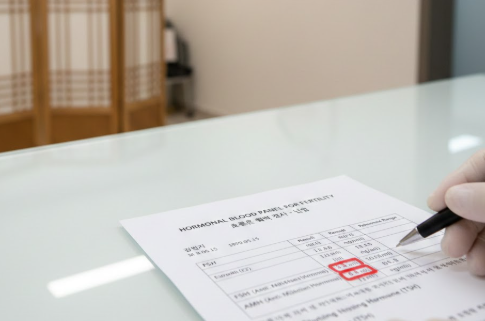
A hormonal blood panel for fertility is a comprehensive test that evaluates hormone levels affecting male or female reproductive health. For men, this may include testosterone, FSH, LH, prolactin, and DHEA. For women, panels typically assess estrogen, progesterone, FSH, LH, AMH, and thyroid hormones. Clinics in Korea provide advanced blood testing to help diagnose fertility issues, guide treatment, and optimize reproductive outcomes.
Purpose & Benefits
The main purposes of a hormonal blood panel for fertility are:
- Assessing hormonal balance related to fertility
- Identifying potential causes of infertility
- Guiding personalized treatment plans for conception
Benefits include:
- Accurate diagnosis of hormone-related fertility issues
- Early detection of hormonal imbalances that may impact fertility
- Personalized treatment strategies for improved conception outcomes
- Integration with other fertility tests, such as semen analysis or ovarian reserve testing
Ideal Candidates
Hormonal blood panels for fertility are recommended for:
- Couples experiencing difficulty conceiving after 6–12 months
- Individuals with irregular menstrual cycles or low libido
- Patients with a history of reproductive disorders or hormonal imbalance
- Those planning assisted reproductive techniques (IVF, ICSI)
- Men and women undergoing fertility optimization or hormone therapy
Possible Risks & Complications
Hormonal blood testing is generally safe. Possible considerations include:
- Minor discomfort or bruising at the injection site
- Rare dizziness or lightheadedness during blood draw
- Minimal risk of infection at the puncture site
There are no serious complications associated with this test.
Techniques & Technology Used
Korean clinics use advanced laboratory techniques for accurate hormonal assessment:
- Venipuncture for blood collection – Standard method for hormone evaluation
- High-precision immunoassays and ELISA testing – Measures hormone concentrations with accuracy
- Complementary hormone panels – Includes reproductive, adrenal, and thyroid hormones
- Integration with fertility testing tools – Such as semen analysis, ovarian reserve testing, or ultrasound evaluation
These techniques ensure a comprehensive understanding of fertility-related hormonal status.
Treatment Process in Korea
The process typically involves:
- Initial Consultation: Review of medical and reproductive history
- Blood Sample Collection: Conducted in a clinic or hospital setting
- Laboratory Analysis: Advanced testing for relevant reproductive hormones
- Results & Interpretation: Detailed report with professional guidance
- Follow-Up: Recommendations for lifestyle modification, medical therapy, or assisted reproductive interventions if needed
Recovery & After-Care
No recovery period is required. After-care includes:
- Monitoring and following medical advice based on results
- Lifestyle recommendations to support hormone balance
- Repeat testing if necessary to track improvements or therapy effectiveness
Results & Longevity
Results provide critical insight into fertility potential:
- Identification of hormone deficiencies or imbalances
- Guidance for medical interventions, hormone therapy, or fertility treatments
- Ability to track changes over time and monitor treatment success
Why Korea Is a Top Destination
Korea is a leading destination for hormonal blood panels for fertility due to:
- Advanced laboratories with precise and reliable testing technology
- Experienced reproductive endocrinologists and fertility specialists
- Integration of testing with fertility treatments and hormone therapy programs
- Confidential, English-friendly, and patient-focused services
- Competitive pricing compared to Western countries
Cost Range
Hormonal blood panels for fertility in Korea typically cost $150 to $400 USD, depending on the number of hormones tested and whether additional fertility assessments are included. Comprehensive fertility packages may cost more.
Popular Clinics in Korea
Top clinics for hormonal blood panels for fertility include:
- Banobagi Medical Group – Comprehensive hormone evaluation and fertility counseling
- Grand Seoul Hospital – Advanced reproductive endocrinology and fertility programs
- JK Plastic Surgery & Medical Clinic – Integrated hormone and fertility assessment
- ID Hospital – International patient-friendly reproductive health and hormone testing


