
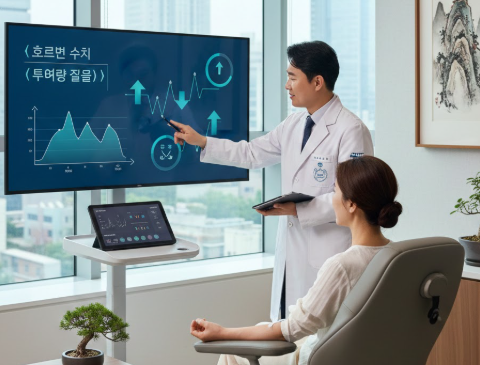
Treatment Overview
Hormone therapy can provide significant benefits for energy, vitality, libido, and overall well-being. However, like all medical treatments, it may come with side effects if not properly monitored. Side effect management involves identifying, preventing, and addressing adverse reactions to hormone therapy, ensuring patients experience maximum benefits safely. Korean clinics offer comprehensive care to manage and minimize any risks.
Purpose & Benefits
The main purposes of side effect management in hormone therapy are:
- Early detection of hormone-related complications
- Minimizing discomfort and health risks associated with therapy
- Maintaining therapy effectiveness without interruptions
Benefits include:
- Safer, more effective hormone replacement therapy
- Improved patient comfort and adherence to treatment
- Personalized adjustments for optimal hormone balance
Ideal Candidates
Side effect management is essential for:
- Patients undergoing testosterone replacement therapy (TRT)
- Individuals receiving DHEA, HGH, thyroid, or progesterone therapy
- Adults with age-related hormonal decline
- Anyone who experiences side effects during hormone therapy
Possible Risks & Complications
Without proper management, hormone therapy side effects may include:
- Fluid retention or weight fluctuations
- Acne, oily skin, or hair growth changes
- Mood swings, irritability, or sleep disturbances
- Rare cardiovascular, metabolic, or liver complications
- Hormonal imbalance due to incorrect dosing
Techniques & Technology Used
Korean clinics use advanced monitoring and management techniques:
- Regular hormone panels: Blood or saliva tests to detect imbalances
- Symptom tracking: Digital or in-person assessments of patient-reported side effects
- Dose adjustments: Customizing therapy to prevent or reduce adverse effects
- Lifestyle and nutritional guidance: Supporting therapy with diet, exercise, and stress management
These tools allow physicians to proactively address side effects and optimize treatment.
Treatment Process in Korea
The side effect management process typically involves:
- Initial Assessment: Review medical history, current therapy, and baseline lab results
- Monitoring: Regular blood or saliva testing to track hormone levels
- Symptom Evaluation: Documenting patient experiences and potential side effects
- Dose Adjustment: Modifying therapy based on lab results and symptoms
- Follow-Up: Continuous monitoring to ensure therapy remains safe and effective
Recovery & After-Care
After adjustments or interventions, patients can generally resume normal activities immediately. After-care includes:
- Adhering to updated therapy instructions
- Reporting any new or persistent symptoms promptly
- Maintaining follow-up appointments for continued safety
Results & Longevity
Effective side effect management ensures:
- Hormone therapy remains safe and beneficial over the long term
- Patients maintain improved energy, libido, mood, and vitality
- Complications are minimized and resolved quickly when they occur
Long-term monitoring allows therapy benefits to be sustained safely.
Why Korea Is a Top Destination
Korea is a leading destination for hormone therapy side effect management due to:
- Experienced endocrinologists and hormone specialists
- Advanced laboratories for precise hormone testing
- Personalized care and follow-up protocols
- Competitive pricing with high-quality international-standard services
- English-friendly clinics and streamlined processes for medical tourists
Cost Range
Side effect management sessions in Korea typically cost $100 to $300 USD per visit, depending on the type of hormone therapy, testing required, and clinic services. Some clinics offer package deals including testing, consultation, and therapy adjustments.
Popular Clinics in Korea
Top clinics for hormone therapy side effect management include:
- Banobagi Medical Group – Comprehensive monitoring and individualized therapy adjustment
- Grand Seoul Hospital – Advanced endocrinology and hormone safety programs
- JK Plastic Surgery & Medical Clinic – Integrated therapy and lifestyle support
- ID Hospital – International patient-friendly monitoring and side effect management


