
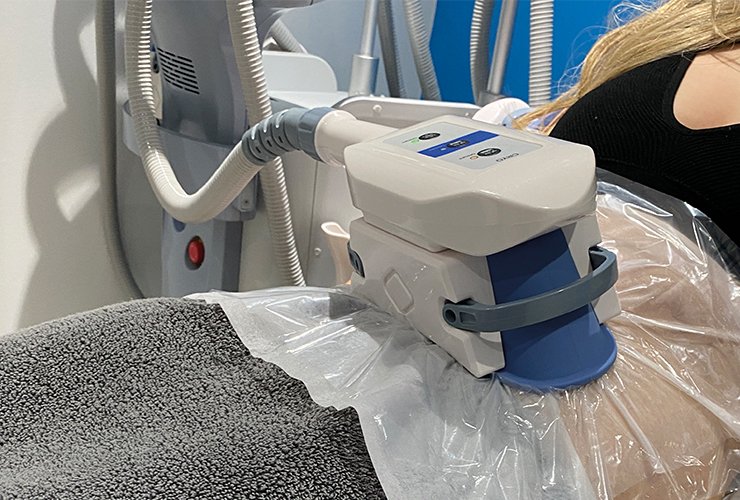
In Korea, where advanced cosmetic technology meets precision aesthetics, cryolipolysis—better known as fat freezing—has become one of the most popular non-surgical body contouring treatments. Whether you’re a local resident or a medical tourist seeking a slimmer silhouette, this cutting-edge procedure offers a safe, effective, and downtime-free alternative to liposuction.
But how exactly does cryolipolysis work? What makes it so effective? In this guide, we break down the science behind fat freezing, why it’s booming in Korea, and what results you can expect.
🧊 What Is Cryolipolysis?
Cryolipolysis is a non-invasive fat reduction technique that uses precisely controlled cooling to target and eliminate stubborn fat cells beneath the skin. It’s most commonly associated with the brand name CoolSculpting®, though many clinics in Korea also use advanced local alternatives like Clatuu Alpha, CoolShaping, and Cryo360.
Unlike liposuction, cryolipolysis does not require surgery, anesthesia, or recovery time, making it especially appealing to busy individuals and international visitors.
🔬 The Science Behind Fat Freezing
Cryolipolysis is based on a concept called selective cryolysis—the ability to freeze fat without damaging the surrounding skin or tissues.
Here’s how the process works at the cellular level:
1. Fat Cells Are Temperature-Sensitive
Fat cells (adipocytes) are more susceptible to cold temperatures than skin, muscle, or nerves. When exposed to cold, they undergo a process called apoptosis, or programmed cell death.
2. Targeted Cooling Crystallizes Fat
During the procedure, a cooling applicator is placed on the skin’s surface. The vacuum applicator gently pulls the skin and underlying fat into a chamber where it is cooled to about -11°C to 0°C. At this temperature, fat cells crystallize, while other tissues remain unharmed.
3. Cell Death and Elimination
The frozen fat cells die off and are gradually removed by the body’s lymphatic system over the course of several weeks. The body does not regenerate these fat cells, making the results long-lasting with proper diet and exercise.
4. Visible Fat Reduction
As the body metabolizes the damaged fat cells, treated areas begin to appear slimmer and more contoured, typically within 4 to 12 weeks after the procedure.
🧪 Backed by Clinical Research
Cryolipolysis is FDA-approved and supported by numerous clinical studies:
- A 2009 study published in Lasers in Surgery and Medicine showed an average fat layer reduction of 22% after a single treatment.
- Long-term follow-up studies have confirmed that results can last for years if weight is maintained.
- Korea’s own aesthetic medicine community has conducted several studies proving the safety and efficacy of local fat-freezing devices compared to international brands.
📍 Why It’s So Popular in Korea
Korea has rapidly embraced cryolipolysis for several key reasons:
✅ 1. Advanced Equipment
Korean clinics often use the latest-generation fat freezing devices that offer:
- Dual applicators for faster treatment
- 360° cooling for more uniform fat reduction
- Applicators for hard-to-treat areas like chin and knees
✅ 2. Highly Trained Aesthetic Practitioners
Korean cosmetic specialists are known for their precision and artistry, ensuring the results are not just about fat loss—but balanced, natural-looking body contours.
✅ 3. Affordable Pricing
Compared to the U.S., Europe, or Australia, Korea offers competitive pricing for cryolipolysis. Clinics frequently run promotions, bundle packages, or offer discounts for multiple sessions.
✅ 4. Tourist-Friendly Clinics
From English-speaking staff to airport pickup and accommodation assistance, many Korean clinics are designed with medical tourists in mind.
⚙️ What Happens During a Cryolipolysis Session?
A typical fat-freezing session in Korea follows these steps:
- Consultation and Body Assessment
A specialist evaluates your body composition and recommends treatment zones. - Marking and Applicator Placement
The target area is marked, and a cooling gel pad is applied to protect the skin. The applicator is then attached with gentle suction. - Cooling Phase (35–60 minutes)
You’ll feel intense cold for the first 5–10 minutes, then the area numbs. Most patients read, nap, or watch videos during this time. - Massage and Recovery
After the applicator is removed, the area is massaged to help break up frozen fat cells. There is no need for downtime—you can resume normal activities immediately.
🧊 What Areas Can Be Treated?
Cryolipolysis is FDA-cleared and MFDS-approved for multiple body zones, including:
| Treatment Area | Common Concerns Targeted |
|---|---|
| Abdomen | Belly fat, postpartum bulge |
| Flanks (love handles) | Muffin top, waist fat |
| Thighs (inner/outer) | Saddle bags, thigh gap contour |
| Chin (submental) | Double chin, jawline sculpting |
| Arms | Upper arm fat, bat wings |
| Back | Bra fat, lower back rolls |
| Knees | Inner knee fat |
⏱️ When Will You See Results?
- Initial changes may be visible in 3–4 weeks.
- Final results typically take 2–3 months.
- Your body continues to flush out fat cells for up to 6 months.
🔁 Multiple sessions may be recommended for optimal results, especially in thicker fat areas.
💬 Common Questions About Cryolipolysis
❓ Is Cryolipolysis painful?
Most patients experience only mild discomfort during the first few minutes of cooling and during post-treatment massage. The treated area may feel numb or tingly for a few days.
❓ Can fat come back after treatment?
Fat cells destroyed by cryolipolysis are permanently eliminated, but weight gain can cause remaining fat cells to enlarge. Maintaining a healthy lifestyle is key.
❓ How many sessions will I need?
Many patients see visible improvement with just one session per area, but 2–3 sessions may be needed depending on your goals.
💸 Cryolipolysis Cost in Korea
| Treatment Area | Average Cost per Session (USD) |
|---|---|
| Chin | $200 – $400 |
| Abdomen | $400 – $800 |
| Thighs | $400 – $700 |
| Flanks | $350 – $600 |
💡 Discounts available for multi-zone or multi-session packages.
🌟 Why International Patients Love It
- Quick treatment (great for short-term trips)
- Safe, effective, and non-invasive
- Easy recovery—no need to interrupt your vacation
- Ideal add-on to other cosmetic treatments like facials or skin tightening
✈️ Planning Your Fat-Freezing Trip to Korea?
Korean clinics offer free virtual consultations, treatment planning, and even hotel partnerships to ensure a smooth experience for medical tourists.
📌 Summary: The Power of Fat Freezing in Korea
Cryolipolysis is not just a beauty trend—it’s a scientifically-backed, results-driven fat reduction treatment that fits seamlessly into Korea’s precision aesthetic culture. With world-class technology, skilled providers, and a reputation for excellence, Korea is a top destination for safe, effective, and affordable fat freezing.


