
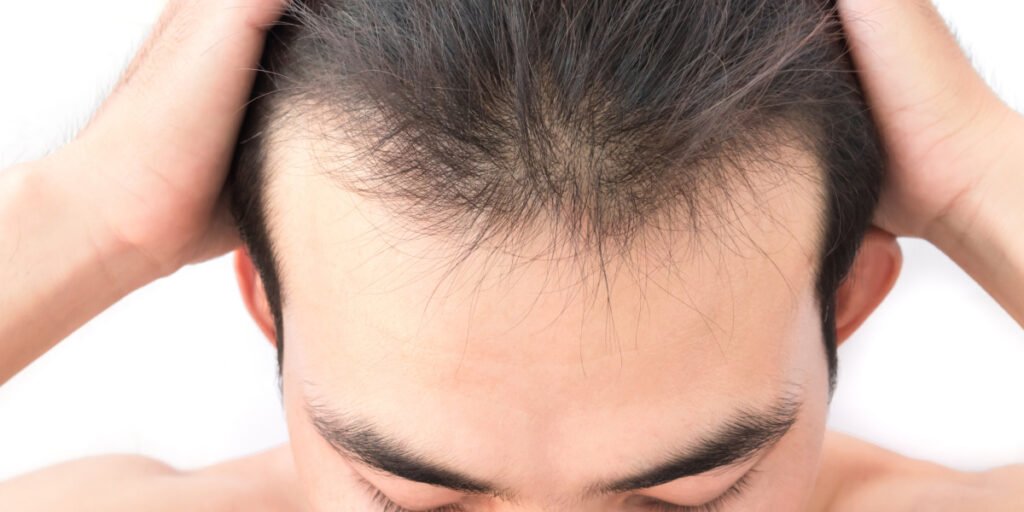
In the pursuit of effective solutions for hair loss, patients often ask a crucial question:
“Should I stick with FDA-approved medications like Minoxidil or Finasteride, or try modern therapies like stem cell treatments?”
South Korea, known for its leadership in both regenerative medicine and cosmetic dermatology, is home to many clinics offering stem cell therapy, Minoxidil, and Finasteride — often in customized combinations. Here’s a complete breakdown of how these options compare, based on clinical use and expert recommendations from Korean doctors.
🧪 1. Mechanism of Action: How They Work
🔹 Stem Cell Therapy
Stem cell treatments (using ADSCs, exosomes, or conditioned media) work by regenerating damaged follicles, reactivating dormant ones, and improving the scalp microenvironment.
- Stimulates growth factors and angiogenesis
- Reduces inflammation and oxidative stress
- Restores follicle health and cycling
💬 “Unlike drugs, stem cells don’t force growth — they revive the scalp’s natural function.” – Dr. Lee, Regenerative Dermatology Clinic, Seoul
🔹 Minoxidil (Topical)
Minoxidil is a vasodilator that increases blood flow to the scalp and prolongs the anagen (growth) phase of the hair cycle.
- FDA-approved for both men and women
- Applied topically 1–2 times a day
- Results appear after 3–6 months
💬 Korean Insight: “Minoxidil is effective for certain types of hair loss but needs strict daily adherence, or regrowth stops.”
🔹 Finasteride (Oral)
Finasteride blocks 5-alpha-reductase, reducing DHT — the hormone responsible for shrinking hair follicles in androgenetic alopecia.
- FDA-approved for male pattern baldness
- Taken daily as a pill
- Long-term treatment (6–12+ months)
💬 Korean Insight: “Finasteride is effective for male-pattern baldness but is not used in female patients due to hormonal risks.”
⚖️ 2. Effectiveness: What Korean Clinics Observe
| Outcome | Stem Cell Therapy | Minoxidil | Finasteride |
|---|---|---|---|
| Hair Regrowth | Moderate to High (with active follicles) | Mild to Moderate | High (in DHT-driven cases) |
| Scalp Health | Significantly improved | Mildly improved | No effect |
| Hair Strength/Quality | High | Moderate | Moderate |
| Female Use | Yes (safe & hormone-free) | Yes | No (usually contraindicated) |
💬 Dr. Park, Seoul Skin & Hair Center:
“We use stem cell therapy especially for patients who are not responding to Minoxidil or Finasteride — or for women who can’t take hormonal medications.”
🚨 3. Side Effects: Safety Profile
Stem Cell Therapy:
✅ Generally very safe, especially when using autologous (your own) cells or FDA-cleared lab-processed allogenic media
❌ Minor swelling or redness at injection site
🚫 No systemic or hormonal side effects
Minoxidil:
❌ Scalp irritation, dryness, temporary increased shedding
❌ Must be used continuously — stopping leads to reversal of gains
💊 Low systemic risk
Finasteride:
❌ Hormonal side effects in 1–3% of users: reduced libido, erectile dysfunction, mood changes
🚫 Not recommended for women
🩺 Must be monitored if used long-term
💬 Korean Dermatologist View:
“Finasteride works, but more men are seeking natural, side-effect-free alternatives like stem cells or exosomes.”
🧑⚕️ 4. Treatment Duration & Commitment
| Treatment | Frequency | Duration | Maintenance |
|---|---|---|---|
| Stem Cell Therapy | Monthly (3–6 sessions) | 3–6 months | Optional boosters every 6–12 months |
| Minoxidil | 1–2x daily | Ongoing (indefinitely) | Must be continuous |
| Finasteride | Daily pill | Ongoing (minimum 6–12 months) | Must be continuous |
💬 “Stem cell therapy gives long-term results without daily effort — especially popular among busy professionals.” – Dr. Hwang, Gangnam Clinic for Hair Science
🔄 5. Can They Be Combined?
Yes — and in fact, many Korean clinics recommend combination therapy for enhanced and faster results.
Korean Protocol Example:
- Minoxidil + Stem Cell Microneedling for women
- Finasteride + Exosome Injection for male-pattern baldness
- PRP + Stem Cell Therapy in patients resistant to drug-based options
- Hair Transplant + Post-op Stem Cell Boosters for graft survival and surrounding hair preservation
💬 “Using drugs to suppress DHT and stem cells to revive the scalp gives a dual benefit — suppression + stimulation.” – Dr. Kim, Korea Hair Lab
🏁 Final Thoughts: What Korean Clinics Recommend
| Patient Profile | Recommended Approach |
|---|---|
| Women with diffuse thinning | Stem cell therapy + Minoxidil |
| Men with early-stage hair loss | Finasteride + stem cell maintenance |
| Men with strong side effects to Finasteride | Stem cell-only therapy |
| Patients preferring drug-free treatment | Stem cell or exosome therapy |
| Hair transplant patients | Combine stem cell therapy for faster recovery |
📌 Summary
| Aspect | Stem Cell Therapy | Minoxidil | Finasteride |
|---|---|---|---|
| Mechanism | Regenerative | Vasodilation | Hormonal (DHT blocker) |
| Safe for Women | ✅ Yes | ✅ Yes | ❌ No |
| Side Effects | Minimal | Mild | Hormonal |
| Long-Term Benefit | Yes (slower, deeper) | Only with continued use | Yes, with maintenance |
| Korean Clinics Recommend | For all genders, early & moderate loss | As daily topical support | For male-pattern baldness under supervision |
💡 Takeaway: “Stem cell therapy offers a natural, side-effect-free solution with growing popularity in Korean aesthetic medicine — especially when combined with traditional treatments.”


