
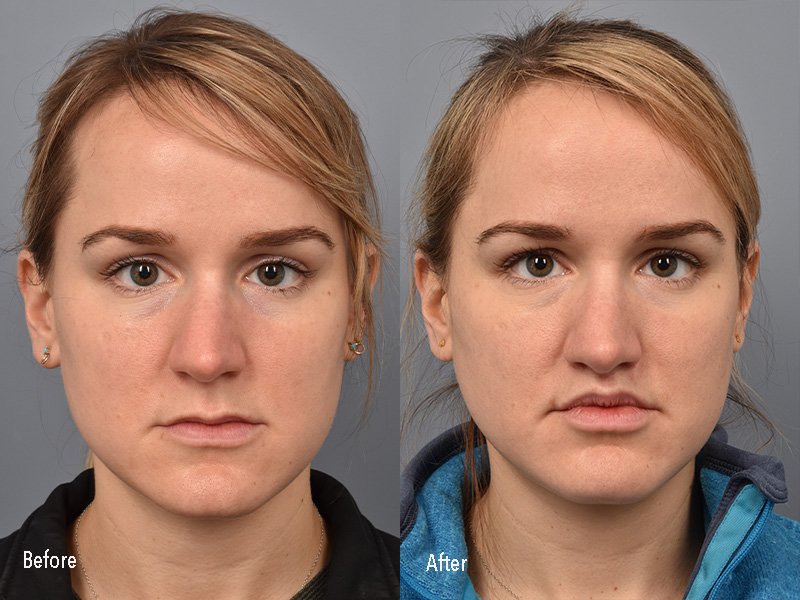
If you’re exploring lip enhancement options, you’ve likely asked yourself: “How long does a lip lift last?” Unlike dermal fillers that provide temporary volume, a lip lift offers a permanent solution to rejuvenate the upper lip and improve facial harmony. In this post, we’ll break down how long lip lift results truly last, what affects their longevity, and how they compare to other lip-enhancing treatments.
What Is a Lip Lift?
A lip lift is a minor surgical procedure that shortens the distance between the base of the nose and the top of the upper lip (called the philtrum). This creates a more youthful, lifted appearance by:
- Revealing more of the pink (vermillion) portion of the upper lip
- Enhancing lip definition and tooth show
- Restoring balance to the lower third of the face
The most common technique is the bullhorn lip lift, which involves an incision hidden along the natural crease beneath the nose.
So, How Long Does a Lip Lift Last?
In short: Lip lift results are permanent.
Once the skin has been lifted and sutured, it does not revert back to its original position. Unlike fillers that dissolve over time, a lip lift changes the actual structure of the upper lip—meaning you can enjoy the benefits for a lifetime.
However, it’s important to understand that no procedure stops the natural aging process. Over time, you may notice:
- Gradual changes in skin elasticity
- Subtle elongation of the upper lip due to aging
- Shifts in volume or texture as part of overall facial aging
Still, the lift achieved from the surgery remains, and most patients do not require a second procedure.
Comparing Lip Lift vs. Lip Fillers
| Feature | Lip Lift | Lip Fillers |
|---|---|---|
| Longevity | Permanent | Temporary (4–12 months) |
| Volume Added | Minimal/none | Yes (adds fullness) |
| Improves Tooth Show | Yes | No |
| Corrects Long Upper Lip | Yes | No |
| Requires Maintenance | No | Yes (regular re-injections) |
| Downtime | 5–7 days | None to minimal |
| Cost Over Time | One-time cost | Ongoing expense |
Lip fillers are great for adding volume, especially to naturally thin lips, but they can’t lift the lip or improve upper lip length. Many patients who are tired of the temporary nature of fillers or who want more structural change find that a lip lift is a more satisfying long-term solution.
What Affects the Longevity of a Lip Lift?
Even though the surgical results are permanent, several factors can influence how your results age over time:
- Skin quality and elasticity: Genetics and sun exposure affect how your skin ages.
- Lifestyle habits: Smoking and poor skincare can accelerate aging.
- Facial expressions and muscle tone: Frequent expressions can slowly affect tissue tension.
- Overall aging process: Gravity and volume loss in surrounding areas may subtly affect lip position with time.
Will I Ever Need a Touch-Up?
In most cases, touch-up surgery is not needed. However, some patients—especially those who undergo the procedure at a younger age—may opt for a revision years later if aging changes the facial structure significantly. This is uncommon and typically not required for at least 10–15 years, if ever.
Maintaining Results Long-Term
To help preserve your beautiful lip lift results, consider the following tips:
- Use daily SPF on the upper lip and nose
- Avoid smoking
- Practice a good skincare routine focused on collagen support
- Stay hydrated and maintain a healthy lifestyle
These habits can slow the aging process and help your results continue to look youthful and fresh for many years.
Final Thoughts
So, how long does a lip lift last? The answer is simple: It’s a permanent enhancement. If you’re looking for a lasting way to improve the balance of your facial features and achieve a more youthful, defined smile, a lip lift could be the ideal procedure. With one short surgery and minimal downtime, you can enjoy the results for years—without the hassle of frequent maintenance.


