
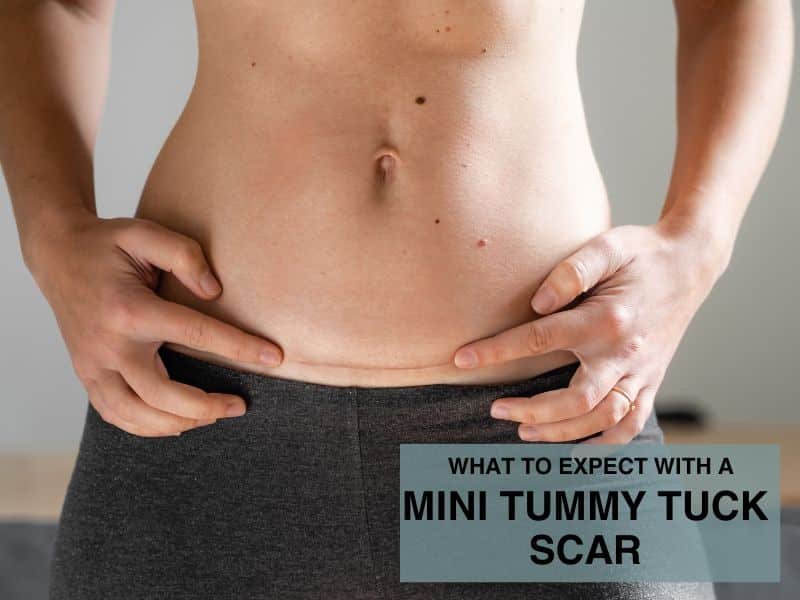
A tummy tuck—also known as abdominoplasty—can dramatically improve your abdominal contour by removing excess skin and fat and tightening weakened abdominal muscles. It’s a highly effective body contouring procedure that delivers both aesthetic and functional benefits. But one of the most common questions patients ask is: “How long do tummy tuck results last?”
The short answer: Tummy tuck results are generally long-lasting, but maintaining them depends on several lifestyle and health factors. Below, we break down what you can expect in the months and years following your procedure.
What Does a Tummy Tuck Actually Do?
Before exploring longevity, it helps to understand what a tummy tuck accomplishes:
- Removes excess, sagging skin—often from weight loss or pregnancy
- Tightens separated or weakened abdominal muscles (diastasis recti)
- Removes small to moderate amounts of stubborn fat (especially if combined with liposuction)
- Improves abdominal contour and posture
These changes are designed to be permanent, but your body can change over time.
How Long Do Tummy Tuck Results Last?
🕒 Permanent Changes – With Caveats
- Skin and fat removal: The tissue that’s removed during surgery is gone for good—it will not “grow back.”
- Muscle repair: If the abdominal wall has been repaired, the effects can last indefinitely unless they’re stretched again by pregnancy or significant weight gain.
- Contour improvement: A flatter, firmer midsection can be maintained for many years with proper care.
However, future pregnancies, major weight fluctuations, or aging can alter your results.
Factors That Affect the Longevity of Tummy Tuck Results
1. Lifestyle and Weight Management
Your tummy tuck results can be long-lasting if you maintain a stable, healthy weight. Significant weight gain or loss can stretch the skin again or create new fat deposits, reversing some of the contouring benefits.
Tip: Adopt a consistent exercise routine and balanced diet to preserve your results.
2. Pregnancy After a Tummy Tuck
Pregnancy after a tummy tuck can:
- Stretch the abdominal muscles again
- Reintroduce loose skin
- Disrupt surgical repair
Recommendation: If possible, wait until you’re done having children before undergoing a tummy tuck to maximize the longevity of your results.
3. Aging and Skin Elasticity
No surgery can stop the natural aging process. Over time, skin may gradually lose elasticity, which can lead to mild sagging. However, most patients retain a significantly improved abdominal shape even decades after surgery.
Good news: The skin that was most damaged or stretched is typically removed during surgery, meaning your abdomen may age more gracefully than it would have otherwise.
4. Surgical Technique and Surgeon Skill
The longevity of your tummy tuck results can also depend on:
- How thoroughly the abdominal muscles are repaired
- Whether liposuction is used to enhance contour
- The overall quality of the surgical work
Choose a board-certified plastic surgeon with extensive experience in body contouring procedures to ensure optimal, long-term outcomes.
Typical Timeline of Tummy Tuck Results
👶 Immediately Post-Op:
- Swelling, bruising, and tightness are normal.
- Final results are not yet visible.
📆 3–6 Months Post-Op:
- Swelling subsides.
- You’ll begin to see a flatter, smoother, and more toned abdomen.
⏳ 1 Year and Beyond:
- Scars begin to fade.
- Results stabilize and become long-term.
- With a healthy lifestyle, many patients report being satisfied with their results 10–15 years after surgery.
Can You Extend the Life of Your Tummy Tuck Results?
Yes! Here’s how to protect your investment:
- Maintain a stable weight – Avoid significant weight gain or loss.
- Eat a balanced, nutrient-rich diet – Focus on lean proteins, healthy fats, and fiber.
- Stay active – Include cardiovascular exercise and core-strengthening workouts.
- Avoid smoking – Smoking can impact skin quality and healing.
- Practice good skincare – Moisturize, use sunscreen, and treat scars as directed.
Final Thoughts
Tummy tuck results can last many years—even a lifetime—if you care for your body and avoid future pregnancies or major weight changes. While aging is inevitable, your abdomen will likely always look better than if you had not undergone the procedure at all.
If you’re considering a tummy tuck, speak with a board-certified plastic surgeon about your goals, lifestyle, and whether this procedure is the right fit for you. With the right planning and care, the results can be truly life-changing.


