
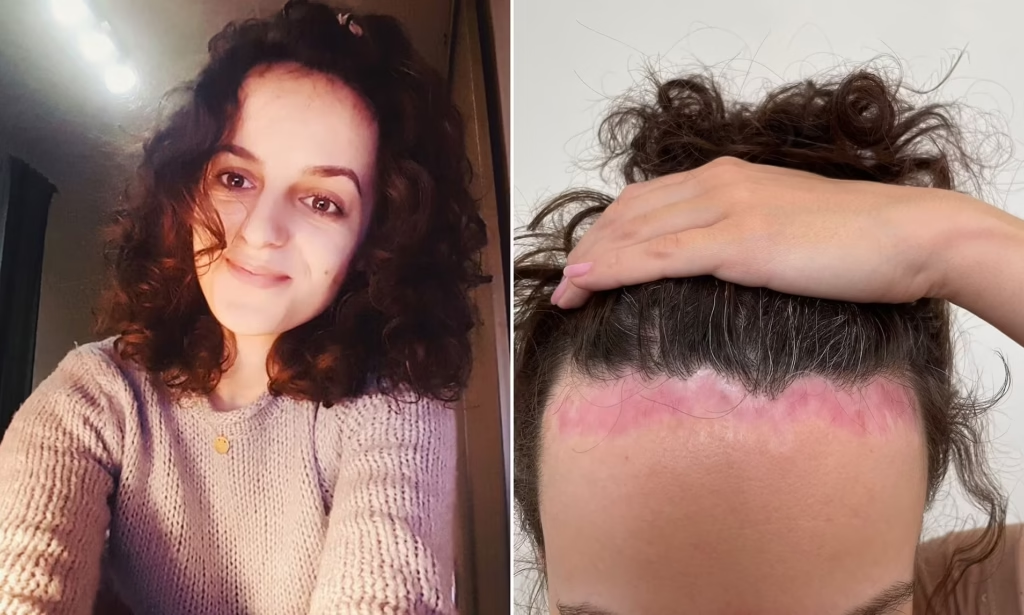
Hairline correction surgery is a precise and delicate procedure that requires skilled planning, artistry, and technique. Many patients—especially medical tourists—want to know how much time to set aside for the full process, from consultation to recovery. Korean clinics are known for their efficient and patient-friendly approach while maintaining high safety and aesthetic standards.
Let’s break down the full timeline and what to expect at each stage:
📅 1. Initial Consultation (30–60 minutes)
Time Required: 30 to 60 minutes
Setting: In-person or online (for international patients)
What Happens:
- Detailed facial analysis and discussion of concerns
- Evaluation of current hairline shape, scalp laxity, and hair density
- Custom design of ideal hairline shape and position
- 3D simulation or digital sketch to visualize results
- Preoperative instructions and planning, including medical history review
📝 Tip from Korean Clinics: Many offer virtual consultations with multilingual coordinators for international patients who want to plan ahead before traveling.
🛌 2. Preoperative Preparation (1–2 hours on surgery day)
Time Required: 1 to 2 hours
Includes:
- Admission to the clinic or surgical suite
- Medical check-up, consent signing, and pre-op photos
- Scalp cleansing and sterilization
- Marking of the new hairline shape
- Administration of local anesthesia with sedation or general anesthesia
✂️ 3. Surgical Procedure (2–5 hours)
Total Surgery Time: 2 to 5 hours
Factors Affecting Time:
- Complexity of the hairline design
- Need for scalp advancement, grafting, or combination treatments
- Whether hair transplant (FUE or FUT) is included
Types of Procedures:
a) Hairline Lowering Surgery (Scalp Advancement)
Duration: 2 to 3 hours
- A curved incision is made along the marked hairline
- Hair-bearing scalp is advanced forward
- Excess forehead skin is removed
- Incision is closed using scar-minimizing techniques like trichophytic closure
b) Hairline Correction + Hair Transplantation
Duration: 4 to 5 hours
- Hair follicles are extracted and transplanted along the hairline for density
- Especially common for reshaping M-shaped or asymmetrical hairlines
🧑⚕️ Korean Insight: Clinics typically work with dual teams (surgeon + technicians) to reduce time while ensuring accuracy and comfort.
🛌 4. Immediate Post-Op Recovery (1–2 hours at the clinic)
Time Required: 1 to 2 hours
What Happens:
- You’ll be moved to a recovery area to rest
- Post-op monitoring for any side effects
- Detailed aftercare instructions are provided
- Medications (antibiotics, pain relievers) are given
- Discharge on the same day (outpatient procedure)
📆 5. Recovery & Follow-Up Timeline
Day 1–3:
- Swelling and mild discomfort around the forehead and eyes
- Use of cold compress and head elevation recommended
Day 4–7:
- Scalp starts healing; patients can resume light activities
- Stitches may be visible if scalp advancement was done
Day 7–10:
- Suture removal (for scalp advancement cases)
- Return visit to clinic or instruction for local suture removal (for international patients)
Week 2–4:
- Most swelling resolves
- Hairline starts settling into natural position
- You may return to regular life and work
⏱️ Summary: Total Time Needed
| Stage | Approximate Time |
|---|---|
| Initial Consultation | 30–60 minutes |
| Preoperative Prep | 1–2 hours |
| Surgery Duration | 2–5 hours |
| Immediate Recovery at Clinic | 1–2 hours |
| Total (On Surgery Day) | 4–8 hours (outpatient) |
🌍 Special Considerations for International Patients
- Total trip duration in Korea: 7–10 days is ideal to allow for consultation, surgery, suture removal, and a short recovery before flying back.
- Follow-ups: Most Korean clinics offer virtual follow-ups or partner with local clinics in your country.
✅ Final Thoughts
Hairline correction surgery in Korea is a one-day outpatient procedure, but the expertise and planning behind it are what make it so effective. From precise pre-op design to efficient surgery and personalized aftercare, Korean clinics offer a seamless and professional experience for both local and international patients.


