
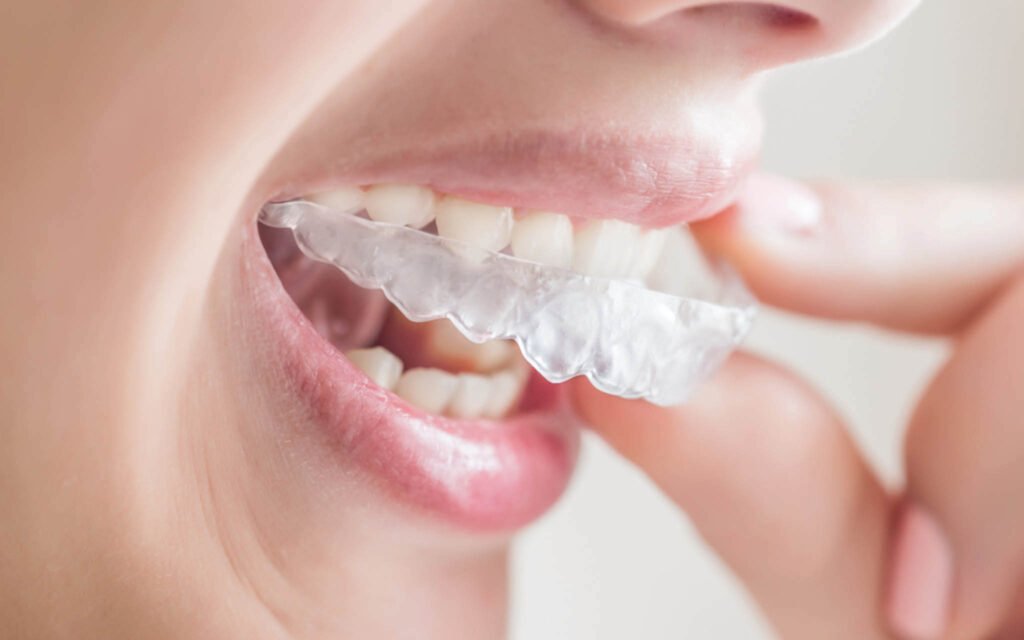
Invisalign has become one of the most popular orthodontic solutions in Korea—especially among adults and international patients who prioritize aesthetics and comfort. But one of the most common questions asked before starting is: “How long does Invisalign treatment take?”
The answer depends on individual dental conditions, treatment goals, and compliance with wearing the aligners. Below is a detailed timeline and expert insight from top Korean Invisalign providers.
🕒 Average Invisalign Treatment Duration in Korea
- Mild Cases: 3–6 months
(e.g., minor crowding, small gaps) - Moderate Cases: 6–12 months
(e.g., moderate spacing, slightly rotated teeth) - Complex Cases: 12–24 months
(e.g., severe misalignment, overbite, underbite)
Korean dental clinics use advanced digital planning tools like iTero 3D scans and AI simulation software to estimate your personalized timeline accurately—even during the first consultation.
🔄 Invisalign Treatment Timeline: Step-by-Step in Korean Clinics
1. Virtual or In-Person Consultation (Day 0 – 7)
- Korean clinics offer online or in-person assessments to determine if Invisalign is suitable.
- Digital photos, X-rays, and scans are used to evaluate bite alignment and dental history.
- If you’re a medical tourist, many clinics provide same-day scans and treatment planning.
⏱ Time needed: 30 minutes to 1 hour
2. 3D Smile Simulation & Treatment Plan (Week 1–2)
- Clinics use digital smile design software to show a preview of your future smile.
- You’ll receive a detailed timeline, aligner count, and cost estimate.
- Once you approve, your aligners are custom-made.
⏱ Time needed: 1–2 weeks for aligner production and delivery
3. First Aligner Fitting (Week 2–3)
- Your Korean dentist will show you how to wear, remove, and clean your aligners.
- Attachments (small, tooth-colored bumps) may be applied to help guide tooth movement.
- You’ll typically receive your first set of aligners to change every 1–2 weeks.
⏱ Time needed: 45 minutes to 1 hour
4. Active Treatment Phase (Month 1–12+)
- You’ll wear aligners 20–22 hours a day, switching to the next tray every 1–2 weeks.
- Follow-up visits are scheduled every 6–8 weeks (less frequent than with braces).
- Korean clinics often use remote monitoring apps to track your progress if you’re a tourist or expat.
Patient compliance is key—not wearing the trays as directed can delay results.
5. Final Adjustments (Month 6–24)
- Near the end of your treatment, Korean dentists may make refinements (called “mid-course corrections”) using new scans and additional trays.
- This step ensures precise alignment and optimal bite results.
6. Retainer Phase (Post-Treatment)
- After completing the last aligner, a clear retainer is worn to prevent teeth from shifting back.
- Many Korean clinics offer retainers included in the Invisalign package.
- You’ll wear the retainer full-time for a few months, then only at night.
Ongoing check-ins may be virtual or scheduled if you remain in Korea.
🎯 Factors That Affect Invisalign Treatment Duration
- Severity of misalignment
- Age (younger patients may see faster results)
- Discipline in wearing aligners
- Bone density and dental health
- Type of tooth movement required (e.g., rotations or vertical movement take longer)
🇰🇷 Why Choose Korea for Invisalign?
- High-tech diagnostics: Clinics in Seoul, Busan, and Incheon use AI-powered software and 3D printing for precise aligner creation.
- Multilingual support: English-speaking staff, expat care specialists, and online consults are standard.
- Efficient timelines: Streamlined treatment planning means you can begin within a week of arrival—even on a short trip.
- Affordability: Invisalign in Korea often costs 30–50% less than in the U.S. or Europe.
🧳 Tip for International Patients
If you’re visiting Korea for Invisalign:
- Plan for at least 2–3 weeks for initial scans, production, and fitting.
- After that, aligners can be shipped to you abroad, or follow-up can be done via remote check-ins.
- Some clinics even offer retreat packages that combine orthodontic care with tourism and wellness experiences.
Final Thoughts
Invisalign in Korea offers a smart, efficient path to straighter teeth—with personalized timelines based on your goals and dental complexity. Whether you need a simple correction or a more in-depth transformation, Korean clinics provide clear communication, world-class care, and beautiful results.


