
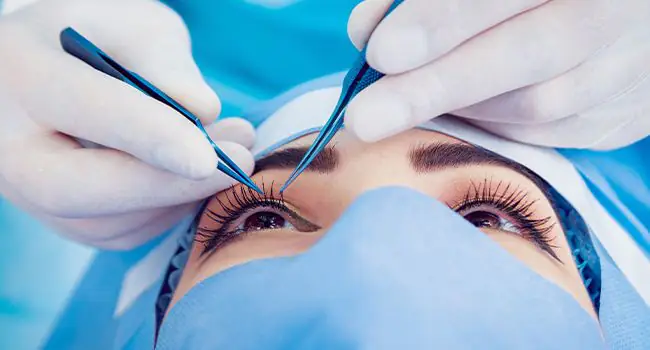
SMILE eye surgery (Small Incision Lenticule Extraction) is a modern, minimally invasive laser procedure that corrects myopia (nearsightedness) and astigmatism. One of the most common questions patients ask before committing to SMILE is:
“How long will it take before I can see clearly?”
The answer depends on several factors, including your prescription, healing response, and adherence to post-op care. This guide provides a detailed timeline and outlines what to expect in terms of vision clarity after SMILE surgery.
🕒 Quick Answer: When Will You See Clearly?
- Initial clarity: Within 24–48 hours
- Functional vision: Usually by Day 3–7
- Stable, sharp vision: Around 2–4 weeks
- Final visual results: By 3 months
While many patients see immediate improvement, full visual clarity typically develops gradually.
👁️ Immediate Post-Surgery Vision (Day 0–1)
- Blurriness and haziness are common immediately after surgery.
- Vision may be foggy or filmy, like looking through a wet windshield.
- You may notice some light sensitivity, tearing, or mild discomfort.
👨⚕️ Why This Happens:
The corneal tissue needs time to settle after laser reshaping. The body also begins its natural healing process, which can cause temporary irregularities in the visual field.
✅ Most patients notice some improvement by the end of Day 1.
🗓️ Days 2–7: Rapid Improvement in Clarity
- Vision typically becomes functional for daily activities like walking, driving short distances, and using a computer.
- Expect mild fluctuations throughout the day, especially in the evening or in low light.
📌 What’s Still Common:
- Halos or glare around lights at night
- Dryness or tired eyes after screen use
- Slightly fuzzy or inconsistent sharpness
✅ By the end of the first week, many patients can drive legally without glasses.
🗓️ Week 2: Enhanced Sharpness and Stability
- Vision becomes sharper and more consistent.
- Night vision symptoms, such as halos and glare, typically start to reduce.
- Depth perception and contrast improve as both eyes stabilize together.
🧴 Care Tips:
- Continue using lubricating eye drops.
- Avoid environments that can irritate your eyes (dust, wind, excessive screen time).
- Follow your doctor’s tapering instructions for post-op medications.
✅ Many patients return to normal work, study, or light sports with minimal visual disruption.
🗓️ Weeks 3–4: High-Definition Vision Settles In
- Visual acuity typically reaches 20/20 or better by this stage for most patients.
- Night vision and contrast sensitivity are nearly back to normal.
- Your brain has fully adjusted to the new vision input.
🎯 What to Expect:
- Vision is consistent from morning to night.
- Glare, halos, or light sensitivity are rare or gone.
- No more need for glasses or contact lenses.
✅ A follow-up with your surgeon around 1 month will confirm healing and vision stability.
📅 Months 2–3: Final Visual Outcome
- Full visual clarity and long-term stability are achieved.
- Nerve regeneration in the cornea is nearly complete.
- Dry eye symptoms (if any) significantly reduce or disappear.
✅ Your final prescription result is confirmed around 3 months. Vision usually remains stable for years.
⚠️ Factors That Can Affect How Quickly You See Clearly
Not everyone’s recovery follows the same timeline. Here are some factors that may slow or speed up your visual recovery:
| Factor | Effect on Recovery |
|---|---|
| Prescription strength | Higher prescriptions may take longer to stabilize |
| Dry eye condition | May temporarily blur vision or slow healing |
| Age | Older patients may heal slightly more slowly |
| Corneal thickness | Can influence healing dynamics |
| Post-op care compliance | Proper eye drop use and protection speed healing |
| Screen exposure | Excessive screen time may delay clarity |
🎯 Signs of Normal vs. Abnormal Visual Recovery
| Normal Signs | Warning Signs (Call Your Surgeon) |
|---|---|
| Slight daily vision fluctuations | Sudden vision loss or dramatic blurring |
| Halos/glare in the first few weeks | Intense light sensitivity or pain |
| Mild dry eyes | Persistent redness, discharge, or infection |
| Gradual improvement over weeks | No improvement at all after 7–10 days |
✅ Summary: When Can You Expect Clear Vision?
| Timeline | Vision Expectation |
|---|---|
| Day 1 | Blurry but improving; light sensitivity possible |
| Days 2–7 | Functional vision; fluctuations are normal |
| Week 2 | Sharper, more stable clarity |
| Weeks 3–4 | 20/20 vision for most patients; minimal visual symptoms |
| 2–3 Months | Full recovery; long-term visual stability |
🧑⚕️ Final Thoughts
SMILE eye surgery offers a fast and comfortable recovery with fewer complications than traditional LASIK or PRK. Most patients enjoy clear, stable, high-quality vision within 1 month, with minor visual adjustments resolving over the next few weeks.
To ensure the best outcome:
- Follow your post-op instructions closely.
- Attend all follow-up appointments.
- Notify your surgeon of any unexpected changes.


