
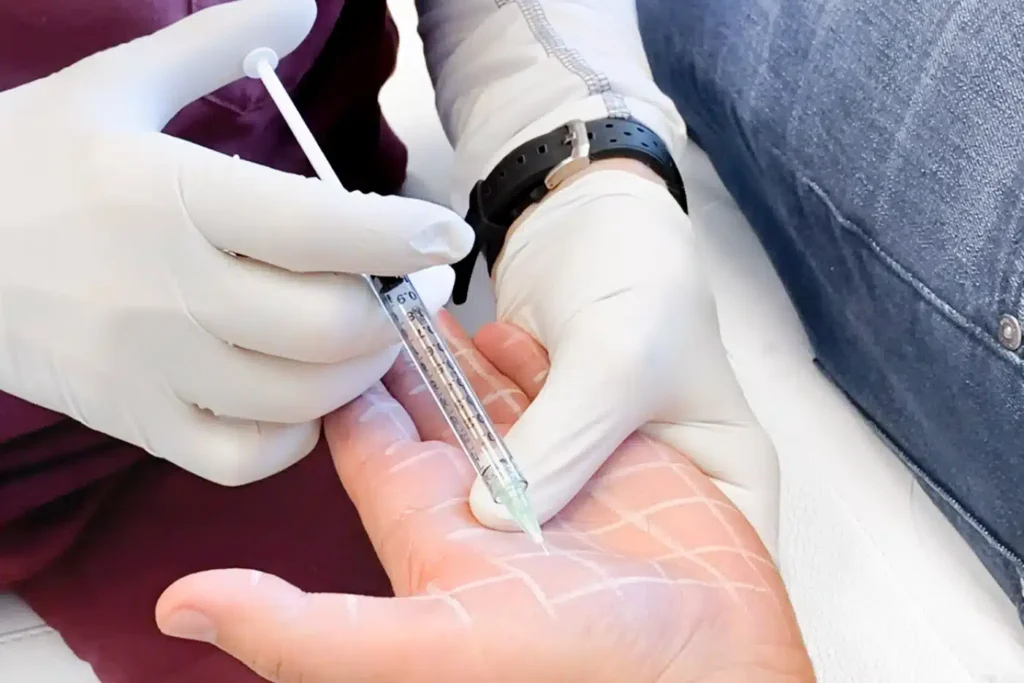
Botox (botulinum toxin type A) has become a widely used treatment for hyperhidrosis—helping countless medical patients control excessive sweating and improve their quality of life. While Botox is generally safe and well-tolerated, like all medical treatments, it can cause some side effects.
Understanding what side effects may occur and how to manage them effectively is crucial for patients to have a positive treatment experience and avoid unnecessary discomfort or complications.
This guide covers the most common side effects of Botox for hyperhidrosis and provides practical tips on managing them safely.
1. Common Side Effects of Botox for Hyperhidrosis
When injected to reduce sweating, Botox can cause:
- Pain, redness, or swelling at injection sites
- Bruising or mild bleeding
- Temporary muscle weakness, especially in palms or feet
- Headache or mild flu-like symptoms
- Dry mouth or fatigue (rare)
- Allergic reactions (very rare)
Most side effects are mild and transient, resolving within a few days to weeks.
2. Managing Injection Site Pain and Discomfort
What Patients Might Experience:
- Mild stinging or burning during injections
- Tenderness or soreness after treatment
How to Manage:
- Apply a cold compress or ice pack to the treated area for 10–15 minutes immediately after injections to reduce swelling and numb discomfort.
- Use over-the-counter pain relievers such as acetaminophen (Tylenol). Avoid NSAIDs like ibuprofen or aspirin immediately after injections if you’re prone to bruising.
- Keep the area clean and dry to prevent infection.
- Avoid rubbing or massaging the treated area for at least 24 hours.
3. Dealing with Bruising or Swelling
What Patients Might Experience:
- Small bruises around injection points
- Mild localized swelling
How to Manage:
- Continue using cold compresses intermittently for the first 24–48 hours.
- Elevate the treated limb if possible (especially for hands or feet).
- Avoid blood-thinning medications and supplements (like fish oil, vitamin E, or aspirin) before and after treatment unless approved by your doctor.
- If bruising is severe or persists beyond 10 days, consult your healthcare provider.
4. Handling Temporary Muscle Weakness
What Patients Might Experience:
- Reduced grip strength or difficulty moving fingers (common with palmar hyperhidrosis treatment)
- Slight foot weakness or difficulty walking if feet are treated
How to Manage:
- Limit strenuous hand or foot activities for the first few days post-treatment.
- Perform gentle range-of-motion exercises as recommended by your provider.
- Be cautious with tasks requiring fine motor skills (e.g., typing, writing) until strength returns.
- Inform your healthcare provider if weakness is severe, progressive, or lasts longer than a few weeks.
5. Managing Headaches or Flu-Like Symptoms
What Patients Might Experience:
- Mild headaches or fatigue shortly after injection
How to Manage:
- Stay well hydrated.
- Rest and avoid strenuous activities.
- Use mild pain relievers if needed.
- Symptoms usually resolve within 24–48 hours.
6. Recognizing and Responding to Allergic Reactions
What Patients Might Experience:
- Rash, itching, swelling (especially of the face or throat)
- Difficulty breathing or swallowing
- Severe dizziness or fainting
How to Manage:
- Seek immediate emergency medical care if you experience any of these symptoms.
- Inform your provider of any previous allergies or reactions to botulinum toxins before treatment.
7. Tips to Minimize Side Effects Before Treatment
- Disclose all medications, supplements, and medical conditions to your provider.
- Avoid blood-thinners and alcohol 24–48 hours before the procedure.
- Discuss any concerns about pain management—topical numbing agents or nerve blocks may be available.
- Follow pre-treatment instructions closely.
8. Aftercare Recommendations for Optimal Recovery
- Avoid vigorous exercise, saunas, or hot showers for 24 hours post-treatment.
- Do not apply makeup or lotions on the treated area for 12 hours.
- Avoid sun exposure or tanning beds until redness or swelling subsides.
- Attend follow-up appointments to monitor results and side effects.
9. When to Contact Your Healthcare Provider
Contact your provider promptly if you experience:
- Severe or worsening pain or swelling
- Signs of infection: warmth, redness, pus
- Prolonged muscle weakness impacting daily function
- Allergic reaction symptoms
- Unusual or persistent side effects beyond 2 weeks
10. Final Thoughts
Botox offers significant relief for medical patients suffering from hyperhidrosis, but understanding how to manage its side effects is key to a successful experience. Most side effects are temporary and manageable with simple home care and clear communication with your healthcare provider.
By preparing ahead and following aftercare guidance, you can minimize discomfort and enjoy the full benefits of reduced excessive sweating.


