
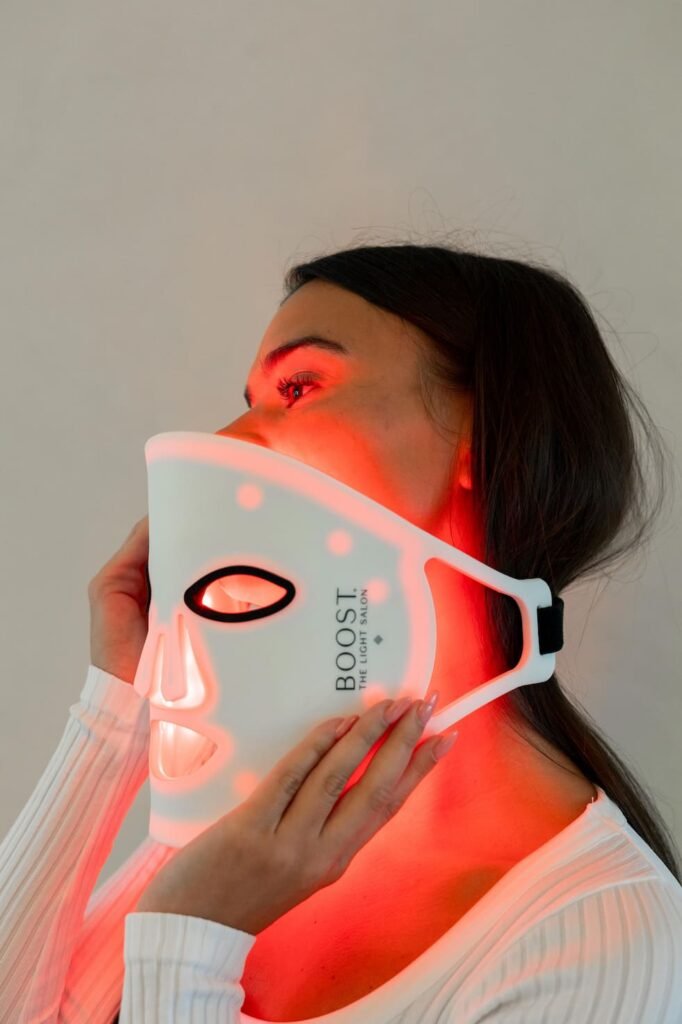
Korea is one of the world’s leading destinations for medical tourism, especially for cosmetic and aesthetic procedures like facelifts, liposuction, rhinoplasty, and more. But what many global patients are now discovering is that post-surgical recovery can be significantly improved with LED light therapy—a safe, non-invasive treatment that accelerates healing, reduces inflammation, and enhances overall skin regeneration.
In this article, we explore how international patients can integrate LED light therapy into their post-operative care during their medical stay in Korea, and why Korean clinics are uniquely positioned to offer this cutting-edge recovery solution.
🌟 What Is LED Light Therapy?
LED (Light Emitting Diode) light therapy uses targeted wavelengths of light to stimulate cellular activity, reduce inflammation, and support tissue repair—all without heat, needles, or downtime. Each color of LED light offers specific benefits:
- Red Light (630–660 nm): Stimulates collagen, reduces inflammation, and promotes wound healing
- Near-Infrared Light (850–950 nm): Penetrates deeper layers to relieve pain and support tissue recovery
- Blue Light (415–450 nm): Antibacterial and calming; helps with post-surgical acne or irritation
- Yellow Light (570–590 nm): Reduces swelling and redness while calming sensitive skin
🏥 Why Medical Tourists in Korea Should Consider LED Light Therapy Post-Surgery
✅ 1. Accelerates Wound Healing
After surgical procedures, the body goes into repair mode. Red and near-infrared LED light stimulate fibroblast activity, boosting collagen and elastin production. This:
- Speeds up tissue regeneration
- Enhances skin elasticity
- Promotes faster wound closure
Many Korean clinics use LED light to minimize visible scarring and ensure smoother healing outcomes.
✅ 2. Reduces Swelling and Bruising
Swelling and bruising are common side effects of surgery, especially for facial procedures like blepharoplasty, rhinoplasty, and facelift. Yellow and red LED light:
- Reduce fluid retention
- Stimulate lymphatic drainage
- Improve microcirculation, which helps fade bruises faster
Korean clinics often include LED light as part of a full lymphatic recovery program.
✅ 3. Manages Post-Surgical Discomfort
Infrared LED therapy is frequently used for:
- Pain relief after surgery
- Muscle relaxation and reduction of tightness
- Improving sleep quality during recovery by calming the nervous system
Korean clinics integrate LED into post-op spa rooms, offering a tranquil environment to relax while the therapy does its work.
✅ 4. Safe for Sensitive, Healing Skin
Unlike lasers or invasive procedures, LED therapy is:
- Non-thermal (no heat damage)
- Non-invasive (no contact or pressure)
- Safe even for recently operated skin
This makes it ideal for patients who have undergone skin tightening, resurfacing, or surgical lifts, when the skin is most fragile and reactive.
✅ 5. Supports Emotional and Mental Recovery
Healing from surgery isn’t just physical—patients often experience stress, fatigue, or low mood. The relaxing, meditative quality of LED light therapy:
- Helps reduce anxiety and tension
- Boosts serotonin and melatonin levels
- Improves mental well-being during recovery
It’s a holistic approach to recovery that blends wellness with skincare.
🇰🇷 What Makes Korea’s LED Recovery Programs Unique?
🌐 1. Integrated Recovery Suites
Many Korean aesthetic and plastic surgery clinics offer in-house LED therapy as part of post-surgical recovery suites. These often include:
- Private recovery rooms
- Daily LED sessions
- IV drips, facial massages, and oxygen therapy
International patients can relax in spa-like surroundings while receiving medical-grade care.
👩⚕️ 2. Medical Supervision by Trained Experts
Korea’s board-certified plastic surgeons and dermatologists work alongside skilled aestheticians to design customized recovery plans. Based on the type of surgery and your skin’s condition, they adjust:
- LED wavelengths
- Frequency and duration
- Combination with other therapies (e.g., Jet Peel, calming masks)
💡 3. Advanced LED Technology
Clinics in Korea use FDA- and KFDA-approved devices such as:
- Healite II
- Celluma PRO
- DermaLux Flex
These devices penetrate skin layers more effectively than at-home masks, delivering clinical-grade healing results safely.
💆 How Medical Tourists Can Schedule LED Light Therapy in Korea
Step 1: Pre-Consultation
Before or during your pre-op consultation, ask your surgeon about LED light therapy options during your recovery stay.
Step 2: Start 1–2 Days After Surgery
Many Korean clinics begin LED sessions within 24–48 hours post-op, depending on the procedure. The treatment is gentle enough for early healing phases.
Step 3: Regular Sessions
You may receive LED light therapy:
- 3–5 times per week for the first 2 weeks
- Once or twice weekly after that to maintain results
Clinics may also offer at-home rental LED devices for longer stays.
🧳 What to Pack & Prepare as a Medical Tourist
- Loose, comfortable clothing for your sessions
- Hydration-focused skincare (or buy top Korean products locally)
- List of medications to share with the clinic before treatment
- Translator apps or concierge service if you’re not fluent in Korean
Tip: Ask if your clinic has English-speaking coordinators or provides written aftercare instructions in English.
💰 Cost of LED Therapy for Post-Surgery Recovery in Korea
Compared to Western countries, Korea offers high-quality care at more affordable prices. Typical costs:
- Per session: ₩30,000–₩70,000 ($25–$55 USD)
- Post-op recovery packages: ₩250,000–₩500,000 for multiple sessions
- Bundled with surgery: Often discounted or complimentary for VIP patients
Many clinics offer custom recovery plans based on your surgery and length of stay.
🌍 Final Thoughts
For international patients undergoing surgery in Korea, LED light therapy is more than a beauty treatment—it’s a clinically proven method to speed recovery, reduce discomfort, and enhance results. With access to world-class medical care and wellness-focused recovery suites, Korea offers a seamless experience for medical tourists seeking fast, comfortable, and holistic healing.


