
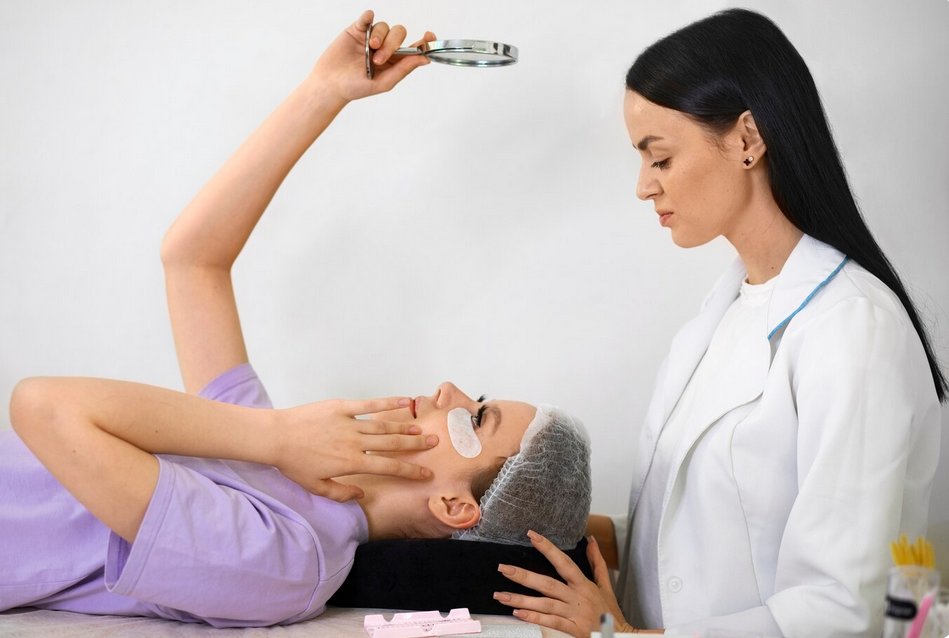
Pigmentation issues like melasma, freckles, sun spots, and post-inflammatory hyperpigmentation (PIH) are among the most common skin concerns globally—particularly among Asian skin types. South Korea, known for its cutting-edge aesthetic dermatology, has embraced Pico laser technology as a first-line solution to effectively and safely treat these issues.
In this in-depth guide, we explain how Pico laser works to break down pigmentation, how it compares to older laser systems, and how Korean clinics personalize treatment protocols to maximize safety and effectiveness—especially for international and ethnic skin patients.
🌈 Understanding Skin Pigmentation
Before diving into Pico laser mechanics, it’s essential to understand how pigmentation occurs.
🧬 What Causes Dark Spots?
- Melanin, the pigment responsible for skin color, can become concentrated in patches due to:
- Sun exposure (solar lentigines or sun spots)
- Hormonal changes (melasma)
- Acne or injury (post-inflammatory hyperpigmentation)
- Genetics (freckles)
These pigments often reside deep in the dermis or are clustered unevenly, making them difficult to treat with topical creams alone.
⚙️ How Pico Laser Works: Scientific Breakdown
Pico laser (short for picosecond laser) is an ultra-fast, high-energy laser that delivers pulses at trillionths of a second (10⁻¹² seconds)—much faster than older nanosecond lasers.
🔬 The Mechanism:
- Photoacoustic Effect
- Instead of heating the pigment like traditional lasers, Pico laser shatters pigment particles mechanically using acoustic pressure.
- This means less thermal damage, which is safer for melanin-rich skin.
- Fragmentation of Melanin
- The shattered pigment particles are broken down into tiny dust-like fragments.
- These fragments are naturally eliminated by the body’s lymphatic system over time.
- Precision Targeting
- Pico lasers can precisely adjust the wavelength (e.g., 532nm, 755nm, 1064nm) to target specific pigment depths, whether superficial or deep.
🔍 Why It’s Superior for Asian & Ethnic Skin: Korean Clinic Approach
👩🏻⚕️ Korean Dermatology Guidelines Emphasize:
- Lower risk of post-treatment pigmentation (PIH) due to reduced heat
- Custom energy settings based on Fitzpatrick skin type (common among Asian patients: Type III–V)
- Multiple sessions spaced 2–4 weeks apart to safely fade pigmentation over time
- Layered combination treatments like:
- Brightening serums
- Topical vitamin C or tranexamic acid
- Microneedling (in cases of mixed-type pigmentation)
🇰🇷 Treatment Protocols in Korean Clinics
| Step | What Happens |
|---|---|
| 1. Skin Analysis | High-res imaging (VISIA or OBSERV) used to assess pigmentation depth & type |
| 2. Consultation & Mapping | Dermatologist outlines pigmented lesions and explains expected number of sessions |
| 3. Numbing Cream Applied | 15–20 minutes before laser for patient comfort |
| 4. Pico Laser Session | Lasts 15–30 minutes depending on area size |
| 5. Cooling & Aftercare | Skin is cooled; post-treatment creams and SPF are provided |
💡 Advantages Over Traditional Lasers
| Aspect | Traditional Q-Switched Laser | Pico Laser |
|---|---|---|
| Pulse Duration | Nanoseconds (10⁻⁹ sec) | Picoseconds (10⁻¹² sec) |
| Heat Damage | Moderate | Minimal |
| Precision | Moderate | Very High |
| Downtime | Several days | 0–2 days |
| Suitable for Skin Type IV–V | Risk of PIH | ✅ Safer for darker skin types |
🕒 What Happens After Treatment?
Post-Treatment Timeline:
- Day 1–2: Mild redness, light swelling (manageable with cold compress)
- Day 3–5: Dark spots may crust and flake off gently
- Week 2–4: Visible improvement in pigmentation and skin brightness
Korean clinics recommend:
- SPF 50+ sunscreen daily
- Avoiding hot baths, intense workouts, and direct sun for 1 week
- Using brightening skincare products to enhance results
🎯 Ideal Candidates for Pico Laser in Korea
You are a good candidate if:
- You have stubborn pigmentation or melasma unresponsive to creams
- You want faster, safer pigment removal
- You seek a non-surgical, non-invasive solution
- You’re planning medical tourism to Korea for cosmetic dermatology
📍 Top Clinics in Korea Offering Pico Laser
Seoul:
- ID Dermatology (Gangnam) – English support, VISIA analysis, combo pigment therapy
- Oracle Clinic (Multiple branches) – Strong focus on expat & tourist care
- Banobagi Dermatology – Popular for treating Asian & mixed skin tones
Busan:
- Renewme Dermatology – Near Haeundae Beach, multilingual care, melasma protocols
📝 Summary: Why Pico Laser Works So Well
✅ Breaks pigment without damaging skin
✅ Ultra-fast and precise
✅ Minimal downtime
✅ Improves tone, texture, and radiance
✅ Trusted by Korean dermatologists for sensitive skin types
✈️ Planning to Treat Pigmentation in Korea?
Let me help:
- Find clinics near your travel location
- Understand session timing for a short stay
- Get English-speaking doctors with proven pigmentation results


