
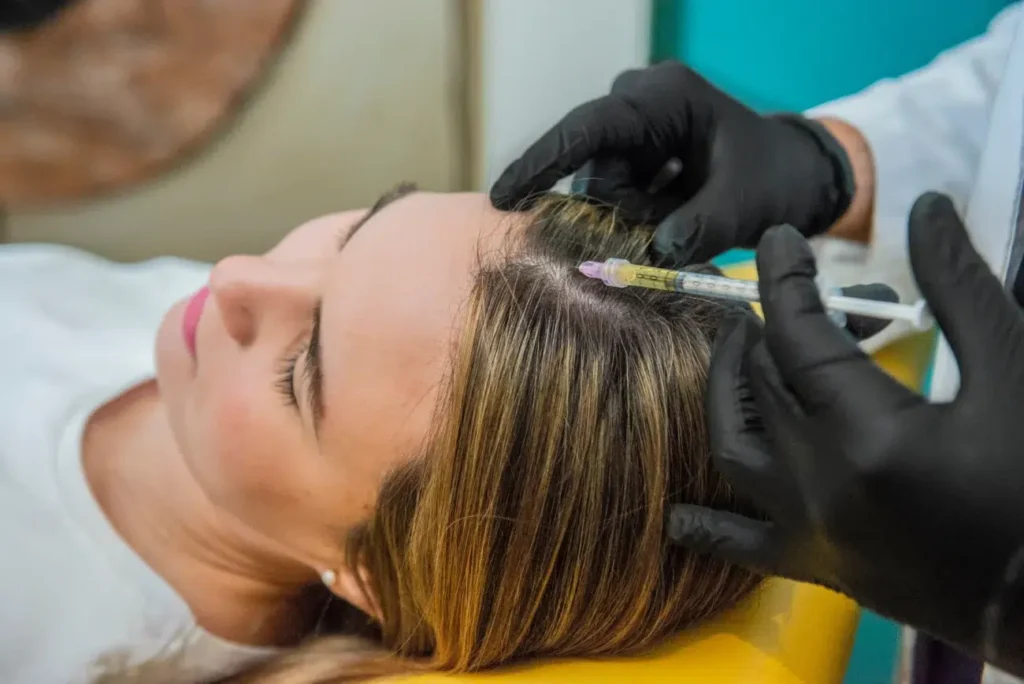
Scalp Micropigmentation (SMP) is a revolutionary, non-surgical solution for medical hair loss conditions such as alopecia areata, chemotherapy-induced hair loss, scarring alopecia, and other medical causes. Korea, with its global reputation for advanced medical aesthetics and high-quality SMP services, has become a top destination for international patients seeking effective SMP treatment.
However, with many SMP clinics in Korea, selecting the right one for your medical hair loss treatment requires careful consideration. Choosing the right clinic is crucial to achieving natural-looking results safely and restoring your confidence. This guide offers detailed insights to help you make an informed decision when selecting an SMP clinic in Korea.
1. Check Clinic Credentials and Certifications
- Medical License and Accreditation: Confirm that the clinic is licensed by Korean health authorities and holds certifications from relevant medical or aesthetic boards.
- SMP Specialist Qualifications: Look for clinics with trained dermatologists, licensed medical technicians, or certified SMP artists experienced in medical hair loss.
- Sterilization and Hygiene Standards: Clinics must adhere to strict sterilization protocols to ensure patient safety, especially critical for medical hair loss patients with sensitive scalps.
2. Review Clinic Experience with Medical Hair Loss Cases
- Choose clinics with proven experience specifically in medical hair loss conditions like alopecia areata, chemotherapy-induced alopecia, or scarring alopecia.
- Ask for before-and-after photos or case studies showing successful treatment of medical hair loss patients.
- Check if the clinic works closely with dermatologists or oncologists for comprehensive care.
3. Evaluate SMP Technology and Pigment Quality
- Use of Advanced Equipment: Clinics using state-of-the-art micro-needling devices and AI-assisted scalp mapping provide precise pigment placement and density control.
- Pigment Safety: Verify that the clinic uses hypoallergenic, organic pigments suitable for sensitive or damaged scalps often seen in medical hair loss patients.
- Longevity of Results: High-quality pigments ensure natural fading over 3–5 years, reducing the need for frequent touch-ups.
4. Personalized Consultation and Treatment Planning
- A reputable SMP clinic should offer a thorough initial consultation, including scalp assessment, medical history review, and patient expectations.
- Clinics in Korea often use digital imaging or 3D simulations to preview treatment results, helping patients visualize their future hairline and density.
- Treatment plans should be customized to accommodate fluctuating hair loss patterns and scalp sensitivities common in medical conditions.
5. Assess Communication and Multilingual Support
- Effective communication is essential, especially for international patients dealing with medical issues.
- Select clinics that provide multilingual services—English, Chinese, Japanese, Russian, and more—so you can fully understand the procedure, risks, and aftercare.
- Responsive customer support for scheduling, follow-ups, and addressing concerns adds to a positive treatment experience.
6. Consider Clinic Reviews and Patient Testimonials
- Read verified reviews on independent platforms and forums focusing on SMP for medical hair loss in Korea.
- Look for testimonials mentioning the clinic’s professionalism, artistic skill, and patient care, especially from medical hair loss patients.
- Seek recommendations from alopecia or cancer survivor support groups familiar with Korean SMP clinics.
7. Review Pricing Transparency and Package Inclusions
- Korean SMP clinics often offer all-inclusive medical tourism packages that may include consultation, treatment sessions, accommodation, and transportation.
- Ensure clear pricing without hidden fees, and compare packages to understand what services are included.
- Cheaper is not always better; prioritize quality and safety over cost when dealing with medical hair loss.
8. Verify Post-Treatment Care and Follow-Up Services
- SMP results require proper aftercare to maintain pigment longevity and scalp health, especially for sensitive medical hair loss patients.
- Choose clinics that provide detailed aftercare instructions and easy access to follow-up appointments.
- Some clinics offer remote consultation options for international patients post-treatment.
9. Location and Accessibility
- Consider clinics located in major Korean cities like Seoul, Busan, or Daegu, where you can find world-class medical facilities and easier access to other healthcare services.
- Accessibility to international airports, transportation, and patient-friendly environments can make your medical trip more comfortable.
Final Thoughts
Choosing the right SMP clinic for medical hair loss treatment in Korea is a critical step toward successful, safe, and satisfying results. Take the time to research and evaluate clinics based on their expertise, technology, patient care, and communication. Consulting multiple clinics for opinions can also help you find the best fit for your unique condition and goals.
Korea’s blend of medical excellence, cutting-edge SMP technology, and patient-centered care makes it an ideal destination to restore your hair appearance and confidence through SMP.


