
Treatment Overview
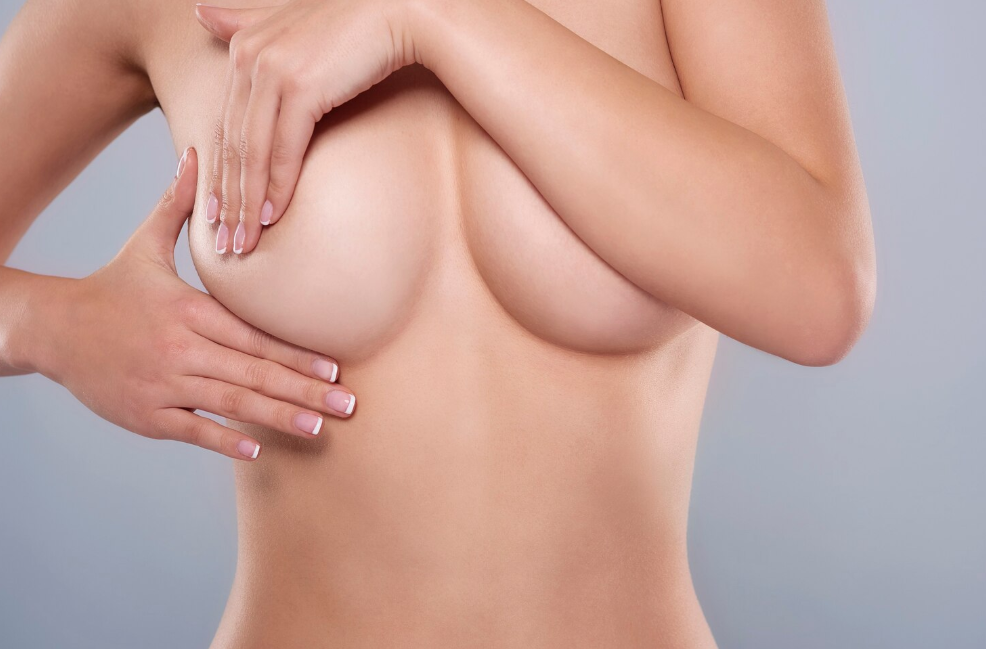
Hybrid Breast Augmentation in Korea is an advanced cosmetic procedure that combines silicone or saline implants with autologous fat grafting to achieve optimal breast volume, shape, and natural feel. This hybrid approach allows for precise contouring, correction of asymmetry, and a softer, more natural outcome compared to implants alone.
Korean plastic surgeons are globally recognized for their precision, minimally invasive techniques, and artistic approach, making Korea a top destination for hybrid breast augmentation.
Purpose & Benefits
The main purpose of hybrid breast augmentation is to enhance breast size and shape while ensuring a natural look and feel.
Key benefits include:
- Combines implants and fat grafting for a natural contour
- Corrects minor asymmetries and irregularities
- Provides soft, natural-feeling breasts compared to implant-only procedures
- Enhances upper-pole fullness and projection
- Can be tailored to body frame for optimal proportional results
- Minimally visible scarring with advanced Korean techniques
Ideal Candidates
Hybrid breast augmentation is suitable for individuals who:
- Desire natural-looking breast enlargement with implants
- Want to correct asymmetry, deformities, or previous augmentation imperfections
- Have sufficient donor fat for grafting
- Are in good health with realistic expectations
- Wish to achieve both volume and softness in breast aesthetics
Possible Risks & Complications
Although Korean clinics maintain high surgical standards, risks include:
- Temporary swelling, bruising, or tenderness
- Minor asymmetry between breasts
- Partial fat resorption, which may require a touch-up
- Implant-related risks such as displacement or capsular contracture
- Infection or delayed healing
- Rare complications related to anesthesia
Surgical Techniques Used
Korean surgeons use advanced techniques for precise, natural results:
- Implant Placement: Silicone or saline implants are placed submuscularly, subglandularly, or using a dual-plane approach.
- Autologous Fat Harvesting: Fat is collected from donor areas such as the abdomen, thighs, or flanks using minimally invasive liposuction.
- Fat Purification and Micro-Injection: Fat is processed and injected in small layers to optimize survival and natural contour.
- Combination with Breast Lift (Optional): Hybrid augmentation can be performed alongside a mastopexy to lift sagging breasts while restoring volume.
- Minimally Invasive Incisions: Strategic placement of incisions ensures minimal visible scarring.
Recovery & Aftercare
Recovery is carefully managed in Korean clinics to ensure safety and optimal outcomes:
- Light activities can typically resume within 3–5 days
- Swelling and bruising subside in 2–3 weeks
- Compression garments are worn for 4–6 weeks
- Avoid strenuous chest exercises for at least 4–6 weeks
- Follow-up visits monitor healing, implant position, fat survival, and symmetry
- Scar care and gentle massage may be advised for optimal contour
Results & Longevity
Results are visible immediately, with final breast shape appearing after 2–3 months once swelling resolves and fat grafts settle.
- Hybrid breast augmentation provides long-lasting and natural-looking results, combining the durability of implants with the softness of fat grafting.
- Korean surgeons emphasize natural contour, symmetry, and minimal scarring for enduring satisfaction.
- Touch-up fat grafting may be performed if minor resorption occurs.
Treatment Process in Korea
Korea is a leading destination for hybrid breast augmentation due to its expertise, technology, and patient-centered approach:
- Consultation & Planning: Surgeons evaluate breast size, shape, donor fat availability, and patient goals using advanced imaging.
- Customized Surgical Approach: Implant type, size, placement, and fat grafting volume are tailored to ensure optimal aesthetics.
- Advanced Surgical Methods: Micro-fat injections, precise pocket creation for implants, and meticulous contouring achieve natural results.
- Combination Procedures: Many patients undergo simultaneous breast lift to enhance shape, symmetry, and upper-pole fullness.
- Post-Operative Care: Structured follow-ups, scar management, and compression garments optimize healing and fat retention.
- Medical Tourism Support: English-speaking coordinators, recovery accommodations, and guided follow-up care for international patients.
- Focus on Natural Aesthetics: Surgeons prioritize soft, symmetric breasts with minimal visible scarring and proportional body harmony.
Cost Range
Hybrid breast augmentation in Korea is competitively priced, reflecting the combined implant and fat grafting procedure:
- Typical Price Range: ₩8,000,000 – ₩15,000,000 KRW
(Approx. $6,000 – $11,500 USD)
Factors Affecting Cost:
- Implant type and size
- Volume of fat harvested and injected
- Combination with breast lift
- Surgeon’s experience and clinic reputation
- Hospital or operating facility fees
Additional Costs:
- Pre-operative tests and imaging: ₩150,000 – ₩400,000 KRW ($115 – $300 USD)
- Compression garments: ₩150,000 – ₩300,000 KRW ($115 – $230 USD)
- Post-operative medications and follow-up care: ₩200,000 – ₩500,000 KRW ($150 – $380 USD)
Popular Clinics
Top Korean clinics for hybrid breast augmentation include:
- Banobagi Plastic Surgery Clinic – expert in combined implant and fat grafting for natural contour
- JK Plastic Surgery Center – internationally accredited, experienced in hybrid breast procedures
- View Plastic Surgery Hospital – advanced 3D planning and micro-fat grafting techniques
- ID Hospital Seoul – specialized in complex hybrid augmentation and breast lift combinations
- Regen Plastic Surgery – focuses on symmetry, softness, and minimal scarring for natural-looking results


