
Treatment Overview
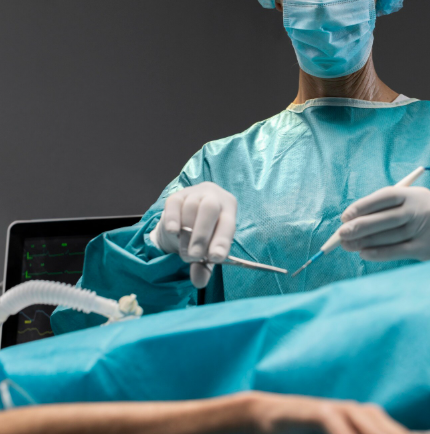
Hybrid Laparoscopic Pelvic Reconstruction Surgery is a cutting-edge pelvic floor reconstructive procedure that combines the benefits of laparoscopic (minimally invasive) and vaginal surgical approaches to repair and strengthen the pelvic organs and support structures affected by prolapse. This comprehensive method allows surgeons to precisely address uterine, vaginal, bladder, and rectal prolapse while minimizing tissue trauma and ensuring natural, aesthetic, and long-lasting results.
In Korea, this advanced surgery falls under Women’s Health / OBGYN – Surgical Gynecology and represents one of the most technologically sophisticated and patient-centered approaches to pelvic organ repair. Korean hospitals are renowned for their precision-based hybrid techniques, integrating 4K/3D laparoscopic imaging, robotic-assisted tools, AI-guided pelvic mapping, and micro-suturing technology, achieving superior anatomic correction with minimal scarring and faster recovery.
Purpose & Benefits
- Corrects uterine, vaginal, bladder, and rectal prolapse through a single, minimally invasive procedure.
- Reconstructs weakened pelvic floor muscles, fascia, and ligaments for long-term stability.
- Relieves symptoms like vaginal bulging, pelvic pressure, urinary incontinence, and constipation.
- Combines laparoscopic precision with vaginal accessibility, ensuring optimal visualization and control.
- Minimally invasive – smaller incisions, minimal bleeding, and faster healing.
- Preserves the uterus (uterus-sparing option) and maintains fertility.
- Improves sexual function, vaginal tone, and overall pelvic health.
- Provides natural, mesh-free, and long-lasting results with low recurrence rates.
Ideal Candidates
- Women with multi-compartment pelvic organ prolapse (uterine, vaginal, bladder, or rectal).
- Patients seeking a uterus-preserving and minimally invasive reconstruction.
- Women with pelvic weakness or prolapse recurrence after prior surgeries.
- Patients with urinary or bowel dysfunction due to pelvic support failure.
- Those desiring aesthetic-functional reconstruction and minimal downtime.
- Women who prefer a comprehensive, single-stage pelvic repair performed by experts.
Possible Risks & Complications
Hybrid Laparoscopic Pelvic Reconstruction is a highly safe procedure, especially in Korea’s top-tier hospitals where advanced imaging and precision techniques are standard. However, minor and temporary effects may include:
- Mild abdominal or vaginal discomfort.
- Temporary urinary retention or constipation.
- Light vaginal spotting or discharge.
- Rare infection or inflammation (preventable with antibiotics).
- Minimal recurrence risk when proper postoperative guidelines are followed.
Korean hospitals reduce risks through AI-guided surgical navigation, robotic precision, and advanced 3D imaging, ensuring accurate reconstruction and safety throughout the procedure.
Surgical Techniques Used
Korean OBGYN specialists are pioneers in hybrid pelvic reconstructive techniques, combining laparoscopic control (for internal organ repositioning) with vaginal reconstruction (for tissue tightening and fascia repair).
- Hybrid Laparoscopic-Vaginal Pelvic Reconstruction: Integrates both internal and external approaches for complete prolapse correction.
- Laparoscopic Sacrohysteropexy or Sacrocolpopexy: Uterus or vaginal apex attached to the sacrum with sutures or graft for durable support.
- Anterior and Posterior Vaginal Wall Reconstruction: Tightens and restores bladder (cystocele) and rectal (rectocele) walls.
- Uterosacral or Sacrospinous Ligament Fixation: Provides strong apical (top) vaginal support.
- Perineorrhaphy (Perineal Repair): Reconstructs and tightens the perineum for added support.
- Mesh-Free or Biologic Graft Reinforcement: Uses natural or biocompatible tissue for safe and durable support.
- Laser-Assisted Collagen Reinforcement: Stimulates tissue regeneration for additional strength and healing.
- Robotic-Assisted Hybrid Approach: Enhances precision and visualization for complex reconstructions.
Korean hospitals use 4K/3D laparoscopic visualization, AI-powered pelvic floor mapping, and micro-suturing instruments to achieve symmetry, balance, and anatomical accuracy.
Recovery & Aftercare
- Hospital stay: 1–2 days; same-day discharge possible in minimally invasive cases.
- Recovery time: Light activities can be resumed within 1–2 weeks, full recovery in 4–6 weeks.
- Mild swelling or discomfort may occur for a few days.
- Avoid sexual intercourse, heavy lifting, and strenuous activity for 4–6 weeks.
- Walking is encouraged to promote healing and circulation.
- Follow-up visits: At 2 and 6 weeks post-surgery.
- Pelvic floor physiotherapy (Kegel exercises) recommended for long-term stability.
Results & Longevity
- Immediate improvement in pelvic organ alignment and support.
- Restored pelvic function, vaginal tone, and natural appearance.
- Enhanced sexual comfort, urinary control, and bowel function.
- Virtually scarless results due to the minimally invasive approach.
- Long-term success rates of over 95% in Korea’s leading hospitals.
- Durable outcomes that can last 10–15 years or more with proper maintenance.
Treatment Process in Korea
South Korea is globally recognized for its excellence in advanced pelvic reconstructive and minimally invasive gynecology, combining innovation, precision, and world-class patient care.
Most advanced and popular surgical techniques performed in Korea:
- Hybrid laparoscopic-vaginal pelvic reconstruction (mesh-free).
- Laparoscopic and robotic sacrohysteropexy or sacrocolpopexy.
- AI-guided 3D pelvic reconstruction planning.
- Laser-assisted collagen tightening and rejuvenation.
- One-day surgical systems designed for fast, convenient recovery.
Unique Korean methods or technology:
- Uterus-preserving and fertility-friendly reconstruction techniques.
- Pain-free anesthesia and enhanced recovery programs.
- Aesthetic-functional pelvic and vaginal restoration.
- AI-assisted imaging and robotic navigation for precision.
- Comprehensive rehabilitation and physiotherapy protocols.
Why Korea is a top destination for this surgery:
- Globally certified and fellowship-trained pelvic reconstructive surgeons.
- Hospitals equipped with Da Vinci robotic systems and 4K/3D laparoscopic imaging platforms.
- Focus on safety, natural results, and long-term success.
- Transparent, affordable medical packages with premium care.
- Comprehensive medical tourism infrastructure including interpreters and recovery support.
Cost Range
The cost of Hybrid Laparoscopic Pelvic Reconstruction Surgery in Korea depends on the hospital, surgical complexity, and use of robotic assistance:
- Typical Range: USD 4,500 – 9,000
- Standard Hybrid Reconstruction: USD 4,500 – 7,000
- Robotic-Assisted Hybrid Surgery: USD 6,000 – 9,000
- Mesh-Free or Biologic Graft Techniques: USD 5,000 – 8,000
- Comprehensive Surgical Package (Anesthesia, Hospital Stay, Follow-Up): USD 5,000 – 8,500
Most Korean hospitals offer all-inclusive transparent pricing, covering preoperative evaluation, imaging, anesthesia, surgery, hospital stay, and postoperative follow-ups. Medical tourism packages include interpretation, travel support, and recovery assistance.
Popular Clinics with Advanced Hybrid Laparoscopic Pelvic Reconstruction Surgery in Korea
- Seoul Miz Hospital – Leader in minimally invasive and hybrid laparoscopic pelvic floor reconstruction.
- MizMedi Hospital (Seoul) – Expert in robotic and hybrid mesh-free pelvic repair techniques.
- Yoonho OB/GYN Hospital (Gangnam) – Specialized in aesthetic-functional pelvic reconstruction and vaginal rejuvenation.
- Gangnam Women’s Hospital – Focuses on natural-tissue pelvic repair with rapid recovery systems.
- Asan Medical Center (Seoul) – Korea’s top tertiary hospital for complex robotic and hybrid pelvic surgeries.
- Samsung Medical Center (Seoul) – Global pioneer in advanced hybrid and minimally invasive gynecologic surgery.
- Kyung Hee University Hospital at Gangdong – Academic center leading in laparoscopic-vaginal reconstructive innovations.


