
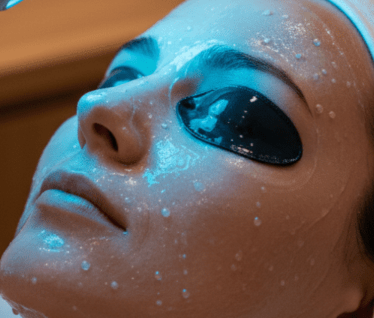
Treatment Overview
The Hydration Facial with Blue Light Therapy is a soothing and restorative acne care treatment offered in Korean dermatology clinics. It combines hydration-focused facials—using serums rich in hyaluronic acid, niacinamide, centella asiatica, or barrier-strengthening ingredients—with Blue Light LED Therapy (415 nm) to combat acne-causing bacteria and calm inflammation.
This approach is especially popular in Korea for patients with dehydrated yet acne-prone skin, where aggressive treatments may worsen sensitivity. The treatment provides bacterial control and deep hydration simultaneously, improving acne while protecting the skin barrier.
Purpose & Benefits
- Bacterial Control: Blue light kills Cutibacterium acnes.
- Inflammation Reduction: Calms redness and swelling in pimples.
- Barrier Repair: Hydration facial strengthens the skin against irritation.
- Moisture Balance: Restores hydration while regulating excess oil.
- Post-Treatment Recovery: Speeds healing after peels, lasers, or extractions.
Ideal Candidates
Hydration Facial with Blue Light Therapy in Korea is recommended for:
- Patients with mild to moderate acne and dehydrated skin.
- Individuals experiencing post-acne redness or sensitivity.
- Those prone to breakouts but who cannot tolerate harsh treatments.
- Patients combining acne care with skin barrier strengthening.
Possible Risks & Complications
This treatment is very safe, but mild effects may include:
- Temporary Redness: From LED exposure, fades within hours.
- Mild Tightness or Tingling: After hydration serums, usually subsides quickly.
- Rare Risks: Allergic reaction to infused serums (minimized with tailored Korean formulations).
Surgical Techniques Used
- Hydration Facial: Deep infusion of hydrating serums via massage, iontophoresis, or oxygen jet.
- Blue Light LED (415 nm): Targets acne bacteria and calms inflammation.
- Protocol: Typically performed weekly or bi-weekly, in 4–6 session courses.
Recovery & Aftercare
Immediately: Skin feels plump, refreshed, and calm.
1–2 Days: Acne lesions appear less inflamed, redness decreases.
1 Week: Skin looks clearer, more hydrated, and less oily.
Aftercare Tips:
- Continue daily use of moisturizer and sunscreen (SPF 50+).
- Avoid harsh acids or retinoids for 2–3 days after treatment.
- Maintain good hydration (internal and external) to prolong effects.
- Combine with acne skincare for long-term benefits.
Results & Longevity
- After 1 Session: Calmer, more hydrated skin with reduced redness.
- After 2–3 Sessions: Noticeable reduction in acne flare-ups and improved skin resilience.
- After 4–6 Sessions: Long-term acne control with stronger, healthier skin barrier.
Maintenance treatments every 1–2 months are recommended.
Treatment Process in Korea
Consultation & Skin Analysis
Dermatologist evaluates hydration level, acne severity, and skin sensitivity.
Preparation
Gentle cleansing; sometimes light exfoliation to aid serum penetration.
Hydration Facial + Blue Light Session
- Step 1: Application and infusion of hydrating serums.
- Step 2: Blue LED light applied for 10–20 minutes to kill acne bacteria.
- Step 3: Cooling or soothing mask applied.
Duration: 40–50 minutes.
Post-Treatment Care
Barrier cream and sunscreen applied.
Patients return to normal activities immediately.
Follow-Up
4–6 treatments suggested for cumulative benefits.
Unique Korean Advantages
- Customized Hydration Formulas: Clinics tailor serum blends for acne-prone but sensitive skin.
- Barrier-Friendly Protocols: Designed to avoid over-drying common in acne care.
- Multi-Step Programs: Often combined with Aqua Peel, vitamin iontophoresis, or oxygen therapy.
- Cost-Effective Packages: Widely available across dermatology and premium K-beauty clinics.
Cost Range (Estimated)
- Single Session (Hydration Facial + Blue Light): USD 80 – 150
- Combination Package (Facial + Blue Light + Extraction): USD 150 – 250
- Premium Package (Facial + Blue Light + Whitening Drip/LED Red Light): USD 250 – 400
Example Korean Packages:
- Standard Program (3 sessions): USD 250–400
- Acne + Hydration Program (Facial + Blue Light + Extraction): USD 500–700
- Premium Package (Facial + Blue Light + Whitening Drip): USD 800–1,200
Popular Clinics in Seoul
- Oracle Dermatology: Hydration facials combined with LED for acne-prone skin.
- Banobagi Dermatology: Moisture-focused acne facials with Blue Light.
- Renewme Skin Clinic: Hydration + Blue Light programs for sensitive acne.
- View Dermatology: Multi-step acne care with hydration facial + Blue LED.
- Chaum Anti-Aging Center: Premium hydration + Blue Light packages with regenerative boosters.


