
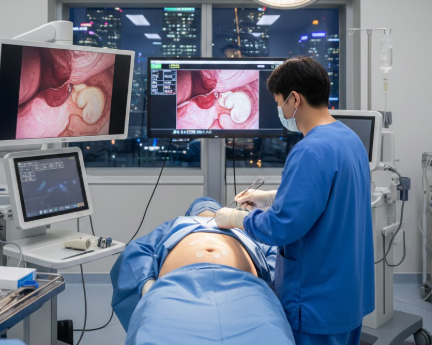
Treatment Overview
Hydronephrosis is a condition characterized by swelling of one or both kidneys due to a buildup of urine caused by obstruction or urinary reflux. If left untreated, it can lead to kidney damage, infections, or impaired renal function. In Korea, hospitals provide advanced diagnostic evaluations and minimally invasive treatments, including endoscopic procedures, stent placement, and surgical interventions, to relieve obstruction, restore normal urine flow, and preserve kidney function.
Purpose & Benefits
The main purposes of hydronephrosis treatment are to:
- Relieve obstruction in the urinary tract
- Prevent permanent kidney damage
- Alleviate associated pain and urinary symptoms
- Treat or prevent urinary tract infections
Benefits of undergoing treatment in Korea include:
- Advanced diagnostic tools for precise evaluation
- Minimally invasive procedures and rapid recovery
- High success rates with low complication risks
- Access to experienced urologists and multidisciplinary care
- Comprehensive support for international patients
Ideal Candidates
Hydronephrosis treatment is suitable for patients who:
- Have kidney swelling caused by urinary obstruction
- Experience pain, frequent urination, or recurrent infections
- Are diagnosed with hydronephrosis secondary to kidney stones, strictures, tumors, or congenital anomalies
- Require urgent intervention to preserve kidney function
- Are seeking advanced treatment abroad
Treatment can be applied to both adults and pediatric patients depending on the cause and severity.
Possible Risks & Complications
Although generally safe, hydronephrosis treatment may carry some risks:
- Temporary hematuria (blood in urine)
- Urinary tract infection
- Rare injury to the ureter or kidney during procedures
- Incomplete relief of obstruction requiring further intervention
- Temporary discomfort or urinary urgency after treatment
Korean hospitals maintain strict safety protocols and employ skilled urologists to minimize complications.
Techniques & Technology Used
Korea uses advanced technologies for effective hydronephrosis management:
- Endoscopic procedures such as ureteroscopy for obstruction relief
- Percutaneous nephrostomy for immediate urine drainage in severe cases
- Ureteral stent placement to maintain urine flow
- Minimally invasive surgical interventions for congenital or complex obstructions
- High-definition imaging including CT scans, ultrasound, and fluoroscopy for accurate diagnosis
- Antibiotic therapy if infection is present
These methods ensure precise treatment while minimizing discomfort and recovery time.
Treatment Process in Korea
The typical treatment process includes:
- Diagnostic evaluation: Imaging tests and laboratory studies to assess the cause and severity of hydronephrosis.
- Initial stabilization: Drainage via stent or nephrostomy if required.
- Definitive treatment: Endoscopic or minimally invasive surgical procedure to remove obstruction.
- Monitoring: Assessment of kidney function and urine flow post-treatment.
- Follow-up care: Ensures resolution of hydronephrosis and prevention of recurrence.
International patients benefit from coordinated medical tourism services, including translation, accommodation, and aftercare.
Recovery & After-Care
Recovery following hydronephrosis treatment in Korea is generally smooth:
- Hospital stay: 1–4 days depending on procedure complexity
- Pain and discomfort are managed with oral medications
- Normal activities can often resume within a few days
- Hydration and regular follow-up imaging are important
- Stent or nephrostomy tube removal is scheduled as appropriate
Korean hospitals provide clear post-treatment guidance for international patients.
Results & Longevity
Treatment in Korea offers high success rates in relieving obstruction and preserving kidney function. Long-term outcomes are excellent when combined with preventive measures, including hydration, dietary modifications, and regular kidney function monitoring to reduce recurrence.
Why Korea Is a Top Destination
Korea is a preferred destination for hydronephrosis treatment due to:
- Advanced minimally invasive and endoscopic techniques
- Highly skilled urologists and surgical teams
- State-of-the-art hospitals with comprehensive diagnostic and treatment capabilities
- High success rates with minimal recovery time
- Cost-effective treatment compared to Western countries
- Full support for international patients including translation, accommodation, and follow-up care
Cost Range
The cost of hydronephrosis treatment in Korea typically ranges from $2,500 to $6,000 USD, depending on:
- Procedure type (stent placement, endoscopic surgery, nephrostomy)
- Severity and complexity of obstruction
- Hospital and surgeon reputation
- Length of hospital stay and supportive care required
This is competitive internationally while ensuring high-quality care.
Popular Clinics in Korea
Top hospitals for hydronephrosis treatment for international patients include:
- Seoul National University Hospital – advanced urology department with high success rates
- Asan Medical Center – specialized in minimally invasive obstruction relief
- Samsung Medical Center – state-of-the-art imaging and endoscopic technology
- Yonsei Severance Hospital – expertise in complex hydronephrosis and congenital anomalies
- CMC Bundang Hospital – comprehensive care and medical tourism support
These hospitals provide full services including translation, accommodation, and post-treatment follow-up for international patients.


