
Treatment Overview
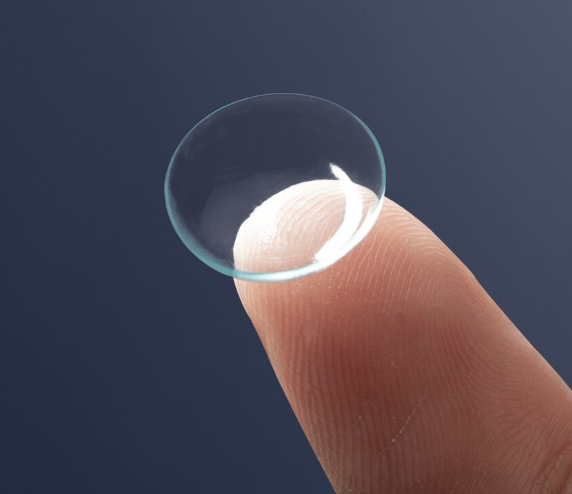
Hydrophobic Acrylic Toric (IOL) Implantation in Korea is an advanced premium cataract and refractive surgery procedure that corrects astigmatism while restoring clear, stable vision after cataract removal. The hydrophobic acrylic toric lens combines the optical clarity and durability of hydrophobic material with precise astigmatic correction, ensuring sharp visual outcomes and long-term lens stability.
Korean ophthalmology centers lead globally in AI-guided biometry, femtosecond laser-assisted cataract surgery (FLACS), and digital axis-tracking systems, achieving sub-degree alignment accuracy for toric IOLs. The result is crystal-clear distance vision, enhanced contrast, and reduced dependence on glasses—all with excellent long-term performance and patient comfort.
Purpose & Benefits
Purpose
- Replace the natural or cataractous lens with a hydrophobic acrylic toric intraocular lens for precise correction of astigmatism and cataracts.
- Improve distance vision and image clarity by aligning the IOL perfectly with the corneal astigmatic axis.
- Provide stable, high-contrast visual outcomes that remain consistent over decades.
- Minimize optical aberrations and light scatter through superior lens material and design.
Benefits
- Astigmatism Correction: Toric optics precisely correct corneal irregularities.
- Superior Optical Clarity: Hydrophobic acrylic material offers long-term transparency and high contrast.
- Stable Lens Alignment: Anti-rotation haptics and digital tracking ensure long-term axis stability.
- Reduced Glare and Halos: Advanced optical surface minimizes visual disturbances.
- High Durability: Hydrophobic design prevents glistening and surface degradation.
- Fast Visual Recovery: Laser-assisted techniques enable smooth surgery and rapid healing.
Ideal Candidates
Hydrophobic Acrylic Toric IOL Implantation in Korea is ideal for:
- Cataract patients with corneal astigmatism (≥0.75 diopters) seeking optimal visual outcomes.
- Individuals desiring sharp, glasses-free distance vision.
- Refractive Lens Exchange (RLE) patients with mild to moderate astigmatism.
- Adults with healthy corneas, clear retina, and stable ocular structure.
- Those seeking a durable, premium lens solution with minimal maintenance and long-term clarity.
Possible Risks & Complications
The procedure is extremely safe and precise, but minor temporary effects may occur:
- Mild glare or halos: Typically improve with neural adaptation.
- Dry eyes or temporary irritation: Easily managed with prescribed eye drops.
- Slight visual fluctuation: Common during the first few days after surgery.
- Residual refractive error: Rare and can be corrected with fine-tuning if necessary.
- Posterior Capsular Opacification (PCO): May develop over time and is easily treated with a YAG laser procedure.
Korean surgeons use AI-calibrated biometry, digital axis alignment verification, and OCT-guided imaging to minimize these risks and ensure consistent, long-term visual success.
Surgical Techniques
- AI-Guided Ocular Biometry:
Determines IOL power and toric axis using detailed corneal and axial measurements for precision alignment. - Femtosecond Laser-Assisted Cataract Surgery (FLACS):
Provides bladeless corneal incisions, precise capsulotomy, and lens fragmentation for accurate IOL placement. - Digital Axis Tracking Systems:
Monitors and aligns the toric IOL with the corneal astigmatism axis during surgery. - Micro-Incision Phacoemulsification:
Removes the cataract through a small incision (~2.0 mm), minimizing corneal stress and speeding recovery. - OCT-Guided Intraoperative Imaging:
Confirms exact toric lens alignment and centration in real time. - Wavefront-Controlled Aberration Optimization:
Reduces higher-order aberrations to enhance contrast and image quality.
Treatment Process in Korea
Step-by-Step Workflow
Step 1 – Comprehensive Eye Evaluation:
Includes corneal topography, axial length, and macular OCT to identify astigmatic axis and determine the optimal toric IOL power.
Step 2 – Surgical Planning:
AI-based planning customizes IOL power and alignment for the best refractive outcome.
Step 3 – Cataract Extraction or Lens Removal:
Performed using femtosecond laser-assisted or micro-incision phacoemulsification for precision and minimal trauma.
Step 4 – IOL Implantation & Alignment:
The hydrophobic acrylic toric IOL is inserted and rotated to the precise axis using digital overlay tracking.
Step 5 – Postoperative Monitoring:
Follow-up appointments confirm lens alignment stability and clear, sharp vision.
Treatment Duration: 15–25 minutes per eye
Setting: Outpatient (same-day discharge)
Recovery & After-Care
After-Care Guidelines
- Use antibiotic and anti-inflammatory eye drops for 2–4 weeks.
- Avoid eye rubbing, swimming, or strenuous activities for one week.
- Wear UV-protective sunglasses outdoors.
- Use artificial tears for dryness or irritation.
- Attend follow-up visits at Day 1, Week 1, and Month 1 to verify stability and vision clarity.
Recovery Timeline
- Days 1–3: Clearer, brighter vision with minor sensitivity possible.
- Week 1: Distance vision stabilizes and astigmatism correction becomes noticeable.
- Weeks 2–4: Full visual clarity achieved; night vision and contrast improve.
- 1–3 Months: Complete stabilization and long-term alignment confirmed.
Results & Longevity
Expected Results
- Precise astigmatism correction with clear distance vision.
- Enhanced visual contrast and sharpness in various lighting conditions.
- Minimal dependence on glasses or contact lenses.
- Stable vision for daily tasks such as driving, sports, and outdoor activities.
Longevity
- The Hydrophobic Acrylic Toric IOL is a permanent implant designed for decades of stable optical performance.
- Hydrophobic material resists lens glistening and maintains optical clarity for life.
- Korean clinical data report over 97% long-term satisfaction and minimal rotational deviation after surgery.
Why Korea Is a Top Destination
- AI-Enhanced Precision: Korean clinics employ advanced AI-based planning for toric IOL alignment.
- Femtosecond Laser Expertise: Bladeless accuracy ensures consistent surgical outcomes.
- Premium Lens Materials: Hydrophobic acrylic ensures superior optical quality and biocompatibility.
- World-Class Surgeons: Korean ophthalmologists specialize in toric and premium lens implantation.
- Integrated Care System: Full-spectrum eye diagnostics, surgery, and after-care in one facility.
- Exceptional Visual Results: High success rates and rapid patient adaptation.
Unique Korean Innovations
- AI-calibrated toric power and axis customization for each eye.
- Femtosecond + OCT hybrid imaging for sub-degree alignment accuracy.
- Wavefront-guided optical refinement for improved depth and focus.
- Rotational stability prediction models using AI-based torque analysis.
- Integration of hydrophobic toric + EDoF hybrid systems for extended vision range.
These innovations make Hydrophobic Acrylic Toric IOL Implantation in Korea one of the most advanced and accurate treatments for astigmatism correction and cataract surgery, providing permanent, spectacle-free visual clarity.
Cost Range (Indicative Estimate)
| Treatment Package | Price (KRW) | Approx. USD | Inclusions |
|---|---|---|---|
| Standard Toric IOL Surgery | ₩6,000,000 – ₩8,000,000 | ~$4,300 – $5,800 | Hydrophobic toric IOL implantation with AI-guided planning and standard postoperative care |
| Femtosecond-Assisted Premium Vision Package | ₩8,500,000 – ₩10,000,000 | ~$6,100 – $7,200 | Laser-assisted cataract extraction, toric alignment, and digital centration tracking |
| Luxury Hybrid Vision Program (Hydrophobic Toric + EDoF) | ₩10,500,000 – ₩12,000,000+ | ~$7,500 – $8,600+ | AI-calibrated hybrid toric design, OCT verification, and extended postoperative follow-up |
Final cost may vary based on IOL type, technology platform, and clinic location.
Popular Clinics in Korea
- B&VIIT Eye Center (Seoul): Experts in hydrophobic toric and EDoF hybrid lens implantation with AI-guided precision.
- Dream Eye Center (Seoul): Leaders in femtosecond-assisted toric cataract and refractive lens surgery.
- BGN Eye Clinic (Busan & Seoul): Specialists in toric-EDoF combination systems and digital centration optimization.
- Glory Seoul Eye Clinic: Focuses on wavefront-optimized toric correction and rotational stability tracking.
- K-Cure Vision Center (Gangnam): Known for AI-calibrated toric lens design and neurovisual adaptation programs.


